Top Benefits of Recycled Polyester Fabric for Global Buyers?
In recent years, the demand for Recycled Polyester Fabric has surged across industries. This surge is partly due to growing environmental concerns and the need for sustainable materials. According to a report by The Textile Exchange, the market for recycled polyester is projected to reach 8.9 million tons by 2025. Industry expert Dr. Sarah Thompson emphasizes, “Recycled polyester serves not just fashion, but the planet.” This statement resonates as brands strive to meet both consumer expectations and sustainability goals.
However, while the benefits of Recycled Polyester Fabric are significant, the transition is not without challenges. Many companies face sourcing issues and quality control in their supply chains. Ensuring that recycled materials maintain durability and performance can be a daunting task. Furthermore, there must be continuous innovation to enhance the recycling process itself.
The textile industry must balance increased demand with responsible production. The journey towards fully embracing Recycled Polyester Fabric can help mitigate waste and reduce the carbon footprint. Yet, it requires commitment, investment, and awareness from all stakeholders involved. There is much to learn as we navigate the complexities of this sustainable fabric.

Understanding Recycled Polyester Fabric: A Sustainable Choice
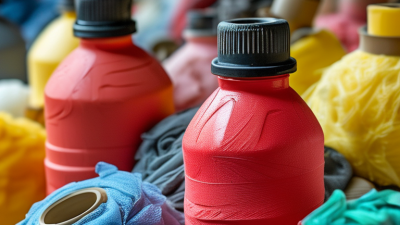
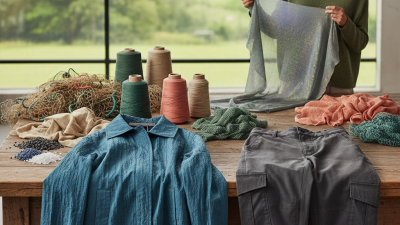
Recycled polyester fabric has emerged as a frontrunner in sustainable textiles. This fabric is made from recycled plastic bottles and other polyester waste. It transforms waste into a valuable resource, reducing the demand for virgin polyester. According to the World Economic Forum, the global production of polyester is expected to reach 1.9 million tons by 2030. This highlights the significance of recycling to lessen environmental impact.
The environmental benefits are substantial. Using recycled polyester can significantly cut greenhouse gas emissions by up to 76% compared to virgin polyester. Recycling also conserves water and energy. For instance, the production of recycled polyester consumes up to 50% less energy. Furthermore, the Textile Exchange reported that, in 2021, 23% of global polyester production was recycled. This shows a growing awareness of sustainable practices in the industry.
However, challenges remain. The purity of recycled materials can vary. This variability may affect fabric quality and durability. Not all consumers are aware of the benefits. There is still a pressing need for education on sustainability in textiles. Continued improvement in recycling technologies and processes is critical to meeting global demands while ensuring ecological preservation.
Key Environmental Benefits of Using Recycled Polyester
Recycled polyester fabric is gaining popularity among global buyers. This material is made from discarded plastic bottles and other recycled materials. Using such fibers has significant environmental benefits. It reduces the need for virgin polyester, which is derived from petroleum.
One of the main environmental advantages is the decrease in plastic waste. Millions of tons of plastic end up in landfills every year. By converting this waste into fabric, we help lessen the burden on our planet. Additionally, producing recycled polyester uses less energy compared to virgin polyester. This process typically emits fewer greenhouse gases, which is crucial for combatting climate change.
Another important aspect is water conservation. The recycling process requires less water than producing new polyester. This is vital in a world facing water scarcity. However, the overall recycling process can still emit microplastics, which raise concerns. Buyers must weigh these factors carefully. While recycled polyester is a step in the right direction, it is essential to continue exploring alternatives and improvements in the recycling industry.
Top Benefits of Recycled Polyester Fabric for Global Buyers
| Benefit |
Description |
Environmental Impact |
| Reduced Waste |
Utilizing recycled polyester prevents plastic waste from ending up in landfills and oceans. |
Reduces landfill overflow and pollution in oceans. |
| Lower Carbon Footprint |
Production of recycled polyester consumes less energy compared to virgin polyester. |
Decreases greenhouse gas emissions. |
| Water Conservation |
Recycled polyester production requires significantly less water than traditional polyester. |
Helps to preserve freshwater resources. |
| Energy Efficiency |
It takes less energy to recycle polyester than to create it from raw materials. |
Reduces fossil fuel consumption. |
| Durability |
Recycled polyester offers high durability, maintaining quality similar to virgin materials. |
Encourages product longevity and reduces waste over time. |
Economic Advantages for Global Buyers of Recycled Polyester
Recycled polyester fabric presents notable economic benefits for global buyers. Utilizing this material can significantly reduce production costs. It is often cheaper than producing virgin polyester. This is primarily because recycled polyester uses less energy and fewer resources in its manufacturing process. Cost savings can be passed down to consumers, making sustainable options more accessible.
In addition to cost savings, there are potential tax incentives for companies using recycled materials. Many governments encourage sustainable practices through subsidies or tax breaks. This can further enhance profitability for businesses that choose recycled polyester. The growing demand for eco-friendly products also opens up new market opportunities. Companies can attract environmentally conscious consumers while remaining competitive in price.
However, the transition to recycled polyester is not without challenges. Sourcing high-quality recycled materials can be difficult. Some businesses may struggle with consistency in fabric quality. There can be a learning curve in adjusting to new manufacturing processes. Companies must invest time and resources into understanding the full lifecycle of recycled polyester. Despite these hurdles, the long-term economic advantages make it a worthwhile endeavor for global buyers.
Quality and Performance: How Recycled Polyester Stands Out
Recycled polyester fabric is gaining recognition for its quality and performance among global buyers. Unlike conventional polyester, recycled polyester is produced from post-consumer plastic waste, notably PET bottles. This process not only reduces landfill waste but also conserves resources. According to the Textile Exchange, using recycled polyester can save up to 70% in energy use compared to virgin polyester production.
In terms of performance, recycled polyester exhibits comparable durability and resilience. Studies indicate that it resists wrinkling and shrinking well. Moreover, recycled polyester offers moisture-wicking properties, making it suitable for activewear. Research by the Global Sustainability Textile Coalition shows that materials like recycled polyester can lower carbon emissions by up to 32% in the manufacturing process.
While the benefits are significant, challenges remain. Not all recycled polyester is created equal, and quality can vary between manufacturers. Additionally, the market faces misconceptions about the performance of recycled materials. Buyers must be diligent and seek certified products to ensure consistent quality. This careful selection process can influence their overall sustainability goals while meeting customer expectations for high-quality textiles.
Future Trends in Recycled Polyester Production and Usage
The production of recycled polyester is evolving rapidly. Innovations in technology are paving the way for more efficient recycling processes. Researchers are exploring new methods to extract fibers from plastic waste. These advancements could increase the supply of high-quality recycled materials, making them more accessible.
Sustainability remains a key driver for future trends. Global buyers are increasingly focusing on eco-friendly fabrics. The demand for recycled polyester is expected to rise as brands prioritize sustainability. However, challenges exist in terms of quality control and consistency across batches. Ensuring the fibers meet specific standards is crucial for widespread adoption.
Consumer awareness is on the rise as well. Shoppers want transparency in production processes and materials used. The market will need to address concerns regarding microplastics and pollution. Future initiatives may involve better education on the benefits and efficacy of recycled materials. These discussions are vital for fostering trust and promoting responsible consumption.