What is Rpet Fabric and Why is it Popular for Sustainable Fashion?
Rpet Fabric is emerging as a game changer in the world of sustainable fashion. Made from recycled PET plastic, this innovative material transforms waste into stylish textiles. The fashion industry faces criticism for its environmental impact, making Rpet Fabric an attractive option for brands aiming to reduce their carbon footprint.
As consumers become more eco-conscious, Rpet Fabric is gaining traction. This material captures attention with its versatility and durability. It allows designers to create a wide range of products, from clothing to accessories. However, it is essential to examine the entire lifecycle of Rpet Fabric. Are we truly addressing the waste problem, or just shifting it?
While Rpet Fabric holds promise, challenges remain. Not every brand that uses this fabric fully commits to sustainability principles. Transparency is crucial. Consumers need clear information about production processes. By fostering awareness, we can ensure that Rpet Fabric truly contributes to a greener future in the fashion industry.

What is Rpet Fabric and Its Composition in Sustainable Fashion
Rpet fabric is made from recycled PET plastic bottles. It has gained popularity due to its sustainable qualities. Many fashion brands focus on eco-conscious solutions. The textile industry significantly contributes to pollution, and Rpet offers an alternative. It reduces waste and utilizes resources like plastic that would otherwise end up in landfills.
The composition of Rpet fabric is intriguing. It starts with an extensive recycling process. PET bottles are cleaned and shredded, before being processed into fibers. The resulting material retains many qualities of virgin polyester. It is durable and can be dyed and woven with ease. This versatility makes Rpet suitable for various fashion applications.
However, the process isn't without challenges. Recycling technology is still evolving. Some critics point out that the chemical processes involved can be harmful. Not all Rpet products are created equal. Consumers must remain informed and choose wisely. Sustainable fashion is a journey, not a destination. All stakeholders should consider their impact on the environment.
The Environmental Impact of Traditional Fabrics vs. Rpet
Traditional fabrics have significant environmental impacts. For example, conventional cotton requires about 7,000 liters of water to produce just one kilogram. This statistic highlights the strain that traditional fabrics place on our water resources. Additionally, the use of pesticides in cotton farming can harm ecosystems and affect human health. These practices contribute to soil degradation and biodiversity loss.
In contrast, rPET (recycled polyethylene terephthalate) is derived from recycled plastic bottles. Using rPET for fabric production can reduce energy consumption by up to 60% compared to virgin polyester. According to the Ellen MacArthur Foundation, switching to recycled polyester could save over 1.7 million tons of CO2 emissions annually. This shift reflects a growing awareness of sustainable alternatives in the fashion industry.
While rPET presents a more sustainable option, it’s not without flaws. Recycling processes are energy intensive and can cause microplastic pollution. The reliance on collected plastics can also lead to inconsistencies in material quality. Understanding these complexities is essential for consumers and manufacturers alike. Sustainable fashion requires ongoing reflection and innovation to truly lessen its environmental footprint.
Environmental Impact of Traditional Fabrics vs. RPET
Market Trends: Growth of Rpet Fabric in Sustainable Fashion Industry
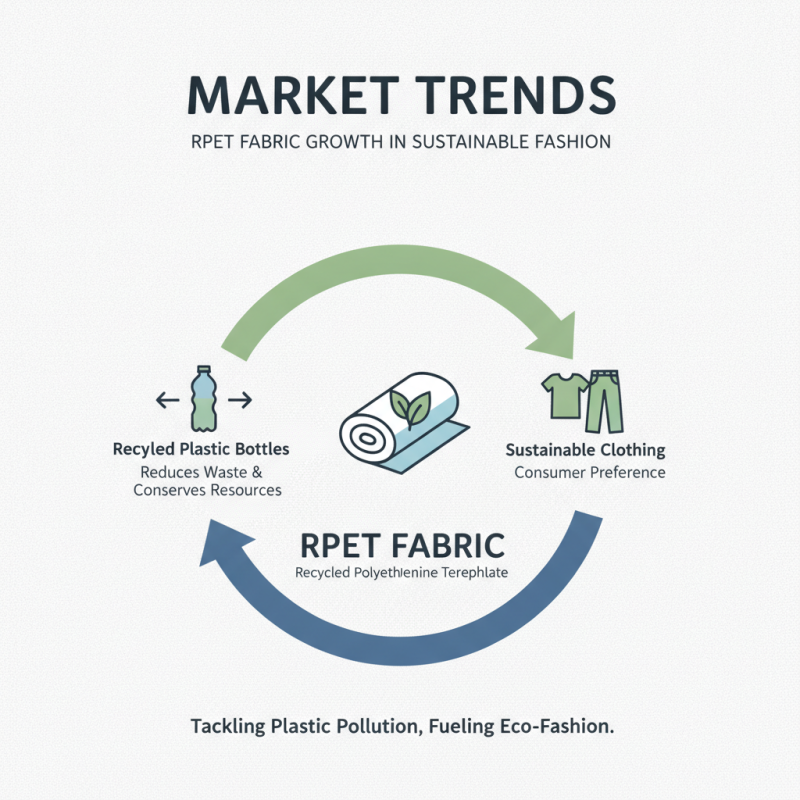
The rise of RPET fabric reflects a significant shift in the sustainable fashion market. RPET, or recycled polyethylene terephthalate, is made from recycled plastic bottles. This recycling process reduces waste and conserves resources. As environmental concerns gain attention, many consumers prefer clothing made from sustainable materials. RPET fabric offers a viable solution to the issue of plastic pollution.
The sustainable fashion industry is currently experiencing impressive growth. Many brands are embracing RPET in their collections. This change is driven by consumer demand for eco-friendly options. The market for RPET fabric is expanding rapidly, with forecasts indicating continuous growth. Despite its benefits, challenges remain. Some consumers question the durability of RPET fabrics. Awareness about the environmental impact of synthetic materials is still limited in certain areas.
RPET fabric significantly contributes to reducing landfill waste. However, the energy consumed in its recycling process can be concerning. Transparency in sourcing and production remains crucial. Brands using RPET need to educate consumers about its lifecycle. Engaging storytelling can help bridge the knowledge gap. This is vital for promoting genuine sustainability in the fashion industry. Balancing innovation with environmental responsibility is an ongoing challenge for many.
Benefits of Rpet for Consumers and Brands in Eco-Friendly Practices
Rpet fabric, made from recycled plastic bottles, is transforming the fashion landscape. Its eco-friendly nature appeals to both consumers and brands. Many consumers are seeking sustainable options. They want to make choices that benefit the planet. Rpet provides a solution by reducing waste. It can prevent an immense amount of plastic from ending up in landfills or oceans. This fabric is lightweight and durable, making it ideal for everyday wear.
Brands are increasingly adopting Rpet fabric to enhance their green credentials. This choice reflects their commitment to sustainability. However, using Rpet is not without challenges. Sourcing quality recycled materials can be difficult. Additionally, consumers sometimes question the true sustainability of recycled fabrics. Transparency is crucial. Brands need to communicate their processes clearly. Authenticity helps consumers trust their commitment to eco-friendly practices.
The versatility of Rpet also indicates its growing popularity. It can be used in various products, from apparel to accessories. The rich colors and textures offer creative potential. Yet, brands must remain vigilant about their environmental impact. More research is needed to improve recycling processes and reduce carbon footprints further. Thoughtful production practices are essential for genuine sustainable fashion.
Future Prospects of Rpet Fabric in Sustainable Textile Innovations
Rpet fabric, derived from recycled PET bottles, is gaining momentum in sustainable fashion. This material significantly reduces environmental impact. Its production process consumes less energy and water compared to conventional fabrics. The fashion industry is looking for solutions, and Rpet offers one.
Future prospects for Rpet fabric are bright, yet challenges remain. Innovations are emerging, such as improved recycling technologies. These advancements can increase the quality and durability of Rpet. Brands are investing in research, but some question the long-term sustainability of using plastic. There’s also a debate about consumer awareness and acceptance of synthetic materials.
As more designers embrace Rpet, the push for transparency grows. Educating consumers on the benefits and drawbacks of Rpet is essential. With continued innovation, Rpet could lead the way in responsible fashion. However, the reliance on plastic remains a critical concern. Balancing progress with environmental responsibility will be key for future success.
What is Rpet Fabric and Why is it Popular for Sustainable Fashion?
| Dimension |
Details |
| Material Composition |
Recycled PET (Polyethylene Terephthalate) |
| Environmental Impact |
Significantly reduces plastic waste and energy consumption compared to virgin polyester |
| Durability |
Highly durable and retains shape well |
| Market Growth |
Expected to grow by 10% annually in sustainable textiles |
| Applications |
Used in clothing, bags, and various textile products |
| Consumer Awareness |
Increasing consumer preference for sustainable materials |
| Future Innovations |
Developments in recycling technology and new blends with natural fibers |