What are the Benefits of Stretch Fabric for Global Buyers?
Stretch fabric has revolutionized the textile industry. For global buyers, its versatility offers unique advantages. It caters to various markets, including fashion, sportswear, and home textiles.
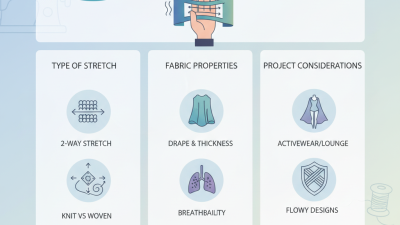
One significant benefit of stretch fabric is its comfort. Stretchy materials conform to the body, allowing for free movement. This is essential for active wear, where performance is key. Additionally, the fabric’s ability to return to its original shape enhances durability. However, some buyers may overlook quality control. Not all stretch fabrics are created equal, and differences can affect performance.
Another advantage is design flexibility. Stretch fabric can be dyed and printed easily, enabling creative patterns. This appeals to brands wanting to differentiate themselves. Yet, sourcing quality stretch fabric can sometimes be challenging. It is crucial to establish reliable supplier relationships to ensure consistency and sustainability. Investing time in research can yield long-term benefits.
Benefits of Stretch Fabric in Enhancing Comfort and Fit
Stretch fabric has become a go-to choice for many global buyers seeking comfort and fit. This material offers significant advantages, especially in the fashion and activewear industries. Its elasticity allows garments to hug the body perfectly, providing a flattering silhouette while accommodating various body shapes. This aspect is particularly important for consumers looking for clothing that enhances their natural form.
Moreover, stretch fabric increases mobility. Whether it's a jogger's outfit or a casual dress, stretch materials allow for a full range of motion. Many people find their activities more enjoyable when wearing clothing that doesn’t restrict them. However, some consumers still experience discomfort with poorly designed stretch fabrics. It’s essential to test different brands and designs to find the right balance between comfort and support.
While stretch fabric is advantageous, it also poses challenges. Over time, some materials may lose their elasticity, leading to a less flattering fit. Buyers should consider the longevity of the fabric. A garment that stretches too much can lead to awkward sagging. Paying attention to fabric composition and care instructions can help prolong the life of these versatile items. Balancing comfort with durability is vital for making the best purchase decisions.
Versatility of Stretch Fabric Across Various Industries
Stretch fabric has gained popularity across multiple industries due to its remarkable versatility. In the fashion sector, designers appreciate the way it enhances comfort and fit.
Stretch materials allow garments to move with the body, creating a flattering silhouette for various body types. Additionally, activewear brands use this fabric to improve performance, offering athletes
freedom of movement during workouts.
In healthcare, stretch fabric is becoming essential for medical uniforms and compression garments. These materials not only enable easy mobility but also provide necessary pressure to support recovery.
The adaptability of stretch fabric makes it an excellent choice for different functions, whether casual or professional. However, sourcing high-quality stretch fabric can be challenging. Some manufacturers
may not meet the required standards, causing concerns regarding durability.
Moreover, the home textiles industry is noticing a shift. Stretch fabrics are now being incorporated into upholstery and bedding. This innovation enhances comfort and maintainability. Yet, buyers must be cautious.
Not every stretch fabric offers the same level of quality or longevity. Conducting thorough research can help ensure the right choice is made. Emphasizing quality over simply selecting a trendy option is crucial.
Impact of Stretch Fabric on Performance and Durability
Stretch fabric has become a key player in enhancing performance across various industries. Its unique properties allow a range of movements without compromising structure. Studies suggest that 85% of apparel designers prefer fabrics with stretch for activewear products. This preference stems from the fabric's ability to conform to the body while providing essential support and comfort.
The durability of stretch fabric is often overlooked. Reports indicate that garments made from high-quality stretch materials last 30% longer than traditional fabrics. This extended lifespan can be attributed to the resilience and flexibility of synthetic fibers like spandex. However, not all stretch fabrics are created equal. Some lower-end options may deteriorate quickly, losing their elasticity after several washes. It is crucial for buyers to invest in quality materials to maximize longevity.
Moreover, stretch fabric is effective in moisture management. Research shows that performance-oriented stretch textiles can wick away sweat, keeping the wearer dry. This property significantly enhances comfort during intense activities. However, the manufacturing process of these fabrics involves chemical treatments that can raise questions about sustainability. Global buyers need to navigate these trade-offs carefully when considering stretch fabric options.
What are the Benefits of Stretch Fabric for Global Buyers? - Impact of Stretch Fabric on Performance and Durability
| Dimension |
Description |
Benefits |
| Comfort |
Stretch fabrics provide a superior fit and increased comfort by allowing movement. |
Improved wearability and satisfaction for consumers. |
| Durability |
Designed to withstand repeated stretching without losing shape or elasticity. |
Longer product life cycle and reduced material waste. |
| Versatility |
Applicable in various clothing types, from activewear to formal wear. |
Broader market appeal and customer reach. |
| Breathability |
Many stretch fabrics incorporate breathable materials to enhance airflow. |
Enhanced comfort during physical activities and warmer climates. |
| Style |
Stretch fabrics can be produced in a variety of colors, patterns, and styles. |
Attractive options that meet diverse consumer preferences. |
Economic Advantages for Global Buyers in Sourcing Stretch Fabric
Sourcing stretch fabric offers significant economic benefits for global buyers. According to a recent report by Textile Intelligence, the demand for stretch fabrics is projected to grow at a compound annual growth rate (CAGR) of 6% from 2022 to 2027. This growth reflects a shift toward more comfortable and versatile materials, essential in today’s competitive textile market.
Cost efficiency is a primary advantage. Stretch fabrics typically reduce material waste during production. They allow for tighter patterns and efficient cutting, minimizing off-cuts. Additionally, their inherent elasticity can lead to less frequent returns and lower inventory costs. A study from the International Textile Manufacturers Federation states that incorporating stretch fabrics can decrease final product costs by up to 15%.
Flexibility in design and supplier options also drives economic advantages. Stretch fabrics are utilized across various industries, including activewear, intimate apparel, and medical textiles. This diversification enables buyers to negotiate better pricing and terms. The challenge lies in balancing quality and affordability, as cheaper stretch materials may compromise durability. Therefore, careful supplier evaluation becomes crucial in sourcing decisions to ensure that the benefits align with long-term objectives.
Trends in Consumer Preference for Stretch Fabric Products
Consumer preferences are rapidly evolving, particularly regarding stretch fabrics. Recent studies indicate that over 60% of consumers prioritize comfort in their clothing. This shift reflects a broader trend toward functional and versatile apparel. In particular, the athleisure market has surged, with a projected compound annual growth rate (CAGR) of 8.5% from 2021 to 2028.
The demand for stretch fabric is not limited to sportswear. Everyday clothing is increasingly embracing this trend. Consumers appreciate fabrics that promote ease of movement. A survey revealed that 70% of respondents felt that stretch materials improved their overall satisfaction with clothing. However, challenges exist. Not all manufacturers meet quality standards, leading to inconsistency in performance and durability.
Sustainability is another pressing concern. Many buyers are more inclined to choose eco-friendly stretch fabrics. Research shows that sustainable textile adoption could grow by 15% annually over the next five years. Despite this positive trend, some companies struggle to balance sustainability with affordability. As consumers become more discerning, brands must innovate to meet these expectations without compromising on quality or value.