Top 10 Best Imitation Linen Fabric Options for Your Home Decor?
When it comes to home decor, choosing the right fabric can make all the difference. Imitation linen fabric stands out as a popular choice. It combines elegance with durability, creating a beautiful yet functional option. This fabric mimics the appearance of traditional linen but without the hefty price tag. It offers versatility for various design styles, from modern to rustic.
Many homeowners are drawn to imitation linen fabric for its soft texture and easy maintenance. It resists wrinkling and fading, making it ideal for everyday use. You can find it in a range of colors and patterns, allowing for creativity in your decor. While it offers many benefits, not all imitation linen fabrics are created equal. Some options may fall short in quality or longevity.
Exploring the top choices in imitation linen fabric helps you make a more informed decision. Quality should be a priority, but price often plays a crucial role. Be mindful of your budget, but do not compromise on style. Ultimately, the right imitation linen fabric can elevate your home’s aesthetic and comfort.
Understanding Imitation Linen Fabric: What to Look For
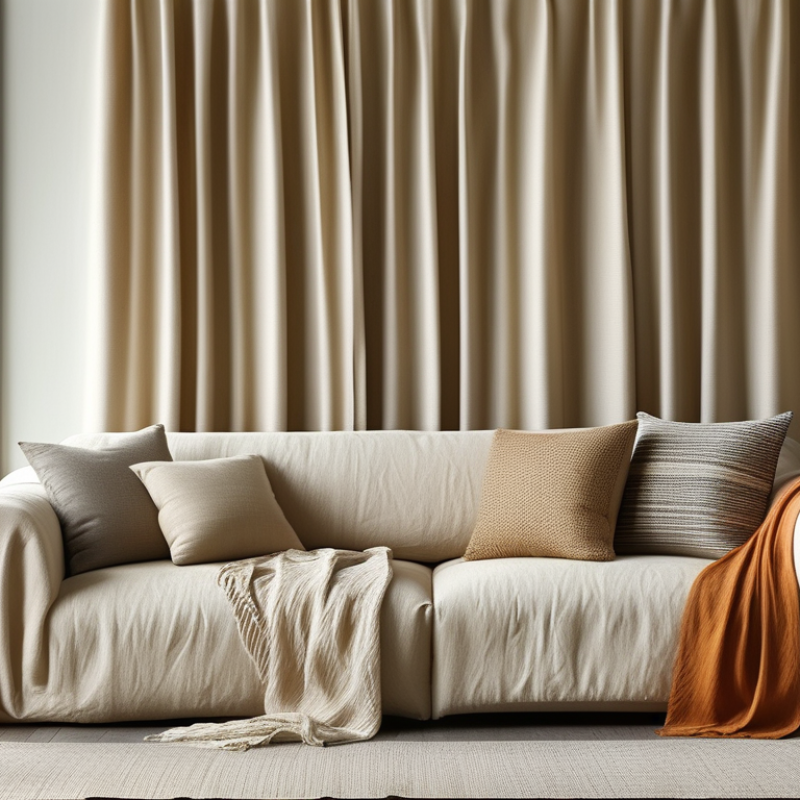
When choosing imitation linen fabric for home decor, understanding its key features is essential. Look for a fabric that mimics the texture and appearance of natural linen. The weave should appear relaxed yet deliberate, offering a soft and luxurious feel. Varieties may differ, so tactile assessment is crucial. One often overlooked aspect is the weight of the fabric. Heavier options typically provide better drape and durability.
Color and print are also important. A rich palette can enhance any space, creating a cozy atmosphere. However, colors may fade over time. Ensure the fabric is suitable for your intended use. Consider sun exposure, as some fabricated linens might not maintain their vibrancy. Pay attention to care instructions too. Some imitation linens can be machine-washed, while others require special handling, which can be frustrating in the long run.
Lastly, consider the environmental impact. Some imitation linens are made with synthetic materials, which may not be eco-friendly. Alternatives exist that utilize recycled fibers. As you explore options, staying informed about sustainability is key. A well-balanced choice can elevate your decor while aligning with your values.
Top Features of High-Quality Imitation Linen Fabrics
When choosing imitation linen fabrics for home decor, several key features stand out. First, the texture is crucial. High-quality imitation linen often has a soft, woven feel similar to natural linen. It appeals to the senses and drapes beautifully, enhancing any space. The color retention is another important aspect. Good imitation linen retains its hue, even after multiple washes. Fabrics that fade may need more frequent replacement, which is less economical over time.
Another feature to consider is breathability. Quality imitation linen allows air circulation, making it suitable for various seasons. This is essential for curtains and upholstery in high-traffic areas. However, not all fabrics perform well; some may trap heat, which can be uncomfortable. Additionally, the ease of care is vital. Fabrics that are machine washable save time and effort, and they maintain their appearance without excessive ironing.
Durability is also a consideration. While imitation linen is generally strong, the quality varies widely. Some fabrics snag easily, leading to unsightly damage. It can be worthwhile to test a sample before committing to a larger purchase. Opt for products that offer a warranty whenever possible, as this adds a layer of assurance in terms of quality and longevity. Balancing these features can seem daunting but achieving the right fit for your home decor is worth the effort.
Comparing Different Types of Imitation Linen: Pros and Cons
Imitation linen fabrics have gained popularity in home decor for their versatility and affordability.
These fabrics often mimic the texture and visual appeal of natural linen while offering distinct advantages. They are usually made from synthetic fibers, which can enhance durability and ease of maintenance.
Reports indicate that the global market for imitation fabrics is expected to grow at a CAGR of 5.2% from 2023 to 2028, highlighting their rising relevance in home furnishings.
However, imitation linen comes with its own set of challenges.
One significant drawback is breathability. Natural linen fibers allow air to circulate, providing comfort in warmer climates.
In contrast, synthetic options can trap heat and moisture, leading to discomfort. Eco-conscious consumers may also find it disheartening that many imitation linens are derived from non-renewable resources.
A recent study revealed that nearly 60% of home decor consumers prefer eco-friendly textiles, indicating a demand for sustainable alternatives.
Quality varies greatly within imitation linen options. Some may feel overly synthetic and lack the softer texture associated with real linen.
This reflects the importance of choosing wisely. While seeking affordability, one can easily overlook potential drawbacks, such as durability or aesthetic appeal.
Thus, it’s crucial to assess the specific needs of your decor alongside the merits and downsides of imitation fabrics.
Best Imitation Linen Fabrics for Specific Home Decor Styles
When it comes to decorating your home, choosing the right fabric can make a big difference. Imitation linen fabrics provide an elegant look without the high cost of real linen. Depending on your decor style, some options may work better than others.
For a rustic farmhouse look, choose muted tones and textured imitation linens. They create warmth and harmony. Incorporate patterns like plaid or floral for charm. For a more modern aesthetic, opt for sleek, solid imitation linen. Neutral colors paired with minimalist furniture allow these fabrics to shine.
**Tips:** Always sample fabrics in your home light. It affects the color perception. Mixing textures adds depth. Consider layering different fabrics to enhance visual interest.
Selecting the right imitation linen for bohemian decor can be fun. Go for vibrant colors and eclectic prints. Mixing prints is crucial in this style. It reflects personality and creativity. While these fabrics are versatile, remember they might not always complement cooler styles. Test different combinations. Embrace the imperfections in your decor choices to create a space that feels uniquely yours.
Top 10 Best Imitation Linen Fabric Options for Your Home Decor
| Fabric Type |
Texture |
Color Options |
Best Use |
Care Instructions |
| Fine Dobby Weave |
Soft and Textured |
Neutral Tones |
Cushions and Drapery |
Machine Wash Cold |
| Slubbed Linen Blend |
Rough and Natural |
Earthy Hues |
Tablecloths and Upholstery |
Spot Clean Only |
| Soft Sheer Linen Look |
Light and Airy |
Pastel Shades |
Window Drapes |
Hand Wash Recommended |
| Textured Canvas |
Durable and Sturdy |
Bold Colors |
Outdoor Furniture |
Machine Wash Warm |
| Heavy Weight Imitation Linen |
Thick and Premium |
Rich Jewel Tones |
Curtains and Blinds |
Dry Clean Only |
| Linen Look Polyester |
Sleek and Smooth |
Bright Whites |
Bed Linens |
Machine Wash Cold |
| Printed Imitation Linen |
Soft with Patterns |
Varied Patterns |
Accent Pillows |
Machine Wash Cold |
| Crinkled Texture Fabric |
Unique Wrinkled Finish |
Subtle Colors |
Throw Blankets |
Hand Wash Preferred |
| Lightweight Chambray-Like Fabric |
Breathable and Light |
Cool Tones |
Summer Curtains |
Machine Wash Cold |
Caring for Your Imitation Linen Fabrics: Maintenance Tips
When caring for imitation linen fabrics, regular maintenance is crucial. These fabrics look and feel like real linen but require specific care to maintain their appearance. Wash them gently to prevent any damage. Hand washing is often the safest method.
Air drying is preferred for imitation linen. Avoid direct sunlight to prevent fading. If you must use a dryer, choose a low-heat setting. High heat can harm the fibers, resulting in a worn-out look.
Ironing can be tricky. Always check the fabric’s label for guidance. If you iron, use a low-temperature setting. A damp cloth can help reduce wrinkles without scorching the fabric. Regularly inspect for any signs of wear, like fraying edges. Making small repairs promptly can extend the fabric’s life.
Top 10 Best Imitation Linen Fabric Options for Your Home Decor
This bar chart displays the quality ratings of top imitation linen fabric options based on various attributes important for home decor. Each attribute is rated on a scale from 1 to 10, offering a quick overview of what to consider when selecting fabrics for your home.