Discover the Best Rpet Fabric Manufacturers in China?
Rpet Fabric has emerged as a popular choice in sustainable textiles. As we focus on eco-friendly alternatives, finding reliable manufacturers becomes crucial. This journey leads us to explore the best Rpet Fabric producers in China.
China is home to numerous Rpet Fabric manufacturers, each boasting unique strengths. Some prioritize innovation in textile technology. Others focus on ethical production practices. Yet, not all companies deliver consistently high-quality products. It is essential to research and analyze their offerings.
Choosing the right manufacturer often requires deeper insights. Quality, sustainability, and reliability should guide your decisions. Many companies provide impressive portfolios, but a closer examination may reveal gaps. Understanding these nuances is vital for making informed choices in the realm of Rpet Fabric.
Understanding Rpet Fabric: Definition and Benefits in the Textile Industry
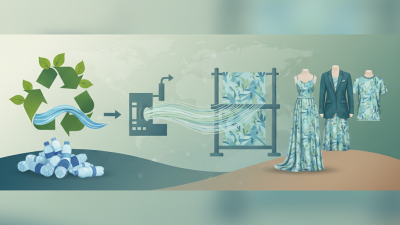
Rpet fabric, short for recycled polyethylene terephthalate, is gaining traction in the textile industry. This material is made from recycled plastics, often bottle waste, transforming it into usable textiles. The benefits are immense, offering a sustainable alternative to traditional fabrics. Rpet fabric reduces plastic waste, lowers carbon footprint, and conserves resources.
While Rpet fabric is beneficial, it may not always match the quality of virgin materials. Some manufacturers struggle with consistency. It is crucial to select reliable manufacturers who prioritize quality. Look for certifications that speak to their sustainability practices. Do thorough research on potential suppliers.
When considering Rpet fabric, remember to analyze the overall production process. It's essential to understand how fabrics are treated and dyed, as this can affect their environmental impact. Additionally, keep in mind the durability and performance of the fabric. While it’s an eco-friendly choice, not all Rpet fabrics perform equally well in various applications. Always request samples before making large purchases.
Key Players: Leading Rpet Fabric Manufacturers in China
Rpet fabric has gained popularity as a sustainable alternative in the textile industry. Many manufacturers in China are leading this trend. These companies specialize in producing high-quality recycled polyester fabrics. Their processes often involve repurposing plastic bottles, reducing waste significantly.
Key players in the Rpet fabric sector employ advanced technologies to enhance fabric durability. They focus on eco-friendly practices while ensuring that their products meet global standards. This commitment reflects their expertise and dedication to sustainable manufacturing. However, not all manufacturers may provide uniform quality. Researching each company's practices is essential.
Tips: When selecting a manufacturer, analyze their production methods. Look for certifications that confirm their commitment to sustainability. Understanding the supply chain can also help ensure reliability. Visit factories if possible, and communicate your expectations clearly. Each decision could greatly impact your project’s outcome.
Discover the Best Rpet Fabric Manufacturers in China
| Manufacturer Location |
Production Capacity (tons/year) |
Main Products |
Year Established |
Export Markets |
| Guangdong |
10,000 |
RPET Fabrics, Eco-friendly Recycled Fabrics |
2010 |
North America, Europe |
| Zhejiang |
15,000 |
Recycled Polyester Fabric, Sustainable Textiles |
2005 |
Asia, Oceania |
| Shandong |
8,000 |
Knitted and Woven RPET Fabrics |
2015 |
Global |
| Jiangsu |
12,000 |
RPET Coatings, Technical Fabrics |
2012 |
Europe, North Africa |
| Fujian |
20,000 |
RPET Bags and Accessories |
2008 |
North America, Asia |
Market Analysis: Growth Trends and Statistics for Rpet Fabric Production
The RPET fabric market in China is witnessing significant growth. Factors driving this include a rising demand for sustainable textiles and an increased focus on plastic waste reduction. Manufacturers are scaling up production to meet these needs. Market statistics indicate a robust CAGR, reflecting both industry expansion and innovation.
Sourcing from reputable RPET fabric manufacturers is essential. Not all manufacturers adhere to high-quality standards. Conduct thorough research on production processes and sustainability certifications. This ensures a reliable supply chain. Evaluate their capacity to deliver large orders on time while maintaining quality.
Tips: Look for manufacturers with transparent practices. Request samples to assess fabric quality before finalizing orders. Collaborate closely with suppliers to discuss your specific needs. Monitoring trends helps you anticipate market changes, enabling strategic decision-making. The evolving landscape of RPET production in China seems promising but requires careful navigation.
Sustainability in Textiles: Rpet Fabric's Role in Environmental Impact Reduction
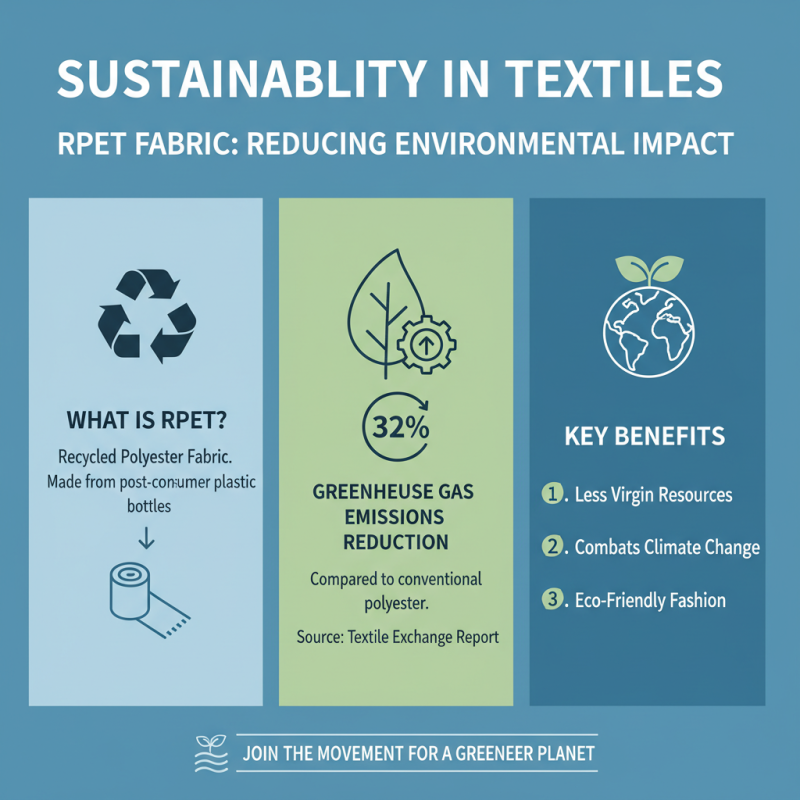
Rpet fabric has emerged as a crucial player in the sustainable textiles movement. This recycled polyester material reduces reliance on virgin resources. According to a report from the Textile Exchange, using Rpet can cut greenhouse gas emissions by up to 32% compared to conventional polyester. This significant reduction plays a vital role in combatting climate change and promoting eco-friendly practices in the fashion industry.
Sustainability in textiles is not just a trend; it is a necessity. The global textile industry accounts for around 10% of annual carbon emissions. By switching to Rpet, manufacturers can help mitigate this impact. Consumer awareness is rising, demanding eco-conscious options. In fact, 67% of consumers consider sustainability when purchasing. Brands face pressure to adopt greener practices, and Rpet is a promising solution.
Tips for choosing Rpet fabric: Look for certifications like Global Recycled Standard. Ask manufacturers about their sourcing processes. Understand the lifecycle of fabrics to assess their true environmental impact. Being informed helps consumers make better choices. As the demand for sustainable textiles grows, the role of Rpet will become increasingly significant.
Comparative Study: Rpet Fabric vs. Traditional Fabrics in Performance and Cost
Recycled PET (RPET) fabric is gaining popularity over traditional fabrics. It is made from recycled plastic bottles, reducing waste. Unlike conventional cotton or polyester, RPET uses fewer resources in production. This is a crucial advantage in an era focused on sustainability. The environmental impact can be significantly lower.
In terms of performance, RPET fabric is durable and water-resistant. It often holds color better than traditional fabrics. However, some users note that it may not be as soft as natural fibers. This can be a drawback for specific applications like clothing.
Cost-wise, RPET can be competitive, especially as production scales up. But initial setup costs may be higher compared to conventional materials.
Many manufacturers still need to refine their processes. Some fabrics may not meet high-performance standards in every situation. On the other hand, traditional fabrics are often tried and tested, but they come with a higher environmental footprint. Balancing sustainability with performance and cost remains an ongoing challenge in the industry.