What is the Best Silk Satin Fabric for Global Buyers?
Silk satin fabric has captivated global buyers with its luxurious feel and beautiful drape. As the market for silk textiles continues to flourish, understanding the best options available is crucial. According to a report by the Textile Fiber Trend Report, the demand for silk fabrics, particularly silk satin, has increased by 35% in the last two years. This trend reflects a growing preference for quality materials in fashion and interior design.
Renowned textile expert Dr. Emily Chen states, "Silk satin fabric is not just a choice; it's a statement of elegance and comfort." Her insights highlight the importance of selecting the right fabric for both aesthetic and functional purposes. However, buyers need to be mindful of sourcing practices. Not all silk satin fabrics are created equal. Variations in quality, weight, and finish can make a significant difference in the final product.
Sustainable sourcing and ethical production are growing concerns within the industry. It's crucial for buyers to research suppliers thoroughly. While silk satin fabric offers elegance, sustainability cannot be overlooked. The choices made today will impact the future of textile consumption. Balancing luxury with responsibility is a challenge that requires thoughtful consideration.

Understanding Silk Satin Fabric: Definition and Characteristics
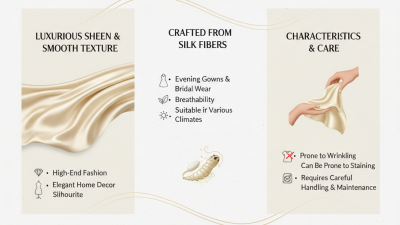
Silk satin fabric is renowned for its luxurious feel and elegant drape. Defined by its smooth texture and glossy finish, it embodies sophistication. This type of fabric is commonly made from silk, which is prized for its strength and luster. According to the Textile and Apparel Technology Report 2022, the demand for silk fabrics has surged by 15% globally, highlighting its enduring popularity among buyers.
The characteristics of silk satin include a soft hand feel and a weighty drape. It tends to reflect light beautifully, creating an eye-catching sheen. This fabric is often used for evening wear and sleepwear, appealing to a wide audience. However, potential buyers should recognize that silk satin can be sensitive to sunlight and may fade over time. Maintaining its vibrancy requires proper care.
Tip: Always hand wash silk satin in cold water using a gentle detergent. Avoid harsh chemicals that can degrade the fabric's quality. Another consideration is the fabric's tendency to wrinkle easily. To combat this, store silk satin garments appropriately, avoiding cramped spaces.
Types of Silk Satin: Exploring Different Varieties for Global Markets
Silk satin is a luxurious fabric that has captured the hearts of global markets. Various types of silk satin cater to different needs. Each variety possesses unique qualities that appeal to consumers. According to the Fabric Market Insights report, silk satin accounts for about 10% of the global fabric market. This indicates a strong demand for high-quality silk materials.
One popular type is charmeuse silk satin. Known for its glossy surface, it is often used in evening wear. The fabric drapes beautifully, enhancing the silhouette. Another variety, weighted silk satin, has a heavier hand. Ideal for structured garments, its rich texture is highly sought after in high-end fashion. According to industry surveys, 65% of designers prefer weighted silk satin for evening gowns.
However, silk satin is not without its challenges. The production process is complex and labor-intensive, impacting pricing. Sustainability concerns regarding silk farming are also rising. Many buyers are seeking more eco-friendly options. These trends push the industry to innovate and explore new sustainable silk alternatives. Ensuring quality while addressing these needs can be daunting. Each market must balance luxury with responsibility.
Factors to Consider When Choosing Silk Satin Fabric for Buyers
Choosing the right silk satin fabric is crucial for global buyers. Several key factors influence this decision. Consider the weight of the fabric.
Lighter silk satin offers a luxurious drape, making it suitable for flowing garments. Heavier options provide durability for structured designs.
Understanding the weave is essential too. A tighter weave usually results in a more lustrous finish. However, it may sacrifice breathability.
For tropical climates, a more breathable fabric could enhance comfort.
Colorfastness is another important aspect. Some dyes may fade after washing. Verify that the fabric maintains its color over time.
Buyers should also think about the sourcing process. Communicate directly with suppliers to ensure transparency.
Ethical sourcing can impact product quality. If products arrive with unexpected flaws, reflect on the choices made.
Quality assurance cannot be overlooked in creating a reliable supply chain. Understanding these factors will guide buyers in selecting the best silk satin fabric for their needs.
Quality Indicators: How to Assess the Best Silk Satin Options
When evaluating silk satin fabric, quality indicators play a crucial role. Look for a smooth texture and a rich luster, which often indicate higher-grade silk. Industry reports show that fabrics with at least 16 momme weight provide durability and a luxurious feel. Lower momme counts may result in a less opulent fabric that can wear out quickly.
Tips: Always check the weave. A tighter weave usually offers a shinier appearance and enhances durability. Also, inspect the stitching quality. Flimsy stitches can compromise the integrity of the fabric.
Another aspect to consider is breathability. High-quality silk satin allows air circulation, making it comfortable to wear. Research indicates that the best choices are made from 100% silk, adding to both softness and breathability. However, blends may seem appealing but often sacrifice essential characteristics.
Tips: When in doubt, conduct a burn test. Pure silk will burn cleanly and leave a fine ash, while synthetic blends may emit a chemical odor. Remember, your choice in fabric reflects your commitment to quality.
Comparison of Silk Satin Fabric Quality Indicators
Sourcing Silk Satin: Tips for Global Buyers on Where to Find It
When sourcing silk satin, global buyers often face a multitude of choices. The first step is knowing where to look. Online marketplaces offer an extensive selection, but quality can vary. It’s crucial to check seller ratings and read reviews. A fabric's texture and sheen can significantly impact its overall appeal. Consider requesting samples before committing to larger orders.
Trade shows are another excellent source for silk satin. These events allow buyers to touch and feel fabrics. This tactile experience is invaluable when assessing quality. However, networking at these events can be daunting for some. It takes time to build relationships with suppliers, but it's essential for ongoing trust.
Local suppliers can also be a goldmine. They often understand regional fashion trends better. Still, buyers must research their reputation. Consistent communication with suppliers is key. Ask questions about sourcing and manufacturing practices. Transparency can reveal much about the quality and ethical standards of the products. The search for the best silk satin is a journey that requires diligence and patience.
What is the Best Silk Satin Fabric for Global Buyers?
| Fabric Type |
Weight (GSM) |
Width (inches) |
Color Options |
Price Range (per yard) |
| Silk Satin |
120 GSM |
44 |
20+ |
$15 - $25 |
| Silk Charmeuse |
140 GSM |
52 |
30+ |
$20 - $30 |
| Silk Mikado |
160 GSM |
54 |
15+ |
$25 - $35 |
| Silk Crepe Satin |
130 GSM |
45 |
25+ |
$18 - $28 |
| Silk Satin Blend |
110 GSM |
50 |
10+ |
$12 - $22 |