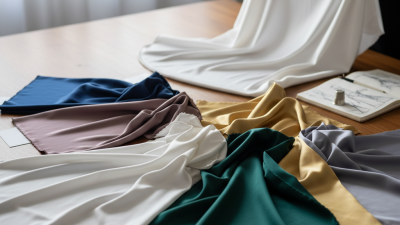
Why Choose Silk Satin Fabric for Your Next Project?
In the world of textiles, "Silk Satin Fabric" stands out due to its luxurious feel and versatility. According to a report by the Textile Industry Association, the demand for silk satin has seen a staggering 30% increase over the last five years. This growth underlines the fabric's appeal in fashion design and home décor, where elegance matters.
Industry expert Dr. Emily Chen, a noted fabric analyst, highlights, "Silk satin is more than just a fabric; it's an experience." Her insights reflect the growing trend among designers to utilize silk satin for its rich texture and beautiful drape. This fabric not only offers a visual charm but also enhances the tactile experience of garments.
While the allure of silk satin is undeniable, it is essential to consider its care requirements and cost. Many consumers may overlook the fact that silk satin demands delicate handling. Balancing these considerations with its luxurious qualities can be challenging. Thus, knowing when and how to incorporate Silk Satin Fabric into projects is crucial for achieving desired outcomes.

Benefits of Silk Satin Fabric in Fashion Design
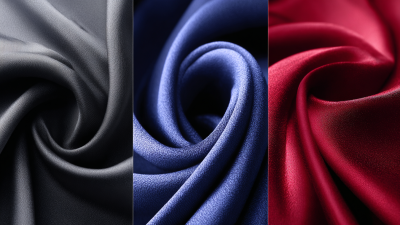
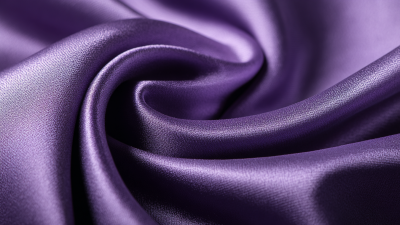
Silk satin fabric stands out for its luxurious texture and aesthetic appeal. Designers frequently choose it for formal wear and evening gowns. The smooth surface reflects light beautifully, creating an elegant drape that enhances any silhouette. This fabric feels soft against the skin, making it comfortable for extended wear. It adds a touch of sophistication to any design.
Its versatility is noteworthy. Silk satin works well for both structured designs and flowing garments. It can be easily manipulated to create ruffles or pleats. However, working with this material requires precision. It slips easily, making pattern cutting challenging. Designers may need to adjust their techniques when using silk satin.
The care of silk satin poses some challenges too. Maintaining its rich luster requires gentle washing and careful ironing. Dry cleaning is often recommended to preserve the fabric’s integrity. These factors can be a concern for some designers. Despite these issues, many still find silk satin worth the effort. The end result is often breathtaking and unforgettable.
Versatility of Silk Satin for Various Projects
Silk satin fabric stands out for its versatility across various projects. Its unique blend of silk and polyester creates a luxurious texture that captures attention. Designers often choose it for evening wear, but its applications extend much further. Reports suggest that silk satin's popularity has grown by over 15% in fashion-related projects since 2020, illustrating its increasing desirability.
From home decor to weddings, silk satin enhances aesthetic appeal. Curtains made from silk satin drape beautifully, elevating any space. In the bridal market, 45% of dresses now incorporate silk satin for its elegance and softness. However, it’s essential to note that silk satin can be challenging to maintain. Stains can be problematic, and special care is required during washing.
Its adaptability is both a strength and a weakness. For instance, while silk satin works well for table runners, it can be slippery on surfaces. This can lead to accidents or less-than-perfect setups. Designers must consider these factors when planning projects. Overall, silk satin remains a fantastic material that balances beauty with practicality, although careful thought is necessary.
Why Choose Silk Satin Fabric for Your Next Project? - Versatility of Silk Satin for Various Projects
| Project Type |
Benefits |
Common Uses |
Care Instructions |
| Clothing |
Luxurious feel, elegant drape |
Dresses, blouses, lining |
Dry clean only |
| Home Decor |
Adds sophistication, rich colors |
Curtains, cushions, table runners |
Gentle wash, avoid harsh detergents |
| Accessories |
Soft texture, lightweight |
Scarves, bags, headbands |
Spot clean recommended |
| Bedding |
Smooth texture, temperature regulation |
Sheets, pillowcases, duvet covers |
Cold hand wash, hang dry |
Care and Maintenance of Silk Satin Fabric
Silk satin fabric is often admired for its elegance and luxurious feel. However, proper care and maintenance are crucial to preserving its beauty. To maintain silk satin, hand washing is preferred. Use cold water and a gentle detergent. If you must machine wash, opt for a delicate cycle. Always wash silk separately to avoid color transfer.
Drying silk satin is another essential step. Avoid wringing out the fabric, as this can cause damage. Instead, gently press out excess water and lay it flat on a clean towel. Direct sunlight can fade colors and weaken fibers. Choose a cool, shaded area for drying instead.
Ironing silk satin requires special attention. Always use the lowest heat setting on your iron. A pressing cloth can help prevent shiny marks on the fabric. If accidental creasing occurs, re-steam the fabric lightly. These care tips can enhance the longevity of your silk satin items. However, it's easy to overlook these steps, which can lead to fading and deterioration. Remember to prioritize maintenance to enjoy your silk satin creations for years.
Benefits of Choosing Silk Satin Fabric
Silk satin fabric offers a range of benefits, making it an excellent choice for various projects. The chart displays ratings for key benefits such as smoothness, durability, shine, breathability, and comfort, showcasing why silk satin is favored in fashion and decor.
Comparing Silk Satin to Other Fabrics
Silk satin fabric stands out for its luxurious feel and elegant drape. When compared to other fabrics, silk satin offers a unique combination of softness and shine. Its smooth surface reflects light beautifully, enhancing the visual appeal of any garment or accessory. However, its delicate nature may require more care than synthetic alternatives.
Cotton, for example, is breathable and easy to care for. It’s practical for everyday wear but lacks the luster that silk satin provides. Polyester is also durable and often more affordable. However, it doesn’t replicate the same luxurious feel, making it less desirable for formal occasions. The tactile difference can impact the overall comfort and style of your project.
Working with silk satin can be rewarding but presents challenges. Fraying edges and slipping during sewing can be frustrating. Unlike cotton, silk satin can require specialized tools or techniques to handle properly. You might need to invest time in learning how to sew this fabric effectively. Balancing these aspects with the stunning results is part of the creative journey.
Sustainable Aspects of Using Silk Satin in Projects
Silk satin fabric is an excellent choice for many projects, particularly with its sustainable aspects. According to various studies, silk production can be less harmful to the environment compared to synthetic fabrics. The production of silk consumes much less water and energy. A report from the Textile Exchange highlights that silk has a lower carbon footprint than polyester, which is primarily derived from fossil fuels.
By choosing silk satin, you're also opting for a biodegradable material. Unlike synthetic fabrics that can take hundreds of years to decompose, silk breaks down naturally. This feature contributes positively to reducing landfill waste. However, the ethical production of silk is critical. Not all silk is created equally; sourcing from responsible producers makes a difference. Look for certifications indicating ethical practices in silk farming.
Tips: When selecting silk satin, consider sourcing options. Local suppliers often provide more sustainable choices. Pay attention to the origin of the silk. Ensure that it aligns with your sustainability goals. Experiment with dyeing methods as natural dyes are more eco-friendly.
Investing in silk satin means investing in quality. The fabric offers a luxurious feel and aesthetic appeal. However, it can be pricier than synthetic fabrics, so balance your budget accordingly. Consider the longevity of silk for future projects; it often outlasts cheaper alternatives.