Why Choose RPET Fabric for Sustainable Production?
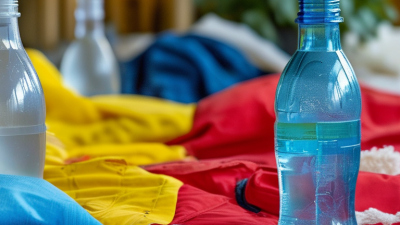
Rpet Fabric is made from recycled polyethylene terephthalate, commonly sourced from discarded plastic bottles. It gives manufacturers a practical route away from some virgin polyester. A clear example is a cleaned bottle becoming soft yarn, then a jacket lining or sports shirt.
The numbers explain its growing relevance. Textile Exchange’s Materials Market Report 2024 states that polyester represented 57% of global fiber production in 2023. Recycled polyester made up approximately 12% of total polyester production. That share shows progress, but also exposes a large gap. Most polyester still depends on new fossil-based feedstock.
“ We need to shift from a linear to a circular system,” says Lewis Perkins, a recognized sustainability leader associated with Textile Exchange. His statement reflects the central value of Rpet Fabric. Waste can re-enter production instead of ending in landfills or incineration.
The environmental case requires careful measurement. A life-cycle assessment by the European Outdoor Conservation Association reported that recycled polyester can reduce energy demand compared with virgin polyester. Results vary by feedstock, electricity mix, processing, and transport. Recycled content alone proves little.
That matters.
Rpet Fabric is not a perfect solution. It may still shed microfibers during washing, and mechanical recycling can reduce fiber quality. Chemical recycling also needs transparent evidence and responsible infrastructure. Producers should request Global Recycled Standard certification, traceability documents, and test reports before making sustainability claims.
The strongest choice combines recycled inputs, durable design, efficient dyeing, and longer product use. This approach is less convenient than a simple green label. It is also more credible.

RPET fabric is made from recycled polyethylene terephthalate, commonly found in used plastic bottles. Instead of sending these bottles directly to waste facilities, manufacturers collect, sort, and process them into textile fibers. The result can feel smooth, strong, and suitable for clothing, bags, home textiles, and industrial materials.
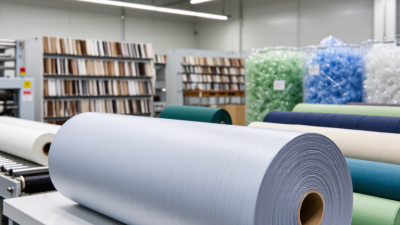
The process begins with collection and careful sorting by material and color. Workers remove caps, labels, dirt, and unsuitable plastics before washing the bottles thoroughly. Clean bottles are shredded into small flakes. These flakes are dried, melted, and pushed through fine openings to create continuous filaments. The filaments are stretched, cooled, and spun into yarn. Finally, the yarn is woven or knitted into fabric.
It sounds simple. It is not.
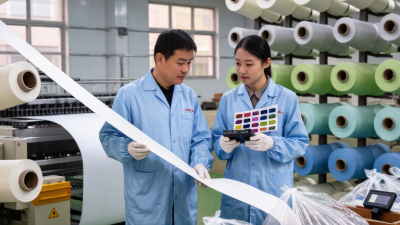
Moisture, contamination, and unstable heating can reduce fiber quality. In practical production, careful testing is necessary. Manufacturers should check recycled content, fiber strength, color consistency, and supply-chain records. RPET can reduce reliance on newly produced petroleum-based materials, but it is not automatically impact-free. Washing, dyeing, transportation, and finishing still consume energy and water. Recycled polyester also remains a synthetic fiber, so shedding during washing deserves attention. Better production requires honest data, responsible processing, and continued improvement rather than easy environmental claims.
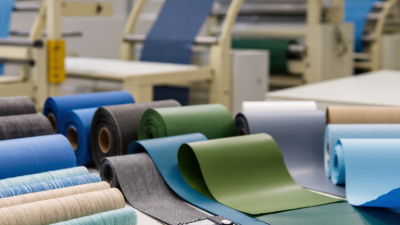
RPET fabric supports sustainable resource use by turning used PET bottles into usable textile fibers. It reduces demand for virgin petroleum-based polyester. The process also keeps plastic in circulation for longer. The OECD’s Global Plastics Outlook reports that only 9% of plastic waste was recycled globally in 2019. RPET cannot solve this gap alone. Collection systems still decide what becomes fabric.
These figures show growing adoption, but they require careful interpretation. Bottle-based RPET may lower pressure on fossil resources, yet recycling consumes energy and water. Production can also release microfibers during washing. Fabric quality may decline after repeated recycling cycles, creating a difficult resource question.
Tips: Request recycled-content certificates and traceability records. Check whether suppliers measure energy, water, and emissions. Choose durable fabrics with tight construction. Wash them less often and use a microfiber-catching filter. Do not treat “recycled” as automatically sustainable. Supplier data can be incomplete, and claims deserve verification.
RPET fabric turns used PET bottles into polyester yarn, keeping valuable plastic in circulation. Textile Exchange’s Materials Market Report 2024 estimates that global fiber production reached 132 million tonnes in 2023. Recycled polyester represented about 12% of total polyester output. This shows meaningful progress, but virgin materials still dominate.
The benefits are practical. RPET can reduce demand for new petroleum-based feedstock. It also diverts bottles from disposal and supports more visible material recovery. In factory trials, RPET often performs like conventional polyester, with useful strength, light weight, and quick drying. Textile Exchange reports that recycled polyester can deliver substantial greenhouse-gas reductions compared with virgin polyester, depending on energy sources and production methods. The exact result varies.
Traceability matters. A clear chain should connect collected bottles, flakes, pellets, yarn, and finished fabric. Without reliable records, recycled content claims become difficult to verify. Global Recycled Standard data and certification practices can help, although paperwork alone cannot fix weak recycling systems. RPET is not perfect. Washing synthetic garments may still release microfibers, and bottle-to-fiber recycling can compete with bottle-to-bottle systems. Textile Exchange’s 2024 report also notes that textile-to-textile recycling remains below 1% of global fiber production. Better collection, cleaner processing, and longer garment use are still needed.
RPET fabric is made from recycled PET bottles, which are cleaned, melted, and spun into polyester fibers. It helps reduce dependence on virgin petroleum and gives discarded plastic a second use. However, it is not a perfect solution. Fiber production still requires energy, water, and careful quality control.
RPET fabric is commonly used in T-shirts, jackets, sportswear, and work uniforms. Its quick-drying surface suits active clothing, while its strength supports repeated washing. Manufacturers also use it for backpacks, shopping bags, caps, and lightweight shoes. In factory sampling, fabric density and color consistency often need close inspection. Recycled fibers can perform well, but they may not feel identical across different batches.
Home and commercial interiors provide another major application. RPET appears in curtains, cushion covers, carpets, office partitions, and acoustic panels. Its durability helps products withstand daily friction in busy rooms. Outdoor furniture and travel accessories also use it because the fabric can resist wear and moderate moisture. Buyers should request recycled-content records, fiber testing, and production traceability. A recycled label alone does not prove responsible manufacturing. Some fabrics also shed microfibers during washing, so improved finishing and washing guidance remain important.
| Common Application | Typical RPET Fabric or Material | Common Recycled Content Range | Why RPET Is Used | Important Considerations |
|---|---|---|---|---|
| Apparel and Sportswear | Knitted polyester, woven polyester, fleece, mesh and moisture-management fabrics | 25%–100% | Provides lightweight performance, durability, quick drying and a way to incorporate recycled polyester into clothing. | Blending with elastane or other fibers may improve stretch and comfort but can make recycling more difficult. |
| Bags, Backpacks and Luggage | RPET canvas, oxford fabric, ripstop, twill and laminated polyester | 50%–100% | Offers good abrasion resistance, dimensional stability and compatibility with coatings and protective finishes. | Water-repellent coatings, laminates and mixed components should be evaluated for chemical safety and end-of-life recovery. |
| Home Textiles | Curtains, upholstery fabrics, blankets, carpets and decorative textiles | 30%–100% | Supports durable, colorfast and easy-care textile products with a broad range of fabric weights and surface textures. | For upholstery, curtains and carpets, fire performance and indoor-emissions requirements may apply. |
| Footwear Components | Knitted uppers, woven panels, linings, webbing and reinforcement fabrics | 20%–100% | Combines flexibility, low weight, abrasion resistance and design versatility for different shoe constructions. | Adhesives, foams, rubber and multiple fiber types can affect recyclability of the finished footwear. |
| Automotive Interiors | Nonwoven fabrics, seat textiles, door-panel coverings, trunk liners and acoustic materials | 20%–60% | Provides strength, abrasion resistance, acoustic performance and consistent processing in technical textile applications. | Materials must meet application-specific requirements for safety, odor, emissions, durability and heat resistance. |
| Packaging and Reusable Covers | Polyester packaging fabric, protective covers, drawstring bags and reusable shopping bags | 30%–100% | Can reduce reliance on virgin polyester while offering tear resistance, printability and repeated-use performance. | Food-contact packaging requires appropriate regulatory compliance; reusable designs should be assessed for cleaning and service life. |
| Outdoor and Technical Textiles | Tents, awnings, tarpaulins, workwear and protective textile layers | 30%–100% | Delivers strength-to-weight efficiency, weather resistance and durability for demanding environments. | Waterproof membranes, flame-retardant finishes and coatings may influence environmental performance and recyclability. |
| Geotextiles and Industrial Fabrics | Nonwoven polyester, filtration media, strapping and reinforcement fabrics | 20%–100% | Offers tensile strength, dimensional stability and resistance to moisture and many common chemicals. | Performance should be verified through application-specific testing, especially for filtration, load-bearing and outdoor exposure. |
Note: Recycled-content ranges are indicative industry-use ranges rather than universal requirements. Actual content depends on the product specification, recycled feedstock, manufacturing process, applicable standards and certification requirements.
RPET fabric turns used PET bottles into polyester yarn, reducing demand for virgin petroleum-based materials. In practice, it can produce soft shirts, lining, bags, and lightweight jackets. However, RPET is not a perfect answer. Collection systems may provide uneven feedstock, while dirt, labels, and mixed plastics can reduce processing efficiency. Quality also depends on sorting, washing, spinning, and factory controls.
One limitation is performance consistency. Recycled fibers may vary in strength, color, and hand feel between production batches. Some applications still require virgin polyester for strict durability or safety specifications. RPET garments can also release tiny synthetic fibers during washing. Recycling does not remove this concern. Blended fabrics create another challenge because separating polyester from elastane, cotton, or coatings is often difficult. In reality, “recyclable” does not always mean “recycled.” That distinction deserves more attention.
Tips: Ask for recycled-content records and supply-chain traceability. Check whether the fabric is made from post-consumer waste or factory scraps. Request test data for tensile strength, colorfastness, shrinkage, and pilling. Wash samples before making large orders. Use a fiber-catching laundry bag when possible, and choose durable designs that stay in use longer. I have found that small details, such as seam strength and fabric recovery, can matter more than a sustainability claim. RPET should be evaluated honestly, not treated as an automatic solution.