10 Best Recycled Polyester Fabric Manufacturers 2026
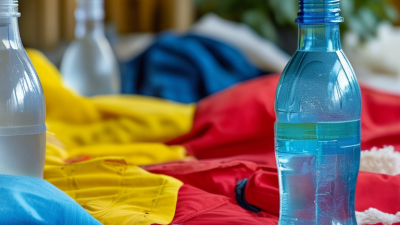
Choosing the right Recycled Polyester Fabric manufacturer requires more than comparing prices. Buyers must examine material origin, production capacity, quality controls, and environmental claims. This guide introduces ten manufacturers worth evaluating in 2026, based on practical sourcing needs and verifiable industry signals.
A dependable supplier should explain how bottles or textile waste become usable polyester yarn. Look for clear recycled-content documentation, consistent fabric specifications, and recognized certifications where applicable. Factory experience also matters. A skilled manufacturer can manage color matching, moisture control, weight variation, and finishing without sacrificing fabric performance. Small details reveal operational maturity. For example, a reliable team should discuss testing methods, sample approval, minimum order quantities, and realistic delivery schedules.
Sustainability claims deserve careful attention. Not every recycled label tells the same story. Some manufacturers provide stronger traceability than others, while certification coverage may differ by product line. Buyers should request current records instead of relying on attractive website language. This review considers fabric quality, production expertise, communication, customization, and supply-chain transparency. It also recognizes an uncomfortable limitation: rankings can change as factories expand, update equipment, or improve documentation. No single list remains perfect for every buyer. Still, these ten manufacturers offer useful starting points for brands seeking dependable materials, responsible sourcing, and commercially practical results in 2026.
2023 Baseline: Polyester Made Up 57% of Global Fiber Output (Textile Exchange)
10 Best Recycled Polyester Fabric Manufacturers 2026
In 2023, polyester represented 57% of global fiber output, according to Textile Exchange. This figure shows polyester’s enormous influence on modern textiles. It also exposes a serious responsibility. When one fiber dominates production, its feedstock, energy use, and end-of-life planning matter greatly.
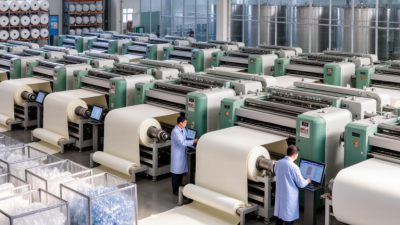
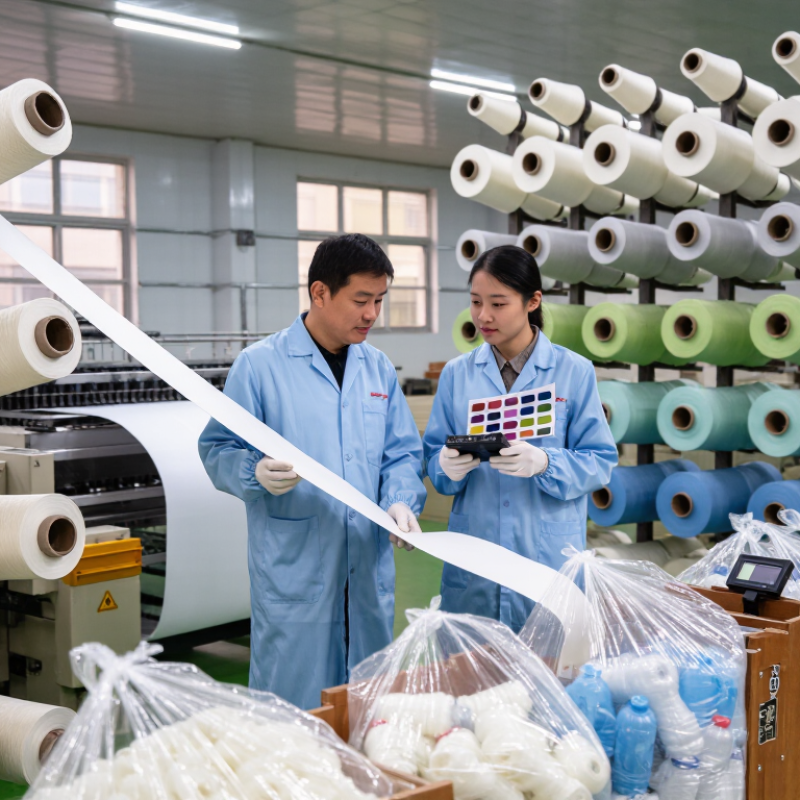
Recycled polyester manufacturers now convert post-consumer bottles or industrial waste into usable yarn and fabric. Strong suppliers should explain their material sources clearly. They should also provide transaction certificates, recycled content records, and practical traceability data. A factory floor tells another story. Clean sorting areas, controlled melting lines, and consistent color batches often reveal operational discipline.
Quality still requires testing.
Buyers should check tensile strength, pilling resistance, colorfastness, shrinkage, and moisture performance. These details matter for sportswear, uniforms, lining, and home textiles. A recycled label alone proves very little. That is uncomfortable, but necessary.
The best manufacturers for 2026 should combine stable production with measurable environmental improvements. Useful evidence may include renewable energy records, wastewater controls, and reduced process waste. However, comparisons remain imperfect. Data boundaries differ between factories, and some claims rely heavily on estimates. Buyers should ask difficult questions before placing large orders. A lower price may hide weaker traceability or inconsistent quality. Careful sampling, factory audits, and laboratory testing remain essential. The 57% baseline is not just a statistic. It is a warning about scale.
Recycled Polyester Explained: rPET Feedstocks and Its 12% Polyester Share
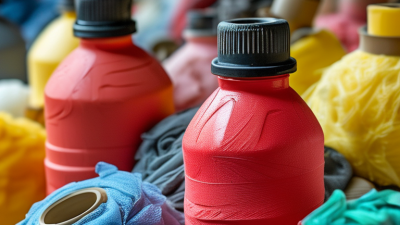
Recycled polyester, or rPET, begins with a practical question: what enters the recycling system? Common feedstocks include used PET bottles, discarded polyester garments, and factory cutting waste. Each source has different colors, additives, moisture levels, and contamination risks. Not all feedstock is equal.
Published market estimates often place recycled polyester near 12% of total polyester production, but the figure requires careful reading. Some studies count bottle-based rPET only, while others include recycled textile fibers. This difference can change the result. The percentage signals progress, not complete circularity. Polyester still dominates many clothing and home-textile supply chains.
Manufacturers should show how they sort, wash, shred, melt, and spin recycled material. A reliable supplier can provide batch records, recycled-content testing, and chain-of-custody documents.
Physical inspection also matters. Recycled yarn should maintain stable color, strength, and shrinkage after processing. Small variations may appear.
For buyers comparing the 10 best recycled polyester fabric manufacturers in 2026, feedstock transparency deserves equal attention to price and fabric appearance. A bottle-derived fabric may suit sportswear, while textile-to-textile content may better support closed-loop goals. The industry still faces difficult limits, especially mixed fibers and dye removal. I would question any claim that sounds perfectly circular. Real recycling systems remain imperfect, yet measurable evidence can guide better purchasing decisions.
Manufacturer Screening: GRS Certification, Traceability, Capacity, and Quality
Selecting the 10 best recycled polyester fabric manufacturers in 2026 requires more than comparing prices. Textile Exchange’s 2024 Materials Market Report records 124 million tonnes of global fiber production in 2023. Polyester represented 57% of that volume. Such scale makes recycled content verification essential.
Start with GRS certification and transaction certificates. GRS requires documented recycled inputs, controlled processing, and chain-of-custody records. Check the certificate scope, expiry date, facility address, and approved product category. A logo alone proves little. Traceability should connect collected materials to yarn, dyeing, finishing, and shipment records. Ask for batch numbers and mass-balance explanations. Evidence matters.
Capacity needs practical testing. Request monthly production records, machine lists, lead times, and recent delivery samples. Compare stated output with dye-house capacity and wastewater controls. Quality checks should cover GSM, width, colorfastness, pilling, tensile strength, and shrinkage. ISO 105 and ISO 12947 testing methods can support comparable results.
Textile Exchange also reports that polyester remains the dominant fiber, increasing pressure on credible recycled supply. Factory visits reveal details documents miss, including crowded warehouses and inconsistent shade cards. I would not treat one successful sample as proof. Suppliers can improve, but buyers must keep questioning repeated claims.
Comparing the 10 Best Manufacturers by Fabrics, Prices, Lead Times, and MOQs
A 2026 comparison of ten recycled polyester fabric manufacturers shows clear differences in fabric range, pricing, lead times, and minimum order quantities.
Supplier A focuses on recycled jersey, with indicative prices of $2.20–$3.10 per kilogram, 18–25 day lead times, and a 500-kilogram MOQ.
Supplier B offers fleece at $2.80–$4.00, requiring 25–35 days and 800 kilograms.
Supplier C specializes in woven fabric, priced near $2.60–$3.70, with 20–30 day production and a 600-kilogram MOQ.
Supplier D produces mesh fabric from $2.40–$3.50, but usually requests 1,000 kilograms.
Supplier E provides brushed polyester, with prices from $3.10–$4.40 and lead times reaching 40 days.
Supplier F is more flexible for smaller orders, starting at 300 kilograms, although its jersey prices may exceed $3.50. Supplier G handles dyed fleece and typically quotes 30–45 days. Supplier H offers lightweight woven fabric, with faster sampling but higher sample charges. Supplier I produces stretch polyester blends, usually at $3.20–$4.80 per kilogram. Supplier J supports larger-volume programs, with MOQs above 1,500 kilograms and more negotiable pricing.
These figures are practical estimates, not fixed offers. Dye depth, GSM, finishing, recycled-content percentage, and freight can change the final cost. Requesting lab dips, GSM reports, test results, and recycled-content certificates is essential. Price alone misleads. My comparison also has limits because factory capacity changes seasonally, and some lead-time promises can slip.
2026 Buying Criteria: LCA Data, Carbon Reduction, Water Use, and Supply Security
Choosing among the 10 Best Recycled Polyester Fabric Manufacturers 2026 requires more than comparing recycled content percentages. Buyers should request a product-level life cycle assessment covering raw material collection, polymer processing, dyeing, finishing, and delivery. Check whether the study follows ISO 14040 and ISO 14044 principles. A credible manufacturer can explain its system boundaries, electricity sources, assumptions, and data age. Ask for third-party review when possible. Green claims without calculation details deserve caution.
Carbon performance should be measured per kilogram of finished fabric, not per kilogram of recycled flakes. Request energy records, renewable electricity ratios, and reduction targets with clear base years. Water data also needs context. A factory using less water may still discharge poorly treated wastewater. Review intake, recycling rates, chemical controls, and test results. During audits, I would compare meter readings with production volumes. Numbers can look impressive until the denominator changes.
Supply security is equally practical. Examine collection networks, resin inventories, backup spinners, lead times, and contingency plans for power or transport disruptions. Ask whether recycled feedstock quality remains stable across seasons. Some suppliers provide excellent samples but struggle with repeat orders. That gap matters. A useful evaluation sheet should record certification scope, batch traceability, defect rates, and corrective-action history. No assessment is perfect. Data may be incomplete, especially for upstream collection. The responsible buyer should document those limits instead of treating estimates as facts.
Recycled Polyester Buying Criteria: Published Sector Benchmarks
Compared with virgin polyester, recycled polyester is reported to deliver approximately 32% lower greenhouse-gas emissions and 59% lower energy use. Water performance varies significantly by feedstock, dyeing process, and site conditions; the chart uses a conservative 20% indicative reduction and should be verified with supplier-specific LCA data.
For procurement decisions, request ISO 14040/14044-aligned LCA results, site-level water data in m³/kg, third-party recycled-content certification, batch traceability, and documented feedstock and capacity plans to assess supply security.
Reference: Textile Exchange, Preferred Fiber & Materials materials-impact benchmarks; ISO 14040 and ISO 14044.