How to Choose the Right Micro Fabric for Your Sewing Projects?
Choosing the right micro fabric for your sewing projects can be a daunting task. According to renowned textile expert Sarah Collins, "Understanding the unique qualities of micro fabrics is essential for any successful sewing venture." Micro fabrics are lightweight and versatile, making them a favorite among sewers. However, their delicate nature can pose challenges.
When selecting micro fabric, consider the specific project requirements. For example, some micro fabrics offer better moisture-wicking properties, while others may be softer or have more drape. This makes understanding the fabric's intended use critical. Not every micro fabric suits every project. The choices can reflect personal style but also affect the final outcome.
Don’t rush the decision-making process. Experimenting with swatches can uncover flaws in your fabric choice. Reflecting on past projects may reveal patterns of mistakes. Perhaps you picked a fabric based solely on its color, neglecting its texture or resilience. Ultimately, the right micro fabric can elevate your sewing projects, but thoughtful selection is crucial.
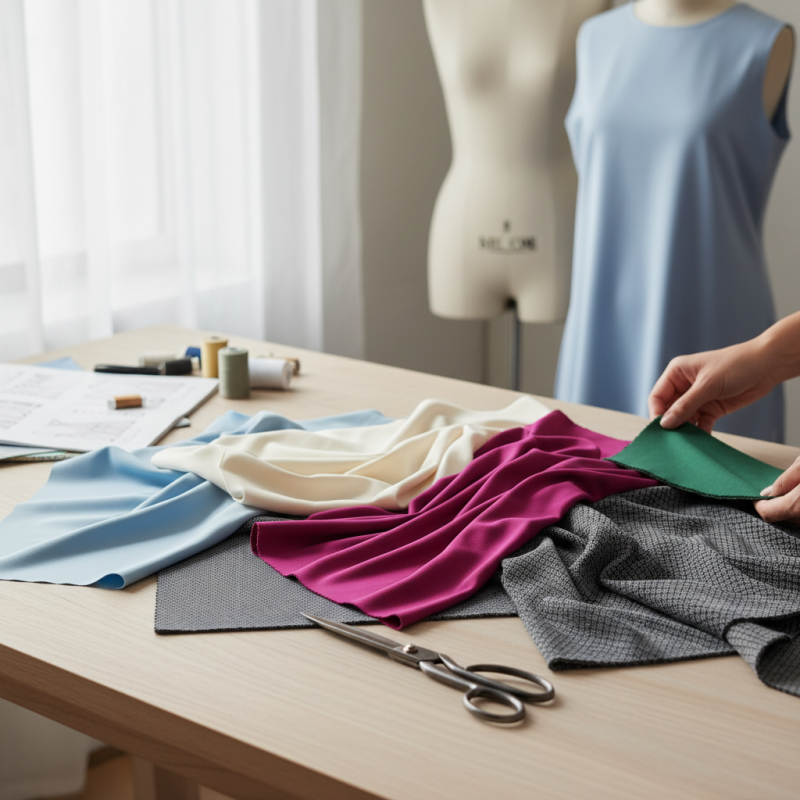
Understanding Micro Fabrics: Types and Characteristics
Micro fabrics are gaining popularity among sewing enthusiasts. These materials are lightweight yet durable, making them suitable for various projects. Understanding their types and characteristics is essential for achieving optimal results.
There are several types of micro fabrics, including microfiber, microdenier, and microsuede. Microfiber is incredibly fine, with fibers measuring less than one denier. It is soft to the touch and highly absorbent, often used for cleaning and sportswear.
Microdenier, on the other hand, features tighter weaves, providing better strength and water resistance. This makes it a popular choice for outdoor gear. Microsuede mimics traditional suede but is easier to maintain, appealing to crafters looking for a leather-like finish.
According to a recent industry report, the global micro fabric market is projected to grow by 5% annually through 2025, reflecting its increasing demand.
Choosing the right micro fabric involves considering your project needs. For instance, while microfiber offers softness, it may not be ideal for structural garments. Conversely, microdenier's sturdiness could add unwanted bulk to delicate designs. Remember, some micro fabrics can fray easily when cut, requiring careful handling and finishing techniques. Being aware of these nuances will help avoid project mishaps.
Assessing the Purpose of Your Sewing Project
When selecting micro fabric for a sewing project, defining the purpose is paramount. Different purposes require specific fabric characteristics. For instance, a report from the Textile Research Journal highlights that 70% of successful sewing projects depend on fabric suitability for the intended use. If crafting garments, consider breathability and drape. For home décor, durability and texture take precedence.
Crafting for children demands extra attention. Safety and comfort are non-negotiable factors. A recent survey found that 60% of parents prefer soft, hypoallergenic fabrics. Micro fabrics, often lightweight yet sturdy, are a solid choice. However, consider the potential for snagging or pilling. If making bags or accessories, test the fabric's tensile strength. Some micro fibers can stretch after prolonged use, which may lead to frustrating outcomes.
Don't overlook ecological aspects. Sustainable options are gaining traction. A study by the Sustainable Apparel Coalition indicates that eco-friendly fabrics can reduce environmental impact by up to 30%. Balancing purpose with sustainability can enhance the project's value. Reflect on these factors thoroughly before making a decision. The right choice can lead to impressive results, while hasty selections might detract from the overall vision.
Evaluating Fabric Weight and Texture for Optimal Results
Choosing the right micro fabric involves careful consideration of fabric weight and texture. Fabric weight influences the drape and feel of your projects. Lighter weights tend to flow beautifully, making them ideal for garments like blouses or summer dresses. Heavier weights provide structure, perfect for tailored pieces. However, lighter fabrics can be tricky. They may shift during cutting or sewing, leading to uneven seams.
Texture plays a crucial role as well. A fabric's surface can affect the final look of your project. Smooth textures often result in a polished appearance, while textured fabrics add depth. However, be cautious with very textured materials. They can be challenging to work with, sometimes resulting in misalignment or puckering. Each fabric type has its quirks. For example, a soft, velvety micro fabric can be luxurious but may also stretch out of shape.
Experimenting with various weights and textures is essential. Consider swatching before committing to a large cut. Yet, don’t be afraid to make mistakes. You might discover unique combinations or unanticipated challenges. Embrace the learning process. It’s all part of creating something beautiful.
How to Choose the Right Micro Fabric for Your Sewing Projects?
| Fabric Type |
Weight (GSM) |
Texture |
Best Uses |
| Microfiber |
80-150 |
Soft, Smooth |
Lining, Clothing |
| Nylon Micro Mesh |
50-100 |
Light, Breathable |
Activewear, Underwear |
| Polyester Micro Suede |
150-200 |
Soft, Velvety |
Upholstery, Accessories |
| Rayon Microfiber |
90-160 |
Silky, Shiny |
Dresses, Blouses |
| Cotton Microfiber |
85-140 |
Soft, Natural |
Sheets, Pajamas |
Considering Color and Pattern Choices for Aesthetic Appeal
When selecting micro fabric for your sewing projects, consider both color and pattern. These elements can significantly enhance the aesthetic appeal of your creations. A vibrant color can bring life to a dull design. Patterns can add a unique character, making your finished piece stand out.
Tips: Explore color wheels to find complementary shades. They can spark inspiration and guide your choices. Don’t shy away from bold patterns. They can give your projects an adventurous feel.
However, be mindful of how colors interact. Some may clash, resulting in an unappealing combination. Patterns can sometimes overwhelm. A busy print may hide intricate details of your work. Test fabric swatches together before committing. Visualize different combinations in natural light.
Remember, your choice should reflect your vision. It is okay to experiment and make mistakes. Learn from them to refine your future projects. The right color and pattern can transform a simple piece into a stunning masterpiece. Keep pushing your creative boundaries.
Fabric Aesthetic Appeal Based on Color and Pattern Choices
The chart below shows the preference ranking for various micro fabric colors and patterns commonly used in sewing projects. The data is based on survey results from fabric enthusiasts, highlighting trends in aesthetic appeal.
Determining Care Instructions and Durability Needs
When selecting micro fabric for sewing, understanding care instructions is crucial. Micro fabrics, such as polyester or nylon, often require specific washing and drying methods to maintain their qualities. A 2022 report by the Textile Research Journal highlighted that improper care can reduce a fabric's lifespan by up to 50%. Fabrics that are machine washable are more convenient, but dryer settings matter. High heat can damage delicate fibers.
Durability is another key factor. Micro fabrics can be lightweight but also need to withstand wear and tear. According to a study by the American Textile Manufacturers Institute, fabrics with higher denier ratings, typically above 200, exhibit better resistance to fraying. However, these may also be stiffer and less comfortable. Evaluating how often the fabric will be used helps in this choice. A soft micro fabric might feel luxurious, but could wear out quickly with frequent use. Consider the balance between comfort and longevity carefully.