Why Choose Yarn Dyed Fabric for Your Next Project?
When considering fabric options, Yarn Dyed Fabric stands out for numerous reasons. Renowned textile expert, Dr. Emily Carter, notes, "Yarn dyed fabrics provide unparalleled color depth and durability." This statement underscores the unique advantages of choosing yarn dyed materials for any project.
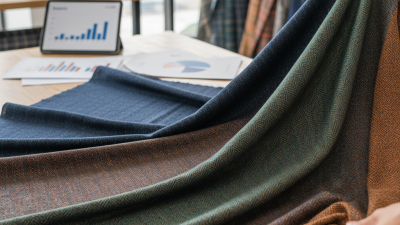
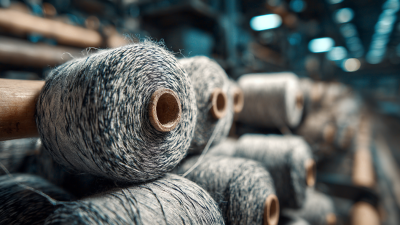
Yarn Dyed Fabric involves dyeing the yarn before weaving it, allowing for intricate patterns and vibrant colors that are resistant to fading. This technique results in fabrics that feel more luxurious and maintain their visual appeal over time. Whether for fashion design or interior decor, the investment in Yarn Dyed Fabric is often reflected in the quality and longevity of the finished product.
However, selecting the right fabric can be daunting. There are many options available, each with its pros and cons. It's essential to consider the specific needs of your project. While Yarn Dyed Fabric excels in color retention, it can also be more expensive than other types. This requires careful budgeting and planning. In the end, the choice of Yarn Dyed Fabric could profoundly impact your project's overall success and aesthetic.
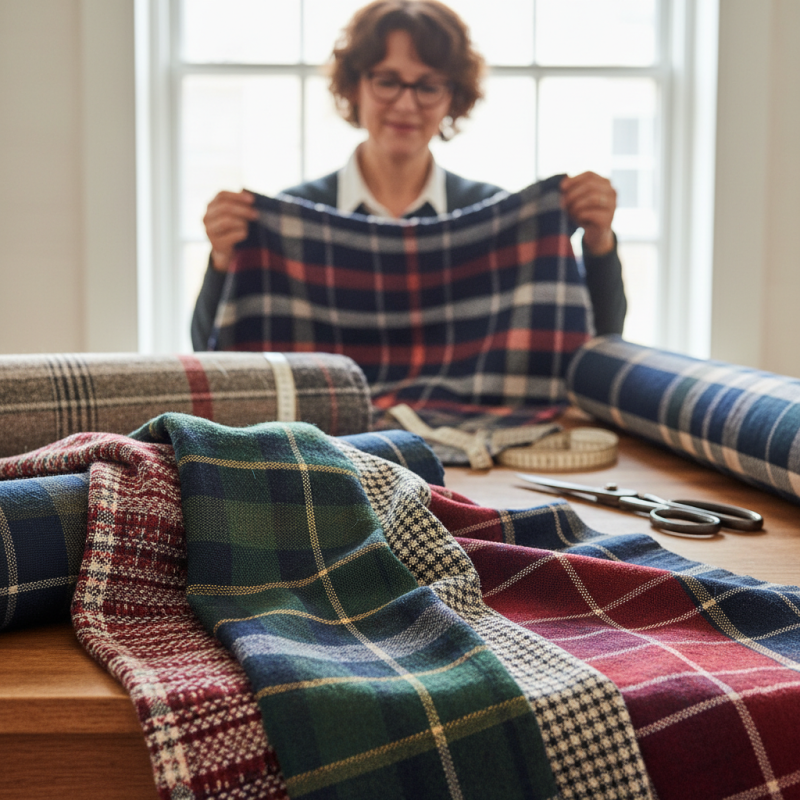
Benefits of Yarn Dyed Fabric in Fashion and Home Textiles
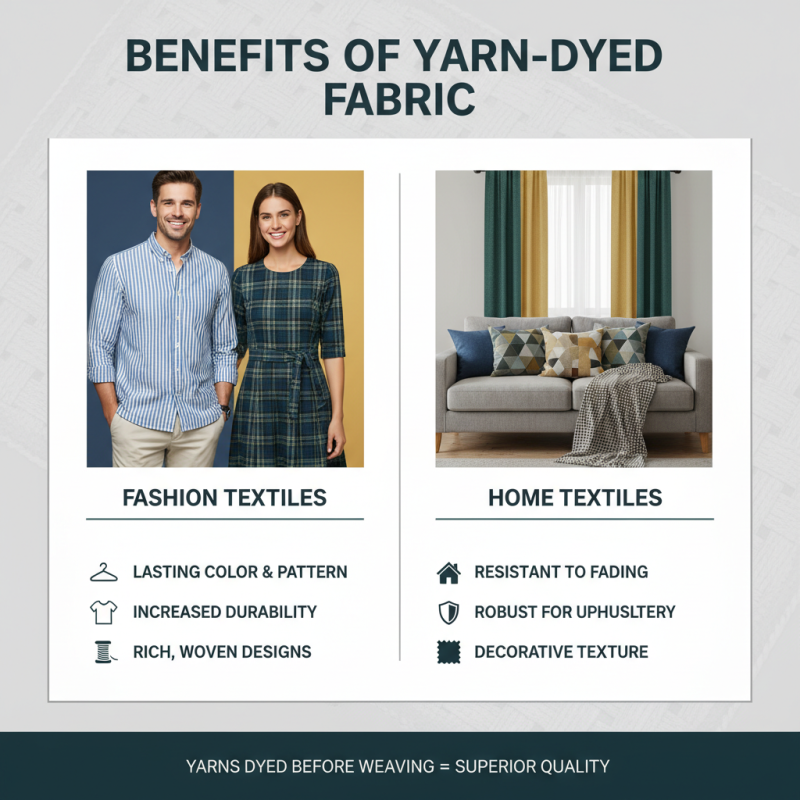
Yarn dyed fabric offers significant advantages for both fashion and home textiles. This type of fabric is created by dyeing the yarns before weaving, leading to vibrant colors and rich patterns that stand out. The color is embedded into the yarn itself, which means it holds up better over time compared to printed fabrics. This durability is crucial for items like upholstery or clothing that undergo regular wear.
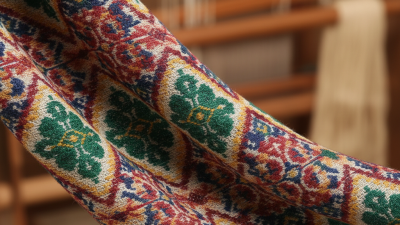
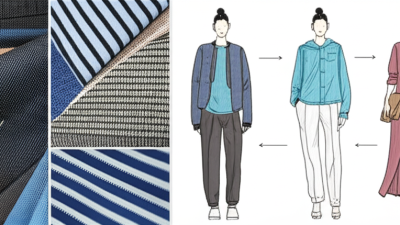
In fashion, the appeal of yarn dyed fabrics lies in their texture and complexity. Each weave tells a story. Patterns such as stripes or checks can vary greatly, making each piece unique. However, the production process can be more time-consuming, which may lead to higher costs. It's a trade-off for quality and unique aesthetics. In home textiles, yarn dyed fabrics offer similar benefits. They resist fading, ensuring that your decor retains its charm for years to come. The texture adds warmth and richness, transforming simple spaces into inviting rooms.
Deciding to use yarn dyed fabric also involves careful consideration. While they are durable and vibrant, the price point may not suit every project. Additionally, sourcing high-quality yarn dyed materials can be a challenge. We need to reflect on our choices and consider the long-term benefits versus immediate costs. This balance can make all the difference in achieving a successful project.
Comparative Analysis: Yarn Dyed vs. Printed Fabrics
When considering fabric options, yarn dyed and printed fabrics offer distinct characteristics. Yarn dyed fabrics have a unique depth and richness in color. They achieve this by dyeing the yarn before weaving. This method results in a fabric where colors are consistent throughout the fibers. In contrast, printed fabrics apply color on the surface after weaving. This often leads to fading over time, especially with repeated washing.
According to a report from the Textile World Association, yarn dyed fabrics have a 30% longer lifespan than their printed counterparts. This durability is crucial for garments that endure frequent wear. Additionally, yarn dyed fabrics provide superior fade resistance. This is a significant advantage for outdoor apparel. The composition of yarn dyed fabrics allows for a more sophisticated texture. This texture not only enhances the aesthetic appeal but also gives the fabric a luxury feel.
However, the production process of yarn dyed fabrics can be more time-consuming. It requires precision in dyeing and weaving. This complexity can lead to higher initial costs. While yarn dyed fabrics might seem costly upfront, their longevity and quality often justify the investment. Industry insights suggest that consumers increasingly prefer long-lasting options. They seek value in their purchases, indicating a shift towards durability over temporary trends.
Comparison of Yarn Dyed Fabric vs. Printed Fabrics
Durability and Colorfastness: Key Advantages of Yarn Dyed Fabrics
When considering fabric for your next project, yarn dyed fabrics stand out. Their durability is a significant benefit. According to the Textile Research Journal, yarn dyed fabrics can withstand over 100 wash cycles without noticeable fading. This endurance comes from dyeing the yarn before weaving, allowing colors to penetrate deeply. The result is a fabric that retains its vibrancy over time.
Colorfastness is another vital advantage of yarn dyed fabrics. A report from the American Association of Textile Chemists and Colorists reveals that these fabrics achieve a colorfastness rating of 4-5 on the grey scale. This level indicates excellent resistance to fading and bleeding. The careful dyeing process ensures that colors remain consistent, providing an appealing aesthetic for various uses.
However, not all yarn dyed fabrics are created equal. Factors such as the dyeing method and the type of fibers used can impact outcomes. Some may experience slight fading after heavy use. It is essential to consider these aspects when selecting yarn dyed fabrics for your projects. Ensuring quality can lead to better results and long-lasting satisfaction.
Sustainability Considerations in Yarn Dyed Fabric Production
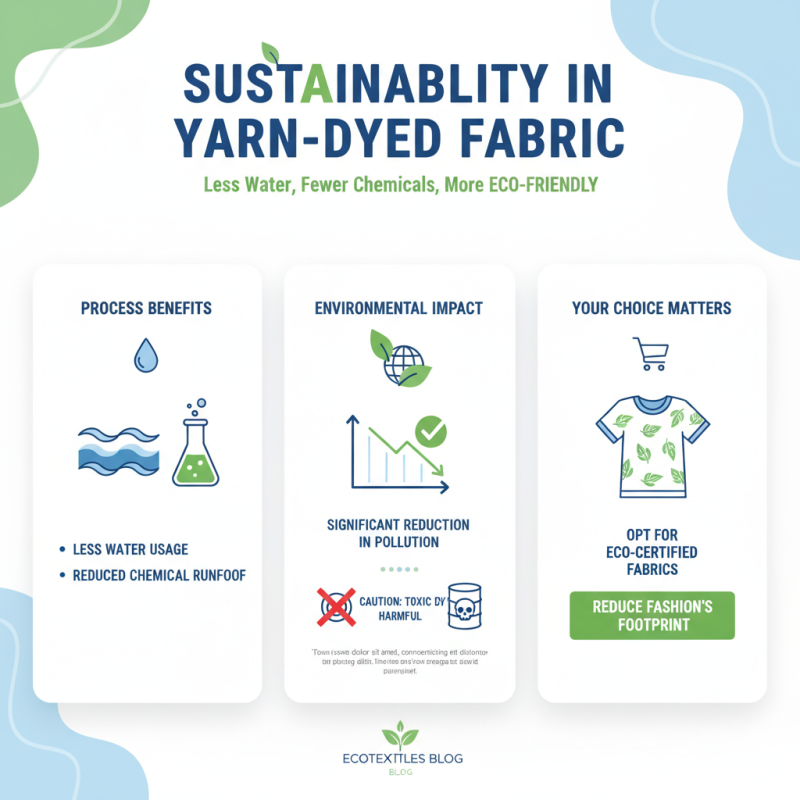
Yarn dyed fabric has gained popularity for its aesthetic appeal, but sustainability is a crucial aspect that deserves attention. The production process often involves less water and fewer chemicals compared to other dyeing methods. Choosing yarn dyed fabric can significantly reduce environmental impact. However, some practices still employ toxic dyes that can harm ecosystems.
Not all yarn dyed fabrics are created equally. Some manufacturers use organic fibers and natural dyes, promoting eco-friendliness. Others prioritize speed and cost, leading to questionable practices. Investigating the sources of raw materials and dyeing methods is essential. Transparency in production can guide responsible choices.
Sustainability in yarn dyed fabric is a journey, not a destination. Many companies are moving toward eco-conscious practices, yet there are still gaps. Assessing certifications and ethical standards can help identify reliable options. By making informed choices, consumers can support sustainable production while enjoying the unique qualities of yarn dyed fabrics.
Market Trends: The Growing Popularity of Yarn Dyed Textiles in 2023
Yarn dyed fabrics have surged in popularity during 2023. According to the Textile Market Research Report, global demand for yarn dyed textiles has increased by 15% this year. This trend reflects a growing consumer preference for high-quality, visually appealing fabrics. Many designers are drawn to the depth of color and texture that yarn dyed fabrics offer. This technique provides unique patterns that are often more vibrant than piece dyed alternatives.
A key factor in this growth is the sustainability movement. More consumers are seeking eco-friendly options. Yarn dyed fabrics typically use less water during production compared to traditional dyeing processes. This eco-conscious approach resonates with a wider audience, especially millennials. They prioritize brands that focus on sustainable practices.
Tips: When selecting yarn dyed fabrics, consider the end use. For clothing, lightweight options may be ideal. For home décor, opt for heavier materials. Be aware that colors can vary between batches, so plan accordingly. Choosing a versatile base color can enhance your design flexibility. Always request samples to assess how the fabric feels and drapes.
Why Choose Yarn Dyed Fabric for Your Next Project?
| Fabric Type |
Applications |
Market Trends (%) |
Key Benefits |
| Cotton Yarn Dyed |
Apparel, Home Textiles |
15% |
Breathable, Soft Texture |
| Wool Yarn Dyed |
Outerwear, Accessories |
10% |
Warmth, Durability |
| Polyester Yarn Dyed |
Sportswear, Upholstery |
25% |
Colorfast, Easy Care |
| Silk Yarn Dyed |
Evening Wear, Scarves |
8% |
Luxury Feel, Luster |
| Blended Yarn Dyed |
Fashion, Decorative Items |
20% |
Versatility, Unique Styles |