How to Source Recycled Pet Fabric for Sustainable Fashion?
Sourcing sustainable materials is vital for the fashion industry. Among these materials, Recycled PET Fabric has gained considerable attention. This eco-friendly fabric is made from recycled plastic bottles, offering a second life to waste while promoting sustainability.
Finding reliable sources for Recycled PET Fabric can be challenging. Brands must navigate various suppliers and ensure quality standards. It's important to research manufacturers who prioritize ethical practices. Transparency in sourcing is crucial, as consumers are increasingly aware of where their products come from.
While many companies claim to use recycled materials, verifying their practices can be complex. It's essential to evaluate certifications and conduct audits when possible. Engaging with suppliers directly can foster trust and reinforce a commitment to sustainability. Recognizing the imperfections in this supply chain narrows down issues and encourages constant improvement in sourcing practices.

Understanding Recycled PET Fabric and Its Benefits in Fashion
Recycled PET fabric, made from plastic bottles, has gained traction in sustainable fashion. This material reduces landfill waste and requires less energy than virgin polyester during production. Brands focusing on eco-friendly practices often turn to recycled PET due to its significant environmental benefits.
Using recycled PET in fashion supports a circular economy. It helps conserve resources and minimizes pollution. However, the process isn’t without challenges. Quality can vary, and not all recycled fabrics perform well compared to traditional options. Evaluating the source and manufacturing methods is essential for ensuring reliability.
While recycled PET offers a promising solution, it is crucial to consider its limitations. The industry needs continuous innovation to enhance fabric quality. Transparency in sourcing is vital for building trust with consumers. Embracing this material is a step toward sustainable practices, but it requires ongoing reflection and improvement in the fashion sector.
Identifying Reliable Suppliers of Recycled PET Fabric
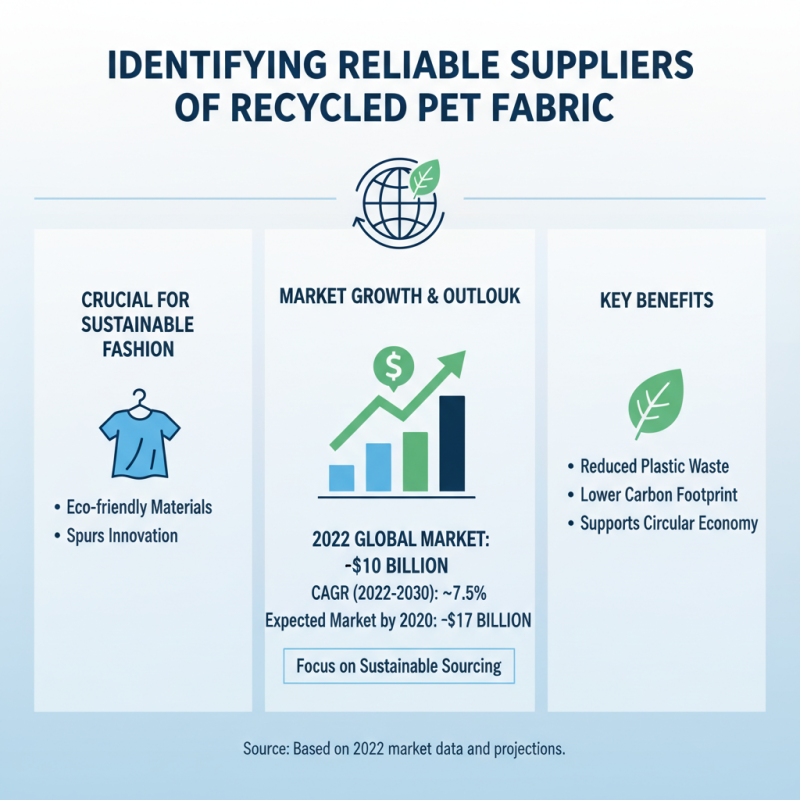
Identifying reliable suppliers of recycled PET fabric is crucial for sustainable fashion initiatives. The rise in demand for eco-friendly materials has spurred innovation. In 2022, the global recycled PET market reached roughly $10 billion, with an expected CAGR of around 7.5% until 2030. This growth highlights the increasing focus on sustainable sourcing.
However, sourcing recycled PET fabric is not straightforward. Transparency in the supply chain is often lacking. Brands need to conduct thorough vetting of suppliers. Checking certifications like Global Recycle Standard can provide some assurance about material authenticity. Yet, not all suppliers pursue these certifications, leaving room for unreliable sources to operate.
Building relationships with suppliers can be key. Regular communication fosters trust. Visiting production facilities can also create better partnerships. Despite the potential challenges, engaging with suppliers who prioritize environmental responsibility can lead to innovative and sustainable products. A few missteps in sourcing can lead to significant waste. Thus, careful consideration is necessary in every step of the procurement process.
Evaluating Quality and Sustainability Standards for Recycled Fabrics
When sourcing recycled PET fabric, assessing quality and sustainability standards is crucial. The Global Sustainability Textile Index indicates that recycled fabrics can reduce environmental impact by up to 60%. However, not all recycled PET fabrics are created equal. Factors such as the source of the plastic, production methods, and certification can greatly affect overall sustainability.
Look for certifications such as Global Recycle Standard (GRS) and Global Organic Textile Standard (GOTS). These ensure responsible sourcing and environmental protection. For instance, a study showed that companies using GRS-certified fabrics reported a 50% reduction in carbon emissions. This highlights the importance of verifying sources. It's essential to conduct proper due diligence.
Quality is another critical aspect. Not all recycled fabrics perform adequately in terms of durability and texture. Some may lack the softness or breathability often associated with traditional textiles. Evaluate samples for wear and tear resistance. It's important to strike a balance between sustainability and practicality, leading to deeper reflections on the current market offerings.
Recycled PET Fabric: Quality and Sustainability Standards
Exploring Cost Considerations for Sourcing Recycled PET Materials
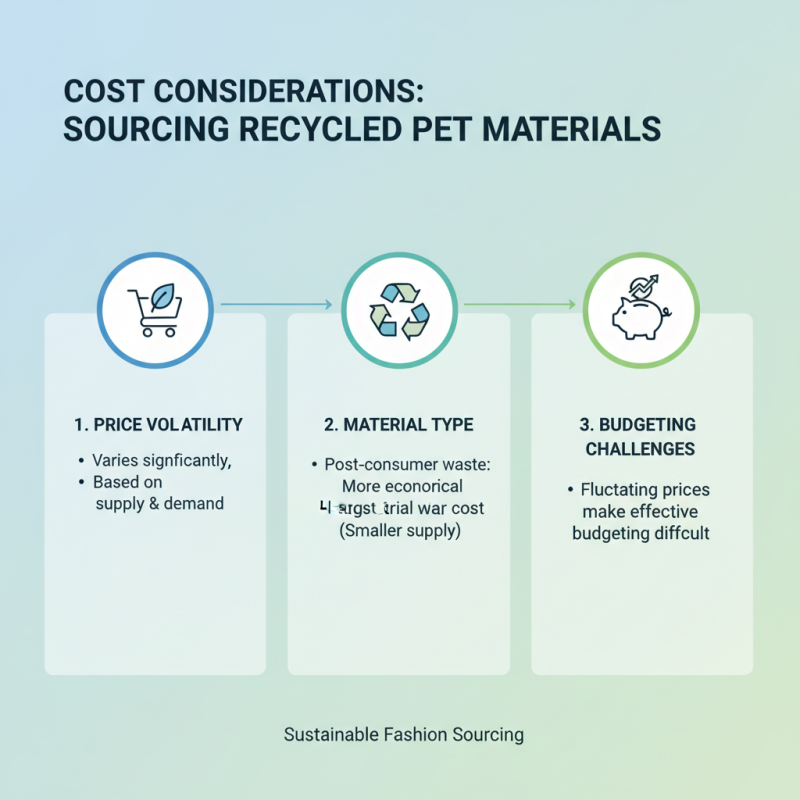
Sourcing recycled PET fabric for sustainable fashion involves careful consideration of costs. The price of recycled materials can vary significantly based on availability and demand. Materials sourced from post-consumer waste might be more economical than those from industrial waste due to larger supply chains. However, prices can fluctuate, making it challenging for brands to budget effectively.
Transparent pricing from suppliers is crucial. Brands should request detailed quotations, understanding the breakdown of costs, including production and shipping. Additionally, engaging with multiple suppliers can provide a better context of market rates. Negotiating longer-term contracts might also yield cost benefits.
While cost is a primary concern, quality cannot be compromised. Some recycled fabrics may have durability issues. Testing samples before making large orders can help ensure the fabric meets both aesthetic and functional requirements. Brands must be willing to assess their choices critically, balancing sustainability goals with the need for competitive pricing.
Implementing Best Practices for Integrating Recycled Fabrics into Collections
Incorporating recycled PET fabric into fashion collections requires intentional strategies. Research shows that around 8 million tons of plastic waste ends up in oceans each year. This alarming statistic highlights the importance of sustainable sourcing practices. Brands can significantly reduce their environmental footprints by integrating recycled materials.
Implementing best practices starts with supplier partnerships. Building relationships with suppliers who specialize in recycled fabrics is vital. These suppliers should provide transparency about their sourcing processes. It's crucial to verify their certifications and eco-labels. Reports indicate that using recycled polyester can cut energy consumption by up to 70%. However, not all suppliers meet these standards, making due diligence essential.
Moreover, designers must embrace education about recycled fabrics. Workshops and training sessions are effective for team development. Yet, many brands hesitate to invest the necessary time and resources. The fashion industry faced a challenge in adapting to material innovation. As the demand for transparency increases, the industry must shift. A sustainable future demands that brands prioritize recycled materials and refine their practices.