10 Tips for Buying Recycled Polyester Fabric
Polyester is the workhorse of modern textiles, appearing in everything from lightweight linings to durable outdoor jackets. Textile Exchange’s Materials Market Report 2024 estimates that polyester made up 57% of global fiber production in 2023. Recycled polyester accounted for about 12% of polyester production. Those figures show why recycled content matters, but they do not tell you how a particular fabric will perform.
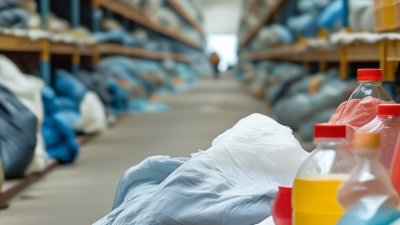
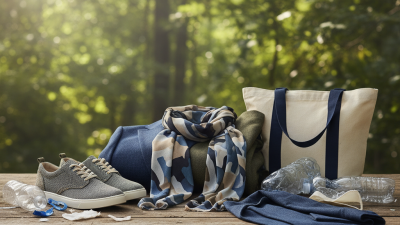
Details matter. Recycled Polyester Fabric can be made from different feedstocks, including discarded plastic bottles and textile waste. Ask suppliers to identify the source and provide credible certification or chain-of-custody documentation. A recycled-content claim alone does not guarantee traceability, consistent quality, or suitability for your product. That distinction is easy to miss.
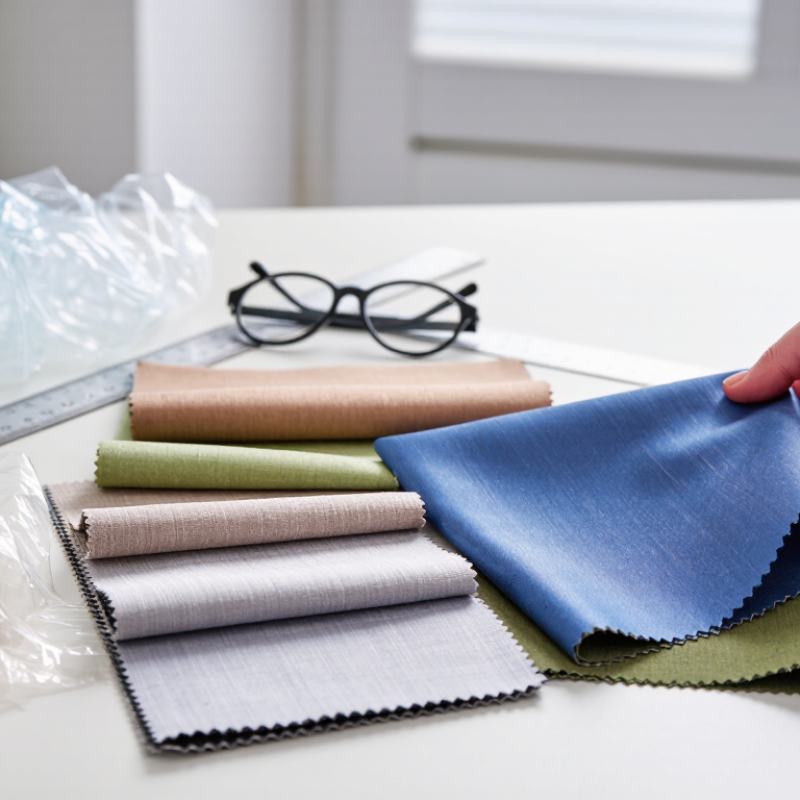
Before placing an order, inspect a physical swatch under natural light. Check its hand feel, color consistency, stretch recovery, surface pilling, and weight. Ask for test results relevant to the end use, such as abrasion resistance or dimensional stability after washing. Confirm the fabric construction, finishing details, minimum order quantity, lead time, and available color options. Small differences can matter. A soft sample may still snag, pill, or lose shape after repeated wear. The ten tips below offer a practical way to compare suppliers, verify claims, and choose recycled polyester fabric with fewer surprises.
Identify Your Fabric Needs and Intended Use
Before buying recycled polyester fabric, define the job it must do. A lightweight lining needs different drape and abrasion resistance than a backpack panel or sports top. Note the expected stretch, weight, hand feel, color, and care routine. Will it face sunlight, repeated washing, or rubbing against skin? These details narrow your options more reliably than “recycled” on a specification sheet. Small but important.
Tip: Request a swatch and test it under realistic conditions. Wash it, stretch it, and rub it against a rough seam. A fabric that feels right in your hand may behave differently after laundering.
Match construction to use. Knitted fabrics often suit flexible garments; tightly woven options may work better for bags or outer layers, depending on the finish. Ask suppliers for fabric weight, composition, stretch recovery, and test methods—not just broad performance claims. Textile Exchange’s Materials Market Report 2024 estimates polyester made up 57% of global fiber production in 2023, while recycled polyester represented about 12% of polyester production. Those figures show its scale, not whether a particular fabric suits your product. I still find this easy to overlook: recycled content alone says little about durability or comfort. Check documentation for recycled-content claims, then compare samples before placing a large order.
Check the Recycled Content and Its Certification
10 Tips for Buying Recycled Polyester Fabric
Check the Recycled Content and Its Certification
Ask for the recycled-content percentage by weight, not just “made with recycled polyester.” Textile Exchange’s Materials Market Report 2024 estimates recycled polyester made up about 12% of global polyester production in 2023; 98% of it came from recycled PET bottles. These figures make sourcing details worth checking. Request the certificate number, issuing body, validity dates, and product or facility scope. Compare them with the fabric invoice and batch records.
Look for a recognized chain-of-custody standard, such as the Global Recycled Standard or Recycled Claim Standard, and confirm what each document covers. A certificate may cover a facility without confirming the specific lot you are buying. Ask for transaction or shipment records where available. Check whether the content is pre-consumer or post-consumer, and whether the stated percentage applies to the finished fabric or just its yarn. Small details matter. A tidy certificate pack can still contain a batch-code mismatch. That alone does not prove a problem, but it is a reason to pause, ask questions, and keep written records.
Compare Suppliers, Pricing, and Minimum Order Sizes
When comparing recycled polyester fabric suppliers, request quotes against one written specification: fiber composition, weight, width, finish, color, and testing requirements. A 150 gsm knit and a 150 gsm woven fabric are not interchangeable. Ask each supplier to state documentation for recycled content, sample costs, production lead time, and shipping terms. Small details matter.
Compare total landed cost, not just price per meter. Setup, dyeing, testing, packaging, and freight can change the final figure. Ask for prices at several quantities, such as 300, 1,000, and 3,000 meters. Then check whether each price break justifies holding extra inventory. Keep the quotes in one spreadsheet. Easy to overlook.
Minimum order sizes deserve equal attention. A low minimum may suit a trial, but surcharges or limited color choices can erase the savings. Ask whether the minimum applies per color, fabric construction, or total order. Request sample yardage and confirm its shade and hand feel before committing. I would not rank suppliers by price alone; clear answers and explanations of variation matter too. Comparisons are imperfect: one quote may include a finish that another excludes. Confirm assumptions in writing, then reassess after reviewing the sample.
10 Tips for Buying Recycled Polyester Fabric: Compare Suppliers, Pricing, and Minimum Order Sizes
Typical planning ranges by purchasing route. Minimum order quantities vary by fabric construction, color, finish, and stock availability.
Indicative benchmarks: Stock distributors often accept smaller orders, while mill production and custom dyeing or finishing usually require larger commitments. Fabric pricing can range roughly from $3–$8 per meter for common recycled polyester fabrics, depending on weight, construction, certification, order volume, and finishing. These are broad planning estimates, not supplier quotes; request current written quotations and confirm the MOQ for the exact specification.
Review Samples and Confirm Purchase Details
Request a physical sample before approving recycled polyester fabric. Screen colors can be misleading. Check the swatch in daylight and under the lighting used in your workspace. Compare its color, hand feel, thickness, and surface texture with your intended product. Keep the swatch.
Ask for the fabric weight in grams per square meter, usable width, yarn or weave details, and any stretch or finish. If the fabric will be dyed or printed, request a sample with the intended treatment. A plain swatch may feel quite different after finishing. Note any requirements for recycled-content documentation, and confirm what records the supplier can provide. Do not assume a general description verifies a specific material claim.
Before placing an order, confirm the approved sample reference, color tolerance, quantity, minimum order, price, lead time, and delivery terms in writing. Ask whether bulk production may vary in shade or weight, and how defects or shortages are handled. Keep dated photos and a labeled sample with your order records. I would also check shrinkage and colorfastness if the fabric will be washed often. Testing adds time and cost, but skipping it can create a larger problem later. Bulk fabric may not match perfectly; agreeing on acceptable tolerances helps prevent surprises.