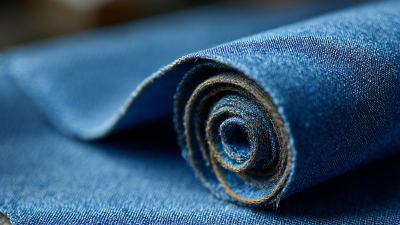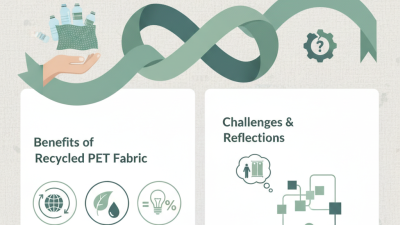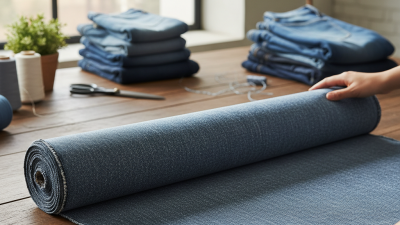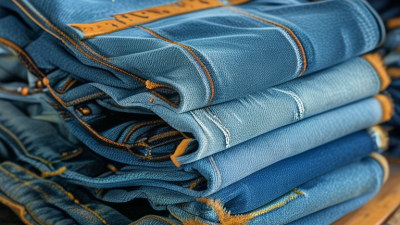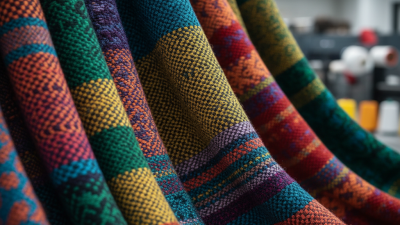
As sustainability becomes a vital focus in fashion, choosing the right materials is essential. Recycled Denim Fabric stands out as an innovative choice. It utilizes post-consumer waste, reducing environmental impact. This fabric not only helps in waste reduction but also promotes a circular economy in the fashion industry.
Selecting recycled denim requires careful consideration. Many options exist, yet quality varies widely. You must be aware of the sourcing and processing of the fabric. Factors like dyeing methods and durability are crucial. They can affect the garment’s lifespan and overall quality.
While recycled denim offers numerous benefits, it may not always meet high fashion demands. Sometimes, the textures or colors may fall short of expectations. Awareness and scrutiny are necessary when making your choice. Ultimately, informed decisions lead to more responsible fashion practices.
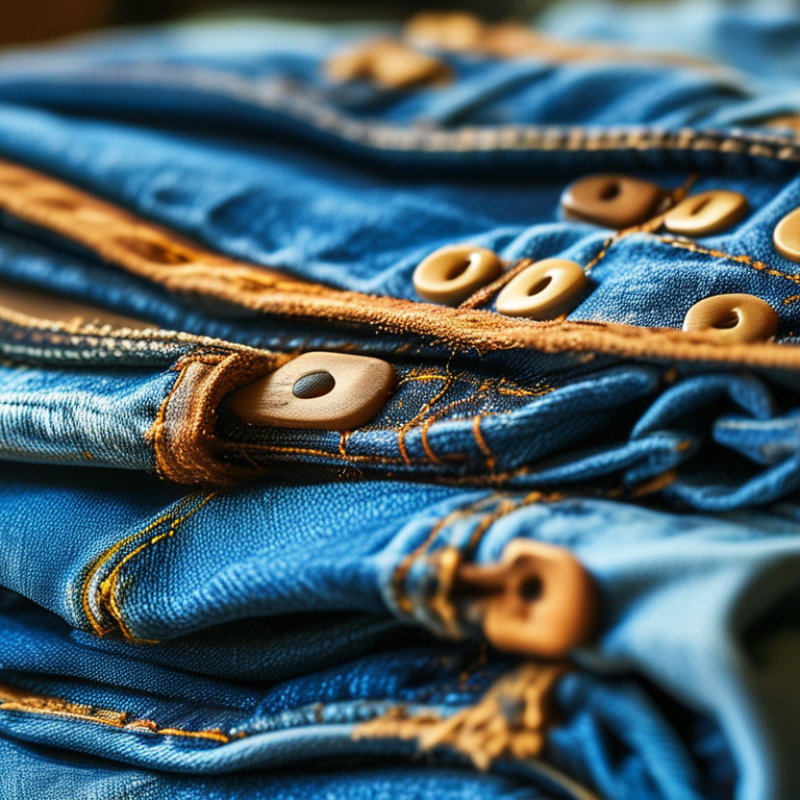
Recycled denim fabric is gaining attention in the sustainable fashion realm. This fabric, made from pre-consumer and post-consumer recycled materials, significantly reduces waste. According to a study by the Sustainable Apparel Coalition, producing recycled denim can save up to 90% of the water typically used in conventional denim manufacturing. This data illustrates the potential impact on environmental conservation.
The environmental benefits extend beyond water savings. Recycling denim helps divert textile waste from landfills. In the U.S. alone, textile waste is estimated at 17 million tons annually. A shift towards recycled materials can address this pressing issue. However, challenges remain. Not all recycling processes guarantee high-quality fabric. Inconsistent material quality can lead to increased waste in production.
Sustainable practices in denim production also reduce carbon emissions. The Global Fashion Agenda reports that a significant reduction in greenhouse gases is achievable by switching to recycled materials. Yet, the inconsistent availability of recycled fibers poses a hurdle. Commitment from the industry is necessary to ensure a steady supply chain. The journey towards widespread use of recycled denim is complex but essential for a greener future.
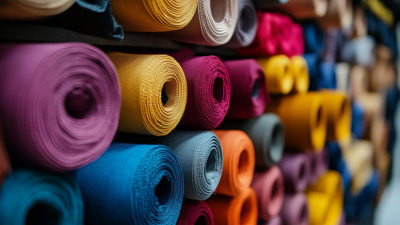
When evaluating recycled denim fabric, quality is paramount. Look for sturdy materials that feel substantial in hand. A good piece should have a pronounced texture, offering durability without compromising comfort. Inspect for consistent color and weave. Inconsistencies may signal lower quality, impacting the lifespan of the garment.
Another crucial factor is the environmental impact. Sustainable practices in the recycling process usually enhance fabric quality. Seek out pieces that mention eco-friendly manufacturing. Certifications can highlight a commitment to sustainability. However, be cautious of labels that lack clear documentation. Some fabrics appear promising but may not meet genuine sustainability standards.
Every recycled denim fabric has its own story. While imperfections can reflect authenticity, they should not detract from quality. Small flaws could add character, but they can also indicate a lack of care during production. Reflect on what you prioritize. Sometimes, a perfect finish is sacrificed for sustainable methods. Navigating this balance can be complex, but it’s essential to your fashion choices.
When sourcing recycled denim fabric, identifying reliable suppliers is crucial for sustainable fashion. According to a report by the Ellen MacArthur Foundation, the textile industry significantly contributes to environmental issues. In fact, it’s estimated that denim production can require up to 7,000 liters of water per pair. With recycled options, brands can help reduce waste and water usage.
To find trustworthy suppliers, consider attending industry trade shows and networking events. These venues often showcase innovative materials and connect designers with producers. Additionally, online platforms focusing on sustainable textiles can provide valuable resources. However, not all suppliers verify their claims, leading to potential greenwashing. Look for certifications, such as Global Recycled Standard, which ensures transparency in sourcing practices.
Another aspect to reflect on is the supply chain’s environmental impact. Although many suppliers offer recycled denim, tracking the sourcing journey can be complex. Brands must engage actively in verifying supplier claims. Familiarizing oneself with the unique properties of recycled denim can strengthen decision-making. Remember, not all recycled denim meets the same quality standards or durability expectations.
| Tip | Description | Sourcing Options | Additional Notes |
|---|---|---|---|
| 1. Check for Certifications | Look for certifications that indicate sustainable practices. | Global Recycled Standard, OEKO-TEX | Ensure supplier is reputable and verified. |
| 2. Evaluate Fabric Quality | Assess durability and comfort of the recycled denim. | Supplier samples, fabric testing | Perform wear tests for real-world applications. |
| 3. Consider Dyeing Processes | Select fabrics dyed with eco-friendly methods. | Supplier info on dyeing | Look for low-impact dyes. |
| 4. Understand Recycling Processes | Know how the denim is recycled and its environmental impact. | Supplier documentation | Transparency is key. |
| 5. Look for Local Suppliers | Sourcing locally reduces carbon footprint. | Local trade shows, directories | Support community businesses. |
| 6. Inquire About Minimum Orders | Check for minimum purchase requirements. | Supplier terms and conditions | Negotiate if possible. |
| 7. Assess Delivery Times | Ensure timeline meets production schedules. | Supplier production timelines | Plan ahead. |
| 8. Research Reputation | Look for reviews and testimonials about suppliers. | Online forums, B2B reviews | Trustworthy suppliers are important. |
| 9. Ask About Innovations | Inquire about any new technologies in recycling. | Supplier R&D announcements | Stay on the cutting edge. |
| 10. Evaluate Price vs Value | Balancing cost and quality is essential. | Supplier pricing sheets | Quality can justify higher prices. |
When selecting recycled denim fabric for sustainable fashion, color and texture play a vital role in shaping your project's aesthetic. According to a report by the Global Fashion Agenda, recycled materials in fashion can reduce water usage by 95%. This highlights the importance of not only choosing sustainable sources but also understanding how color choices affect perception. Softer, pastel shades may evoke tranquility, while vibrant blues can suggest energy and creativity.
Texture is equally important. Different weaves can convey distinct feelings and styles. A rugged, coarse texture might appeal to a more casual, earthy vibe. Conversely, a smooth, refined finish can lend an air of sophistication. According to the Fashion Institute of Technology, tactile impressions can influence purchasing behavior by up to 70%. Considering the texture helps create a product that resonates more profoundly with consumers.
It's essential to reflect on the balance between aesthetics and sustainability. Many designers find themselves grappling with the limitations of recycled materials. The inconsistency in dye lots or fabric quality can lead to unexpected challenges. Embracing these imperfections often yields innovative designs that tell a story. As sustainable fashion continues to evolve, the journey of choosing recycled denim becomes a deliberate act of creativity and conscience.
Caring for recycled denim is essential for longevity and style. Washing in cold water helps retain color and reduces shrinkage. Skip the dryer; air-dry your items instead. This method is gentler on the fabric and the environment.
Stains happen; don’t panic. Spot-clean with mild soap and water. For tougher stains, consider natural alternatives like vinegar. Avoid harsh chemicals, as they can weaken the fibers. Also, be mindful of fading. Sometimes, a faded look is charming, but it’s important not to over-wash.
Regular maintenance includes checking for wear and tear. Look for frayed seams or loose threads. Fixing small issues early can extend the life of your denim. Embrace natural wrinkles; they tell a story. Understand that recycled denim may require a different approach than traditional fabrics. With proper care, your pieces can remain a staple in your wardrobe.