Micro Fabric describes a family of finely constructed fabrics, often made with very small synthetic or natural fibers. The term is used broadly, so it does not identify one fixed fiber, weave, or performance standard. A soft microfiber cleaning cloth, a lightweight jacket lining, and a tightly woven upholstery fabric can all be described as “micro” fabrics—yet they behave quite differently. The label alone tells you little. Fiber content, yarn structure, fabric density, and finishing all matter.
The scale of textile production makes those details important. Textile Exchange’s Materials Market Report 2024 estimates that global fiber production reached 124 million tonnes in 2023; polyester accounted for about 57 percent. That figure is not a measure of Micro Fabric production, but it shows why understanding fabric composition matters. Synthetic fibers can offer durability and quick drying, while some fabrics may release fibers during washing. Dr. Kelly Sheridan of The Microfibre Consortium has emphasized a useful principle, paraphrased here: “Fiber shedding depends on the fabric system, not just the material name.” A practical example: two polyester shirts may feel similar on a hanger, yet differ in surface texture, airflow, and care needs. Small differences. Real consequences.
This guide explains what Micro Fabric means, how it is made, and where it is used, from cleaning textiles to clothing and home furnishings. It also looks at benefits and trade-offs, including comfort, durability, maintenance, and potential fiber shedding. The terminology can be imprecise; that is worth keeping in mind when comparing products. Check the fiber label and care instructions, not only the marketing name.
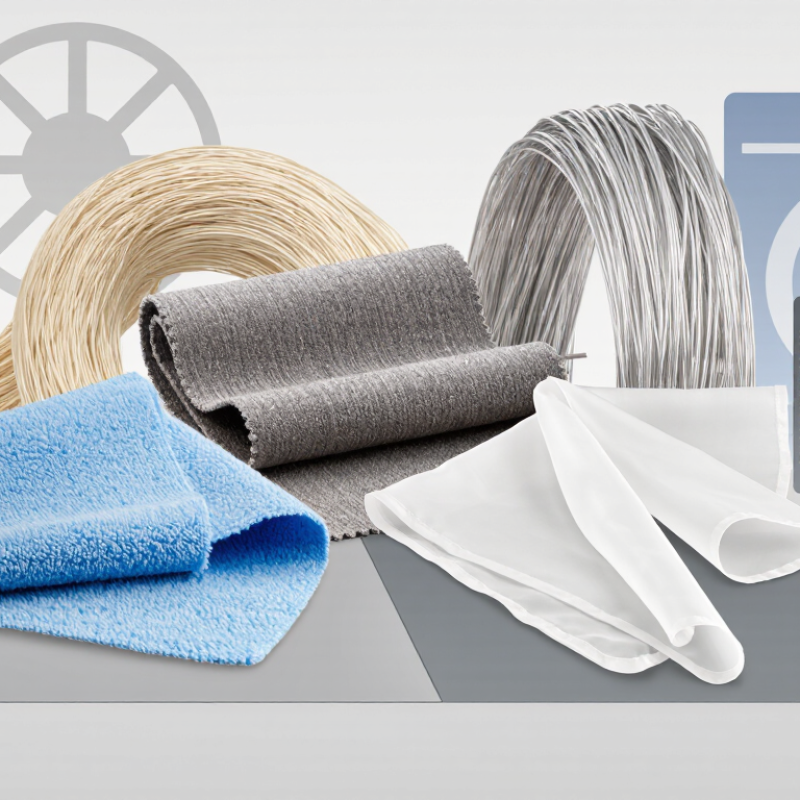
Micro fabric usually means a textile made from exceptionally fine filaments, often polyester, polyamide, or a blend. “Microfiber” is a common term, but labels vary, and the wording does not guarantee one exact fiber size or construction. The name can be fuzzy. Fine filaments can create a soft hand and a large surface area for their weight. Depending on the weave or knit, the material may feel smooth, drape lightly, or have a brushed surface. A close look may show a dense, even texture rather than obvious individual threads.
Making it starts with melting or preparing polymer, then pushing it through tiny openings in a spinneret to form continuous filaments. Some processes create fibers so fine that later steps split or separate them into smaller strands. Manufacturers then draw the filaments to strengthen them and arrange them into yarn. The yarn is woven or knitted, dyed, and finished; brushing or heat-setting can change its feel and stability. Small changes in fiber blend, yarn tension, and finishing can produce noticeably different fabrics. That matters. I would not treat “micro fabric” alone as a technical guarantee: check the fiber content and fabric construction when comparing materials. A soft surface, for example, does not automatically mean the fabric is durable or breathable.
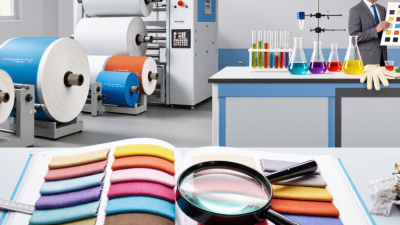
Micro fabric is a descriptive term, not one single fiber or construction. It often refers to fine-filament polyester or polyamide fabric, sometimes blended with elastane for stretch. Textile terminology commonly defines microfiber by its very fine linear density, though labeling practices can vary. A small caveat: “micro” on a product label does not always tell you the exact fiber size or weave. Check the fiber content and fabric specification.
Material choice changes how the cloth feels and performs. Polyester is common for quick-drying, lightweight fabrics; polyamide can feel softer and resist abrasion. Textile Exchange’s Materials Market Report 2024 estimates that global fiber production reached 124 million tonnes in 2023, with polyester accounting for about 57 percent. That figure describes the wider textile market, not micro fabrics alone. Structure matters too. Plain weaves feel smooth and hold their shape; twill adds a subtle diagonal grain. Jersey knits stretch easily, while interlock knits feel thicker and more stable. Brushing can create a soft, peach-like surface. It is not magic: heavy brushing may change the surface over time. These structures suit activewear, linings, cleaning cloths, and lightweight jackets, depending on the finish and intended use.
Micro fabric usually means cloth made from extremely fine synthetic filaments, often polyester or polyamide. The fine yarns can create a smooth surface, light drape, and close, even texture. In split-fiber designs, tiny channels help draw moisture and trap dust. Not every micro fabric has split fibers, though; construction matters.
Textile Exchange’s Materials Market Report 2024 estimates global fiber production reached 124 million tonnes in 2023, with polyester accounting for 57%. That figure describes the wider fiber market, not micro fabric alone, but it shows why polyester properties matter. Fine filaments can dry quickly and resist creasing, while dense weaves may feel less airy in warm weather. A soft hand is not proof of quality. Check the fabric weight, weave, and intended use. These details are easy to overlook.
Tips: For cleaning cloths, use a slightly damp piece and rinse it often. For clothing, test breathability against your skin before buying. Micro fabrics can also release tiny fibers during washing, so use cooler cycles and avoid unnecessary laundering. Simple habits help.
| Property or Feature | What It Means | Why It Matters | Common Uses |
|---|---|---|---|
| Fine fiber size | Microfiber is generally made from fibers finer than 1 denier per filament. It is commonly produced from polyester, polyamide, or a blend of the two. | Fine filaments can be woven or knitted into lightweight fabrics with a soft, smooth hand. | Clothing, bedding, upholstery, cleaning cloths, and accessories. |
| Softness and drape | The fine fibers can create a smooth surface and a flexible fabric that drapes readily. | Offers a soft feel without necessarily requiring a thick or heavy fabric. | Linings, shirts, dresses, blankets, and soft furnishings. |
| Lightweight construction | Microfiber fabrics can be made with low fabric weight, depending on yarn, weave, and finishing. | Useful where reduced bulk is desirable; actual weight varies by fabric construction. | Travel clothing, lightweight jackets, bedding, and compact towels. |
| Moisture behavior | Many polyester-based microfibers absorb little moisture into the fiber itself. Fabric construction and finishes affect how quickly moisture spreads or evaporates. | Can support quick-drying designs, but microfiber is not automatically moisture-wicking or waterproof. | Activewear, quick-drying towels, and outdoor clothing, when designed for those functions. |
| Surface area | Fine filaments provide a large total surface area for a given fabric mass. Split-fiber constructions can create especially fine surface structures. | Helps cleaning cloths pick up and hold dust, oils, and small particles; results depend on cloth design and use. | Reusable cleaning cloths, dusting cloths, and some filtration materials. |
| Durability | Strength and wear life depend on fiber type, yarn quality, fabric construction, and finishing. | Some microfiber fabrics resist everyday wear well, but abrasion, snagging, and pilling performance vary. | Upholstery, bags, clothing, and frequently used household textiles. |
| Easy-care potential | Many synthetic microfiber fabrics are machine washable and dry relatively quickly, subject to the care label. | Convenient for regular-use items; high heat can damage or deform some synthetic fabrics. | Everyday apparel, bedding, washable covers, and cleaning textiles. |
| Breathability | Airflow depends mainly on fabric thickness, density, knit or weave, and any coatings—not fiber fineness alone. | Microfiber can be made breathable or relatively wind-resistant through different constructions. | Garments, linings, bedding, and outer layers designed for specific airflow needs. |
| Water resistance | Microfiber itself does not mean waterproof. Water resistance generally requires a suitable tight construction, coating, or finish. | Check the product specification when protection from rain or spills is important. | Some jackets, bags, upholstery, and protective covers when specially treated or constructed. |
| Care considerations | Follow the garment or textile care label. For cleaning cloths, avoid fabric softener when the goal is to preserve absorbency and cleaning performance. | Care requirements differ by fiber blend, finish, and intended use. | Home laundering and maintenance of clothing, towels, and cleaning cloths. |
| Environmental considerations | Synthetic microfiber textiles can release small fibers during washing. Release levels vary with fabric and laundering conditions. | Using textiles longer and washing only when needed can reduce wear and laundering frequency. | Relevant to all synthetic microfiber garments and household textiles. |
| Important distinction | “Microfiber” describes fine fibers, not one specific fabric weight, weave, finish, or performance level. | Compare composition, construction, finish, and care instructions rather than relying on the name alone. | Useful when choosing clothing, upholstery, bedding, or cleaning products. |
Where Micro Fabric Is Used
Micro fabric often refers to textiles made from very fine fibers, commonly polyester or a blend with polyamide. The exact feel and performance depend on the fiber mix and how the fabric is woven or knitted. In clothing, it appears in lightweight sportswear, linings, and soft base layers. Its fine construction can make garments feel smooth and dry quickly after washing. That matters during a long walk or a warm workout. Still, “breathable” does not mean every micro fabric feels cool; dense weaves can hold heat.
At home, micro fabric is used for sofa covers, cushion covers, bedding, and cleaning cloths. On upholstery, its soft surface can suit busy rooms, though texture and color affect how marks show. A small test on an unseen area is sensible before cleaning. Microfiber cloths are also useful for wiping glass, screens, and countertops because their fine fibers can pick up dust and residue. Not magic. Too much detergent or fabric softener may reduce a cloth’s usefulness, so check the care label and rinse it well. Some fabrics still need frequent washing, and that can be easy to overlook.
Micro fabric is made from extremely fine fibers, often polyester or nylon, woven or knitted into a soft, dense surface. Its care needs depend on the fiber blend and finish, so check the garment or upholstery label before cleaning.
For everyday dust, use a soft brush or vacuum attachment. Blot fresh spills with a clean cloth; rubbing can push residue deeper or roughen the nap. Small details matter.
Tips: Test cleaners on a hidden spot first. Use mild detergent and cool water when the care label allows. Avoid high dryer heat, which can damage fibers or change the fabric’s feel. Air-drying is often gentler.
Micro fabric can handle regular use, but it is not indestructible or automatically stain-proof. Seams and high-contact areas may show wear, and some surfaces attract lint or develop pills. Oils can leave marks, while dense weaves may feel warm or less breathable in hot weather.
Not always. It is easy to assume a soft, tightly woven fabric will resist every mess; that expectation can lead to harsh scrubbing and avoidable damage. Check the construction and care instructions, and consider how the fabric feels against skin before choosing it for daily use.