Wholesale Silk Satin Fabric for Global Buyers Made in China
In the global textile market, the demand for high-quality Silk Satin Fabric is noteworthy. This luxurious fabric is favored for its softness and luster. Recent industry reports indicate that the silk fabric market is projected to grow at a rate of approximately 6% annually. China remains the leading supplier, dominating approximately 30% of the global market share in silk production.
However, challenges persist in maintaining quality standards. Not all manufacturers deliver consistent results. Buyers often face difficulties identifying reliable suppliers. This has led to a growing need for better sourcing strategies and transparency in the silk supply chain. It’s essential to thoroughly vet suppliers to ensure sustainability and ethical practices.
The allure of Silk Satin Fabric is undeniable. Its use in fashion, upholstery, and accessories reflects its versatility. Yet, the industry must confront issues such as counterfeiting and environmental impacts. Addressing these issues can enhance consumer trust and quality assurance. Moving forward, the focus should be on innovation and responsible sourcing.
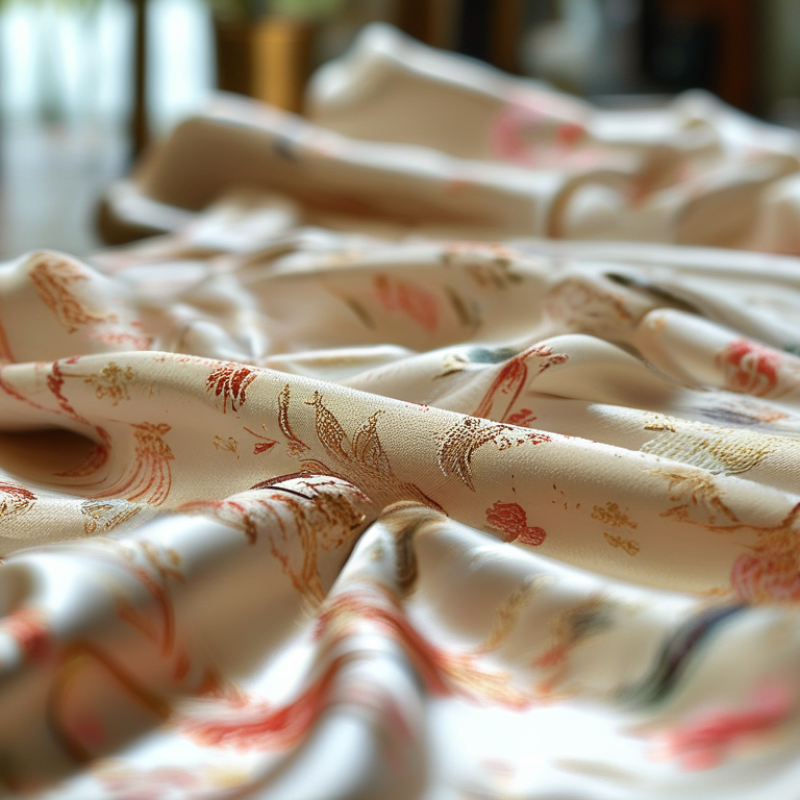
Wholesale Silk Satin Fabric: An Overview of Global Availability
Wholesale silk satin fabric has gained significant traction in the global marketplace. Reports indicate that the silk fabric market is expected to grow at a compound annual growth rate (CAGR) of 4.5% through 2027. This surge is attributed to increased demand for high-quality textiles across fashion and home decor sectors. Countries like China dominate this industry, supplying a substantial portion of the world's silk satin fabric. This availability opens doors for global buyers looking for reliable and luxurious materials.
When sourcing silk satin fabric, consider the quality and weight. Different types of silk satin vary in feel and durability. According to industry experts, 16mm and 19mm fabrics are commonly favored for garments, while heavier grades work well for upholstery.
Tip: Always request swatches before making bulk purchases. This ensures you are satisfied with the texture and color.
While the availability of silk satin is extensive, it is crucial to note that not all suppliers guarantee quality. Some lower-quality alternatives may not meet your expectations.
Tip: Research and verify supplier credentials. Look for trading partners with a solid history of reliability.
Maintaining a critical mindset will help you navigate the silk satin fabric market effectively. Seek out reputable suppliers who prioritize ethical production practices. This approach not only supports manufacturers but also ensures your purchases have a positive impact.
Key Characteristics of Silk Satin Fabric and Its Benefits
Silk satin fabric is a luxurious material known for its smooth texture and sheen. With a weight typically ranging from 100 to 150 grams per square meter, it drapes beautifully. A report from the Textile Industry Research Center indicates that silk has a higher tensile strength than steel, which adds durability to its soft feel. This unique combination of strength and softness makes silk satin ideal for clothing and home décor.
The benefits of silk satin are numerous. It is hypoallergenic, which makes it suitable for sensitive skin. According to a survey by Fabric Insights, 72% of consumers prefer fabrics that are gentle and non-irritating. Silk satin is also moisture-wicking, helping to regulate body temperature. This feature is prized by those who wear evening gowns or luxury sleepwear. However, care instructions can be a downside; silk often requires dry cleaning to maintain its quality.
*Tip: For last-minute projects, consider purchasing pre-cut silk satin. It saves time and reduces waste.*
Silk satin adds a touch of elegance to any wardrobe or living space. Yet, sourcing quality silk at wholesale prices can be challenging. A study found that approximately 65% of buyers struggled to find reliable suppliers. This highlights the importance of selecting reputable manufacturers. When exploring options, prioritize suppliers who guarantee quality and transparency in their production processes.
Wholesale Silk Satin Fabric for Global Buyers Made in China
| Characteristic |
Details |
| Fabric Weight |
100-130 GSM |
| Composition |
100% Silk |
| Texture |
Smooth and Lustrous |
| Breathability |
Highly Breathable |
| Color Fastness |
Excellent Color Retention |
| Uses |
Dresses, Lingerie, Linings |
| Care Instructions |
Dry Clean Only |
China's Role in the Global Silk Satin Fabric Market
China plays a critical role in the global silk satin fabric market. With a staggering 75% of the world’s silk produced here, its influence is undeniable. The country's traditional craftsmanship melds with modern production techniques, creating high-quality fabric that appeals to international buyers. Reports indicate that the silk textile industry in China generated over $8 billion in revenue last year.
The demand for silk satin fabric is rising globally. According to market analysis, the projected growth rate for silk textiles is around 12% per year through 2027. Buyers from various sectors, including fashion and upholstery, seek China’s silk products for their luxurious feel and durability. However, challenges persist. Environmental regulations in textile production are tightening, necessitating a shift toward sustainable practices. Manufacturers face pressure to balance production efficiency with eco-friendly methods.
Quality assurance remains crucial. While many factories uphold high standards, inconsistencies exist. Buyers report variability in texture and dye quality, impacting product reliability. Navigating this landscape requires due diligence from global buyers. The potential for profit is significant, but careful sourcing and partnership choices are essential to ensure long-term success.
Buying Guide: Sourcing Wholesale Silk Satin Fabric from China
Sourcing wholesale silk satin fabric from China requires careful planning. Many buyers start by researching suppliers. Online marketplaces and trade shows can be useful for this. Look for vendors with good reviews. Check their production capabilities and quality standards. This ensures that you receive what you expect.
Communication is vital in the sourcing process. Be clear about your needs. Discuss fabric weight, texture, and color options. It’s important to request samples before placing large orders. This step helps to avoid potential disappointment. Mistakes can happen, leading to unsatisfactory results.
Navigating shipping and customs can be challenging. Some suppliers may not handle logistics effectively. Research shipping methods to find the most reliable options. Consider potential delays and costs involved. A thorough approach can mitigate risks and lead to a successful purchase.
Wholesale Silk Satin Fabric Price Comparison
Sustainability and Ethical Practices in Silk Satin Fabric Production
Sustainability in silk satin fabric production is gaining traction in the global market. Ethical practices are more than a trend; they are essential for the future of the textile industry. A report by the Sustainable Apparel Coalition highlights that consumers increasingly prefer products with transparent sourcing. Over 60% of shoppers now consider sustainability when purchasing fabric.
Silk production can be resource-intensive. It takes approximately 2,000 silkworms to produce just one kilogram of silk. This raises concerns about land and water use. In response, many manufacturers are adopting eco-friendly practices. For instance, organic silk production reduces chemical usage, benefiting the environment. However, not all producers follow these practices, leading to inconsistencies in the market.
Transparency remains a challenge. Buyers often lack information about sourcing and manufacturing processes. A study by the Ethical Trading Initiative found that only 30% of consumers feel confident in the ethical claims of brands. As the silk satin fabric market continues to grow, it is crucial for organizations to prioritize sustainability and guarantee authentic practices. Continuous improvement and self-reflection are vital for fostering trust and accountability.