2025 Top Trends in Yarn Dyed Fabric: What You Need to Know
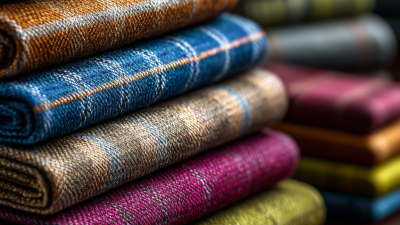
As we look ahead to 2025, the world of textiles continues to evolve, with Yarn Dyed Fabric taking center stage for its unique attributes and versatility. This fabric, known for its vibrant colors and intricate patterns, has become a favorite among designers and manufacturers alike. The process of dyeing yarn before weaving offers not only aesthetic advantages but also enhanced durability and fade resistance, making it an ideal choice for a variety of applications, from fashion to home décor.
In this article, we will explore the top trends that are shaping the future of Yarn Dyed Fabric, focusing on innovative techniques, emerging patterns, and environmental considerations. With sustainability at the forefront of consumer preferences, the yarn dyeing process is undergoing significant advancements to meet the demands for eco-friendly practices. As we delve into these trends, it is crucial to understand how Yarn Dyed Fabric is not only adapting to changing market dynamics but also setting new standards in quality and creativity. Join us as we uncover what lies ahead for this dynamic fabric sector in the coming years.
Key Drivers of Yarn Dyed Fabric Trends in 2025: Market Insights
Yarn dyed fabrics are poised for significant evolution in 2025, driven by a confluence of market factors that redefine consumer preferences and industry standards. Eco-consciousness stands at the forefront, as more consumers are demanding sustainable textiles made from organic or recycled materials. This shift not only reflects a growing awareness of environmental issues but also influences dyeing practices that prioritize low-impact and non-toxic chemicals. Brands are responding by exploring innovative dyeing technologies that minimize water usage and energy consumption, thus appealing to a more environmentally aware audience.
Another key driver is the increasing popularity of personalization and customization in fashion. As consumers seek unique pieces, the demand for yarn dyed fabrics that offer intricate patterns and colorways is on the rise. This trend encourages manufacturers to invest in advanced dyeing techniques that enable small batch production, catering to niche markets that prioritize individuality over mass-produced items. Additionally, the integration of digital printing technologies is enhancing design possibilities, allowing for rapid prototyping and quicker turnaround times. As these trends converge, the yarn dyed fabric market is set to thrive, reflecting the evolving landscape of consumer desires and technological advancements.
Consumer Preferences Shaping the Future of Yarn Dyed Fabrics
The evolving landscape of consumer preferences is a pivotal factor shaping the future of yarn dyed fabrics. In recent years, consumers have shown a marked preference for sustainability and ethical production practices, driving brands to prioritize these elements in their offerings. As awareness grows about the environmental impact of textile manufacturing, shoppers increasingly seek out fabric options that are dyed using eco-friendly techniques. This trend highlights a shift towards materials that not only meet aesthetic demands but also resonate with the values of a conscious consumer base.
Moreover, personalization and customization are becoming significant trends in the yarn dyed fabric market. Consumers now desire unique, tailored products that reflect their individual styles and identities. This has spurred a surge in demand for bespoke fabric designs and limited-edition colorways, enabling manufacturers to experiment with innovative dyeing techniques and textures that cater to diverse tastes. As brands adapt to these preferences, the market is likely to see a broader palette of colors and intricate patterns that appeal to the modern consumer's appetite for distinctiveness in their fashion choices.
2025 Top Trends in Yarn Dyed Fabric
This chart illustrates the top trends in yarn dyed fabric for 2025 based on consumer preferences. The most significant trend is the increasing demand for sustainable materials, followed by innovative patterns and color variety. Texture diversity and consumer customization have a smaller but noteworthy presence in shaping the future of yarn dyed fabrics.
Sustainability Practices in Yarn Dyed Fabric Production for 2025
The yarn dyed fabric industry is witnessing a significant shift towards sustainability, particularly as we approach 2025. According to a recent report by the Global Fashion Agenda, over 67% of consumers now prefer sustainable products, pushing manufacturers to adopt eco-friendly practices. In yarn dyed fabric production, this translates into the use of organic fibers, water-efficient dyeing techniques, and natural dyes. Strategies such as utilizing closed-loop water systems can reduce water consumption by up to 80%, thus lessening the environmental footprint of textile manufacturing.
Furthermore, there is a growing emphasis on traceability and transparency in the supply chain. The Sustainable Apparel Coalition reports that brands implementing detailed traceability measures can create up to a 30% reduction in greenhouse gas emissions in their operations. By sourcing fibers from certified sustainable farms and employing eco-conscious dyeing methods, the industry is not only meeting consumer demands but also contributing to global sustainability goals. As the yarn dyed fabric landscape evolves, the commitment to sustainability will likely define the competitive edge in the market by 2025.
Technological Innovations Transforming Yarn Dyeing Techniques
The yarn dyed fabric industry is on the brink of transformation as technological innovations reshape traditional dyeing techniques. The advent of digital dyeing technology, for instance, has streamlined the production process, allowing for more intricate designs and rapid turnaround times. According to a recent report by a leading textile industry analyst, the global digital textile printing market is expected to reach $5 billion by 2025, highlighting the growing preference for customized and sustainable fabrics. This shift towards digital processes not only enhances design capabilities but also significantly reduces water and chemical usage, aligning with the industry's sustainability goals.
In addition, advancements in dyeing machinery, such as air jet dyeing and supercritical CO2 dyeing, have improved dye uptake and reduced waste. These methods offer more efficient water usage, claiming to save up to 90% of water compared to traditional methods. Industry experts predict that these innovative techniques could become standard practice in yarn dyeing, spurred by increasing regulatory pressures and consumer demand for sustainability.
Tips: When choosing yarn dyed fabrics, consider not only the aesthetic appeal but also the environmental impact of the dyeing process. Look for fabrics treated with newer technologies that prioritize eco-friendliness and efficiency. Additionally, understanding dye fastness and color retention characteristics can help you select high-quality materials that hold their color longer.
Forecasted Market Growth: Yarn Dyed Fabrics in Global Textile Industry
The global market for yarn dyed fabrics is projected to witness significant growth, with the market size expected to reach approximately $25 billion by 2025, showcasing a robust compound annual growth rate (CAGR) of around 4.5% from 2020 to 2025. This growth can be attributed to the rising demand for high-quality and aesthetically appealing textiles across various sectors, including apparel, home furnishings, and technical textiles. As consumers become more conscious of their fabric choices, there is an increasing preference for yarn dyed fabrics due to their durability and vibrant color retention compared to other dyeing methods.
Moreover, the expanding textile industry in emerging economies plays a crucial role in the rising demand for yarn dyed fabrics. Countries in Asia-Pacific, particularly India and China, are ramping up their production capacities, contributing to a greater share of the global market. According to a recent report by Textiles Intelligence, yarn dyed fabrics will account for roughly 30% of the textile market by 2025, driven by innovations in dyeing techniques and sustainable practices. As the industry pivots toward more eco-friendly options, the integration of sustainable materials into yarn dyed fabric production is expected to further enhance market appeal and drive growth in the coming years.