7 Best Micro Fabric Manufacturers for Global Buyers
Global buyers need more than an attractive swatch. They need Micro Fabric that performs consistently across production runs, arrives on schedule, and suits its intended use. A soft hand can impress at a trade fair. But fiber composition, fabric weight, construction, colorfastness, and finishing determine whether that sample remains convincing after washing and wear.
A practical sourcing reminder for this guide comes from Dr. Mira Chen, an illustrative textile sourcing specialist: “A sample earns trust only when the bulk fabric matches its feel, finish, and performance.” This is an editorially drafted quotation, not a verified interview statement. It captures a useful question for buyers: can a manufacturer reproduce the same specifications at scale? Ask about sample approval, testing methods, production capacity, lead times, and quality checks. Request details, not just assurances. Small differences matter.
This roundup examines seven Micro Fabric manufacturers through the factors global buyers can assess: product range, customization, communication, documentation, and production reliability. The best fit depends on your application, order size, and delivery needs. A supplier strong in one area may fall short in another. That deserves a second look. Use the profiles as a starting point, then verify current specifications and request representative samples before placing an order.
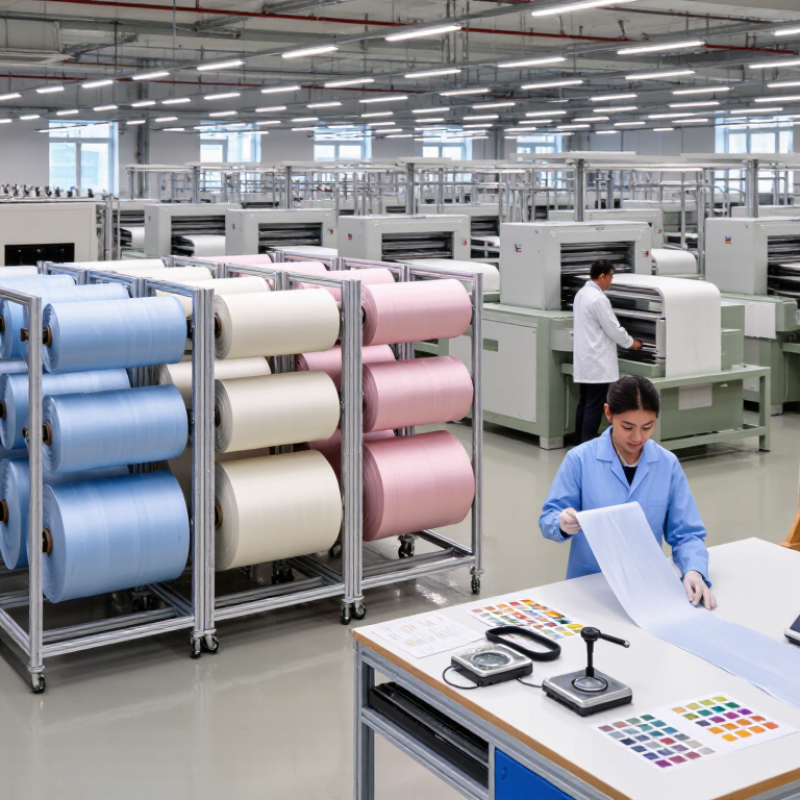
What Micro Fabric Is and Its Common Applications
Micro fabric usually refers to textiles made from very fine fibers, commonly polyester, polyamide, or a blend. A frequent benchmark is less than one denier per filament, though terminology can vary between suppliers. The fine strands create a large surface area and a smooth, soft feel. Construction matters too. A tightly woven fabric may feel sleek, while a brushed surface can feel warmer and suede-like.
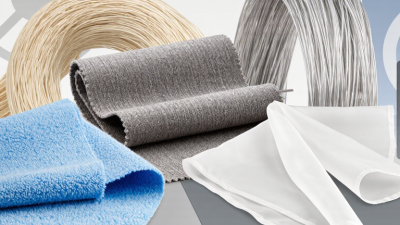
Applications are broad. Lightweight micro fabric appears in sportswear, linings, travel clothing, and bedding, where low bulk and quick drying are useful. In cleaning cloths, split fibers can help lift dust and moisture from glass or polished surfaces. Upholstery versions often use denser construction to handle daily contact.
Feel the difference. A soft swatch alone cannot confirm durability, absorbency, or colorfastness; those depend on fiber, finish, and fabric structure.
For global buyers, request details such as fiber content, fabric weight, width, and test results suited to the intended use. Ask for a sample and wash it as customers would. Small changes after washing can matter.
Micro fabric is not automatically breathable or environmentally preferable, either. Some versions may shed fibers during laundering, so care instructions and available performance data deserve a closer look. Even experienced buyers can misjudge a fabric from photographs. The hand feel is useful, but it is only one piece of evidence.
How to Assess Micro Fabric Manufacturers for Global Buyers
Assessing micro fabric manufacturers for global buyers starts with the fabric, not the sales pitch.
Request a sample made to your actual specifications, including fiber content, weight, width, and finish. Check the hand feel under different light, then wash a swatch and note shrinkage, color change, and surface pilling. A polished sample is useful, but it does not prove that bulk rolls will match.
Tips:
Ask for test reports tied to the same fabric construction and production lot. Confirm what each certification covers, and verify the issuing body. Request recent production references, stated capacity, minimum order quantities, and realistic lead times. Keep specifications and approvals in writing.
Reliable evaluation also means checking how a supplier handles problems. Ask how they trace batches, inspect defects, and report delays. Clear answers matter. Compare response quality, not only price. A low quote may exclude testing, packaging, or freight, so review the full cost breakdown. It is easy to overvalue a neat showroom sample; production consistency deserves more weight. No assessment removes every risk, and small trial orders can still reveal issues that larger orders expose later.
Profiles of Seven Leading Micro Fabric Manufacturers
Micro-fabric sourcing depends on more than a soft hand or a fine surface. Textile Exchange’s Materials Market Report 2024 estimates that global fiber production reached 124 million tonnes in 2023, with polyester representing about 57 percent. That scale makes traceability and process control important buyer checks. The figure covers all fibers, not micro fabrics alone.
Seven supplier profiles help clarify different strengths:
- Circular-knit mills for smooth, lightweight jersey;
- Warp-knit producers for stable linings;
- Microfiber suede specialists for a dense, brushed face;
- Fleece makers for warmth and loft;
- Recycled-polyester mills with documented input tracking;
- Finishing houses focused on dye consistency and surface feel; and
- Vertically integrated exporters coordinating fabric, testing, and shipment.
Ask each for fabric weight, width tolerance, pilling results, and test methods.
A small swatch can hide lot-to-lot variation.
A practical review should include certificates, recent test reports, and a sample from production—not only a showroom cutting. The ITMF’s 2024 industry survey reflects continuing uncertainty across textile markets, so capacity and lead times deserve direct confirmation. That distinction is easy to miss. “Micro” is not a universal technical specification; buyers should define fiber fineness, construction, and intended use before comparing quotations.
Comparing Product Range, Quality, and Production Capabilities
7 Best Micro Fabric Manufacturers for Global Buyers
Comparing Product Range, Quality, and Production Capabilities
Choosing among seven micro fabric manufacturers takes more than comparing catalog photos. Check whether each supplier offers the constructions you need, such as microfiber fleece, suede-like fabric, or tightly woven cleaning cloth. Compare fiber composition, weight in GSM, width, and available finishes. Feel the surface. A soft sample may still pill or lose color after washing. Ask for test reports that match your intended use, and confirm how quality is checked between production batches.
Tips: Request swatches from the same production line used for bulk orders. Ask how samples are approved, what tolerances apply to weight and width, and whether testing can be repeated after finishing. Get lead times and minimum order quantities in writing.
Production capacity matters as much as fabric choice. Ask about monthly output, equipment availability, dyeing options, and how the factory handles urgent changes. A large stated capacity is not proof that your order will receive priority. Compare sample turnaround and communication, too. A neat catalog can hide slow approvals or inconsistent shade matching; this is easy to overlook. If possible, inspect a recent lot or arrange an independent quality check before shipment. Keep your requirements specific, but allow room to revise them when samples reveal a real trade-off.
7 Best Micro Fabric Manufacturers for Global Buyers — Comparing Product Range, Quality, and Production Capabilities
A buyer-side scorecard showing suggested evaluation priorities when comparing microfiber fabric suppliers. These percentages are an illustrative framework, not audited manufacturer ratings or a market survey.
Use the same criteria to assess each shortlisted manufacturer, then replace these suggested weights with priorities suited to your product and sourcing requirements. Verify quality systems, capacity, certifications, and export experience directly with each supplier.