Leave Your Message
Choosing the best Recycled Denim Fabric in 2026 means looking beyond a “recycled” label. Fiber content, traceability, durability, and dyeing methods all matter. Circular-design pioneer William McDonough’s well-known principle, “Waste equals food,” offers a useful lens: discarded denim can become a resource, but only when the next fabric performs well in real use.
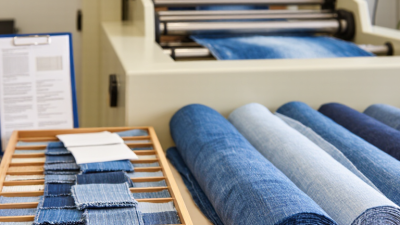
That performance is not automatic. Recycled cotton fibers are often shorter than virgin fibers, so mills may blend them with stronger fibers to improve yarn strength. A close-up inspection may reveal uneven flecks, subtle shade changes, or a slightly dry hand. Those details are not necessarily defects. They do deserve scrutiny. Ask suppliers for recycled-content documentation, test results, and clear descriptions of any virgin-fiber blends. Then compare fabric weight, stretch recovery, abrasion resistance, and feel against the garment’s intended use. A soft swatch can impress on a sample table, yet lose shape after repeated wear.
There is no single winner for every application. A sturdy workwear fabric may not suit lightweight shirts, and a high recycled-content claim does not prove long-term durability. This guide compares practical options and explains the trade-offs behind them. Some supplier data may still be incomplete; that uncertainty should remain visible, not hidden. The best choice is the one whose recycled inputs, verified performance, and intended lifespan make sense together.
What Is the Best Recycled Denim Fabric in 2026?
What Counts as Recycled Denim: Cotton Sources, Blends, and Recycling Methods
Recycled denim can start with factory offcuts or with worn garments collected after use. These sources are not interchangeable. Clean cutting-room scraps are usually easier to sort, while used jeans may carry dyes, finishes, seams, and mixed fibers. The label alone rarely tells you which source was used. Ask for evidence.
Most mechanical recycling shreds cotton fabric into shorter fibers, then spins them into new yarn. The process saves usable material, but repeated shredding can weaken fibers. Mills may blend recycled cotton with longer recycled or virgin cotton to improve yarn strength. Some fabrics also contain polyester or other fibers, which can change durability and make later recycling more complicated. That matters.
Chemical recycling can separate or regenerate certain fibers, but the method depends on the feedstock and process. Do not assume every “recycled denim” fabric uses it. Check the stated recycled-content percentage, whether it refers to the fabric or only one component, and whether supplier documentation supports the claim. A swatch can reveal softness and surface texture, but it cannot prove fiber origin. One awkward truth: the word “recycled” still leaves gaps. For a sound choice, compare source, blend, process, and traceable records—not just the color of the label.
| Fabric Type | Cotton Source | Typical Recycling Method | What the Recycled Content Means | Strengths | Limitations and Checks | Best Suited For |
|---|---|---|---|---|---|---|
| Pre-consumer recycled-cotton denim | Clean cotton-rich cutting scraps and other manufacturing waste that has not been used by consumers. | Scraps are sorted, opened or shredded into fibers, then spun into yarn. Recycled fibers are often blended with longer fibers. | Content comes from manufacturing waste; the actual percentage depends on the yarn and fabric specification. | Feedstock is generally easier to sort than used garments and can help divert production scraps from disposal. | Shorter recycled fibers can reduce yarn strength. Ask whether the figure is measured by fiber weight and whether it applies to the whole fabric. | Everyday denim where reliable appearance and moderate recycled content are priorities. |
| Post-consumer recycled-cotton denim | Discarded cotton-rich garments, including worn denim, collected after consumer use. | Garments are sorted by fiber composition and color; trims are removed where practical; textiles are mechanically shredded and the fibers respun. | Content is derived from used textile products. The share can vary with the quality and composition of available feedstock. | Uses textile waste that has already served its original purpose; sorting by color may reduce the need for some recoloring. | Mixed fibers, finishes, elastane, dyes, and contamination can complicate processing. Mechanical recycling shortens fibers, which may limit strength or increase blending needs. | Casual jeans, jackets, and other products where a recycled-material story is important and the fabric is tested for intended use. |
| Recycled-cotton and virgin-cotton blend | Pre-consumer or post-consumer cotton waste combined with newly produced cotton. | Recycled fibers are blended with longer virgin cotton fibers during spinning. | Both fiber sources are present; recycled share should be stated separately and supported by product documentation. | Virgin cotton can help compensate for the shorter average length of mechanically recycled cotton fibers and support more consistent yarn performance. | It is not fully recycled. Compare the stated recycled share with fabric performance and check how the percentage is calculated. | Durable jeans and workwear where strength, familiar denim feel, and some recycled content are required. |
| Recycled-cotton and recycled-polyester blend | Recycled cotton from textile waste plus recycled polyester, often made from recovered polyester feedstock. | Fibers are prepared separately and blended during spinning or fabric production. | Recycled polyester does not automatically mean recycled denim. The cotton and polyester sources should be identified separately. | Can combine recycled inputs and may improve yarn or fabric performance, depending on construction and proportions. | Blended fibers can be harder to separate at end of life. Confirm that recycled polyester is not being presented as recycled cotton or denim. | Products designed around a specified blend, where performance and clearly documented material sourcing are both considered. |
| Recycled-cotton stretch denim | Recycled cotton combined with cotton and a small amount of elastane or another stretch fiber, depending on the fabric design. | Recycled cotton is mechanically recovered and blended into yarn or fabric with the other fibers. | The recycled percentage may refer only to the cotton portion or to the total fabric; the basis should be clearly stated. | Can provide stretch and comfort while incorporating recycled cotton. | Stretch fibers and mixed compositions may make future fiber separation more difficult. Check the full fiber composition and care requirements. | Stretch jeans and fitted garments when comfort is important and the blend is transparently described. |
| Regenerated cellulose made from cotton textile waste | Cellulose-rich cotton textiles, subject to sorting and processing requirements. | Chemical processes dissolve or otherwise process cellulose and form regenerated fibers. The exact process varies. | This is regenerated cellulose from textile feedstock, not necessarily mechanically recycled cotton fiber; the process and feedstock should be specified. | Can use cellulose from textile waste and produce a new fiber form with properties different from conventional cotton yarn. | Availability and performance vary by process. Mixed-fiber textiles, dyes, and finishes can complicate feedstock preparation; verify independent documentation. | Blended fabrics or products designed for the specific characteristics of the regenerated fiber. |
| Indigo-dyed denim made with recycled fibers | Recycled cotton or other documented recycled fibers incorporated into denim yarn; indigo dyeing is a separate fabric-making step. | Recycled fibers are spun into yarn and woven into denim, then dyed and finished using the selected production route. | “Recycled” describes the fiber source, not automatically the dyeing, finishing, or overall environmental impact. | Can retain a familiar denim appearance while using recycled feedstock. | Do not assume lower water, energy, or chemical use from recycled fiber content alone. Look for separate, verifiable process information. | Jeans and denim garments where traditional indigo appearance is desired alongside documented recycled fiber content. |
How to choose: There is no single best recycled denim for every use. Compare the documented recycled-fiber source and percentage, the full fiber composition, fabric strength and wear performance, and the recycling method. Percentages and performance vary by supplier and construction; request product-specific evidence rather than relying on the term “recycled” alone.