10 Best Recycled Denim Fabric Suppliers Worldwide
Choosing a reliable Recycled Denim Fabric supplier requires more than checking a sustainability label. Buyers must examine fiber content, collection methods, processing technology, certifications, and production consistency. A fabric may contain recycled cotton, yet still include virgin polyester or difficult-to-separate blends. That detail matters.
William McDonough, a leading circular-design authority, has said, “Waste equals food.” His principle helps explain why discarded jeans can become valuable textile resources. However, recycling denim is not automatically sustainable. Cotton recovery can shorten fiber length, affect softness, and reduce tear strength. Suppliers must balance environmental goals with practical performance.
This guide examines ten leading Recycled Denim Fabric suppliers worldwide. It considers their material sources, recycled content, fabric weights, color ranges, minimum order quantities, and traceability practices. It also looks at certifications such as GRS, RCS, and OEKO-TEX, where applicable. These credentials provide useful evidence, but they do not answer every question.
Real production details matter. A fashion brand may need a 10-ounce twill with stable shrinkage. Another may require soft, lightweight denim for shirts. Testing remains essential. Ask for lab reports, sample yardage, abrasion results, and wash specifications before placing a bulk order.
The industry still has gaps. Supplier data can be incomplete. “Recycled” can sound clearer than it really is. That deserves scrutiny. Cost, color matching, and fiber quality may also change between seasons. The suppliers selected here offer promising capabilities, but responsible sourcing still depends on careful verification and honest comparison.
What Recycled Denim Fabric Is and Why It Matters
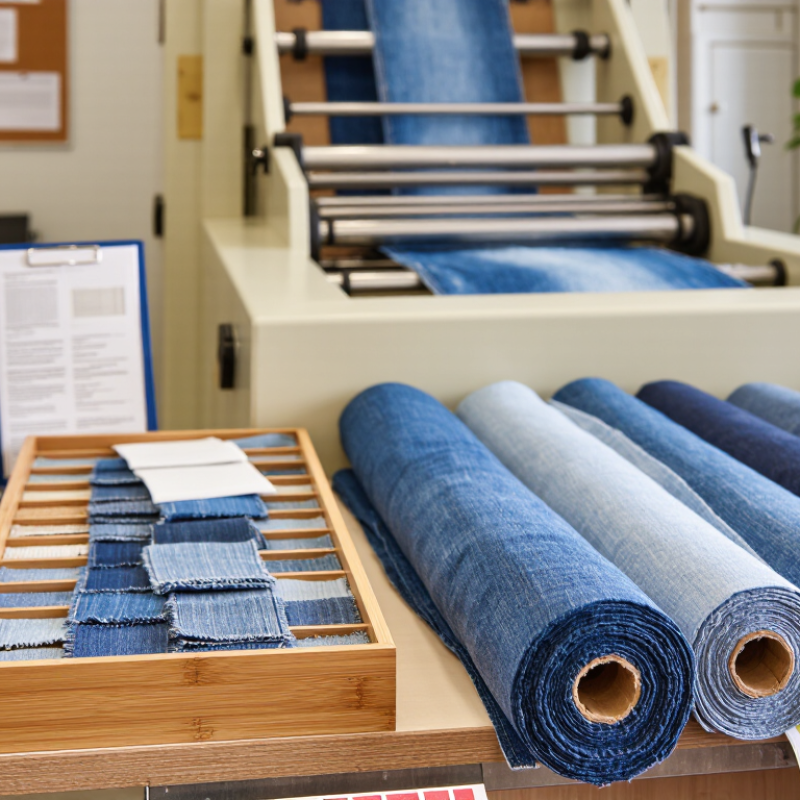
Recycled denim fabric is made from discarded jeans, factory cutting waste, or both. The material is sorted, cleaned, shredded, and opened into fibers. These fibers are then spun into yarn and woven or knitted into new fabric. Some recycled fibers are blended with virgin cotton or other fibers because recycled strands can be shorter and weaker.
Why does it matter? Denim production uses large amounts of water, energy, and raw cotton. Reusing existing fibers can reduce pressure on farmland and lower textile waste. However, recycled denim is not automatically sustainable. Its impact depends on collection methods, energy sources, dyeing, transport, and fabric durability. In fabric development, I have found that small fiber differences affect softness, strength, and surface texture. The process is not perfect. Color variation can also occur, especially when suppliers mix different denim shades.
Tips: Ask suppliers for recycled content percentages, fiber origins, and laboratory test results. Check strength, shrinkage, colorfastness, and pilling before placing large orders. Reliable suppliers should provide traceability records and recognized textile certifications. Request a physical sample. Digital images often hide uneven yarns or rough surfaces. Consider the final product carefully, because a lightweight shirt and heavy workwear require different recycled fiber blends.
10 Best Recycled Denim Fabric Suppliers Worldwide — What Recycled Denim Fabric Is and Why It Matters
Recycled denim fabric is made by mechanically or chemically recovering fibers from pre-consumer or post-consumer textile waste. The chart shows the rounded global fiber production mix for 2022, highlighting the scale of cotton and synthetic materials that recycled denim initiatives can help divert from virgin production.
Cotton represented approximately 22% of global fiber production in 2022. Recycled cotton can reduce dependence on virgin cotton, but the environmental benefit depends on collection, sorting, fiber quality, processing technology, energy sources, and the final fabric blend. Recycled fibers are often blended with virgin fibers to improve strength and durability.
Source: Textile Exchange, Materials Market Report 2023. Percentages are rounded global estimates for 2022.
How to Evaluate Recycled Denim Fabric Suppliers
When evaluating recycled denim fabric suppliers, begin with material traceability.
Request documents showing the source of post-consumer or pre-consumer denim waste. Ask how fibers are sorted, cleaned, opened, and blended. A credible supplier should explain each stage clearly. Look for current certificates, audit reports, and chain-of-custody records. Ask for proof. Vague sustainability claims deserve careful questioning.
Request a fabric sample before discussing large orders.
Check its weight, width, softness, color consistency, and surface strength. Compare the sample with the technical specification sheet. Independent laboratory testing can verify recycled content, shrinkage, colorfastness, and tensile performance. Confirm whether recycled fibers are blended with cotton or synthetic materials. Numbers can mislead. I once overlooked a small fiber percentage, and it changed the fabric’s final performance. That mistake taught me to read every composition line.
Evaluate production capacity, minimum order quantities, lead times, and replacement policies.
Ask how the supplier handles uneven dye lots or defective rolls. Responsible facilities should describe wastewater treatment, chemical controls, worker safety, and environmental monitoring. An on-site visit can reveal more than polished photographs, although travel is not always practical. In that case, request a live video inspection and recent records. Trust grows slowly. Keep written specifications, test results, and approval samples together before placing an order.
Materials, Certifications, and Production Standards to Compare
10 Best Recycled Denim Fabric Suppliers Worldwide
When comparing recycled denim suppliers, start with fiber composition, not marketing language. Post-consumer cotton reduces landfill pressure, while pre-consumer scraps usually offer cleaner, more consistent production. Textile Exchange’s Materials Market Report 2024 reported global fiber production at about 132 million tonnes in 2023. Recycled fibers represented approximately 7.6% of that volume, but recycled cotton remained a small segment. This gap matters when evaluating realistic supply capacity.
Ask suppliers for transaction certificates, recycled-content percentages, and fiber-traceability records. The Global Recycled Standard verifies recycled inputs, chain of custody, and selected social and environmental practices. The Recycled Claim Standard focuses mainly on recycled-material tracking. Certifications do not replace factory audits. Check wastewater controls, chemical management, energy sources, worker safety, and defect rates. Production standards should include shrinkage limits, colorfastness results, tensile strength, and wash-test performance. Denim can look excellent in a sample and fail after three commercial washes.
Tips: Request a production swatch, not only a showroom sample. Compare 20-wash results. Confirm whether elastane, dyes, coatings, and sewing threads are included in sustainability claims. A supplier may report recycled cotton content correctly, yet provide weak evidence for the remaining materials. That is a warning, not an immediate rejection. I would document each limitation and ask for corrective plans before placing a bulk order. Textile Exchange’s data also reminds buyers that recycled supply is growing, but it is not automatically abundant or fully traceable.
Ordering, Pricing, and Sustainability Factors for Buyers
When ordering recycled denim fabric, request a physical swatch before discussing large volumes. Check the surface, stretch recovery, color consistency, and softness after washing. A serious supplier should provide fiber composition, recycled content percentages, and recent laboratory reports. Ask how post-consumer denim is collected, sorted, shredded, and blended. Traceability matters.
Minimum order quantities can range from a few hundred meters to several thousand. Confirm this before approving development samples. Pricing depends on recycled fiber content, yarn count, weight, dyeing method, finishing, and order size. Shipping costs may change the final price significantly. Request a quotation showing fabric cost, testing fees, packaging, transport, and payment terms separately. Hidden costs are common.
Do not rely only on a sustainability certificate. Check its scope, expiry date, and connection to the exact fabric lot. Some suppliers offer recycled cotton blends, while others use recycled polyester for stronger performance. The difference affects comfort, recyclability, and labeling. Ask for shrinkage, colorfastness, tensile strength, and abrasion results. A factory audit can reveal water treatment practices and working conditions that paperwork misses. I would also compare production records with delivery promises; optimistic lead times often create avoidable pressure. Perfect sourcing is unlikely. Build a small buffer.