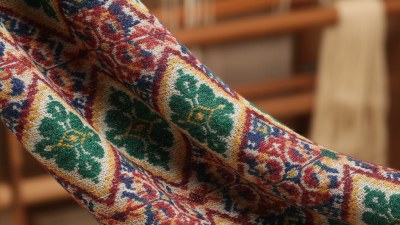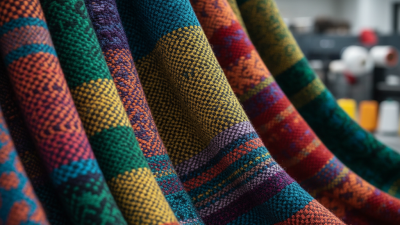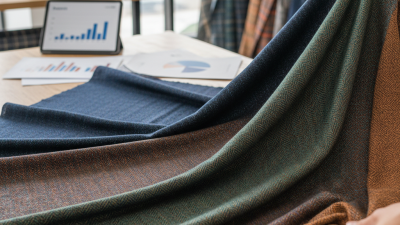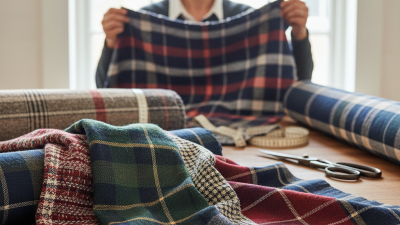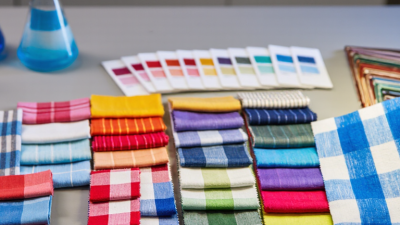
Choosing the right Yarn Dyed Fabric can shape how customers remember your brand. Color, texture, durability, and production consistency all matter. A beautiful swatch may still fail after repeated washing or prolonged sunlight. That detail deserves attention.
Textile scientist Dr. Susan M. Watkins offers a practical reminder: “Fabric performance begins with understanding how fibers, construction, and finishing work together.” Her point is valuable for brands comparing cotton, linen, wool, recycled fibers, or blended yarns. The yarn itself carries color before weaving or knitting. This process can create richer patterns and stronger visual depth. It can also expose uneven tension, weak color matching, or costly sampling errors.
Start with the product’s real conditions. Will the fabric cover shirts, uniforms, upholstery, or children’s clothing? Imagine the finished piece under store lighting. Rub the surface. Check the reverse side. Wash a sample several times. Then compare shrinkage, colorfastness, pilling, and seam behavior.
Not every premium-looking fabric is commercially practical. Some require slower production. Others feel excellent but lose shape too quickly. That is where experience helps. Ask suppliers about fiber origin, yarn count, dyeing records, testing methods, and minimum order quantities. Reliable documentation matters more than confident promises.
Your first choice may be wrong. That is normal. A small mistake during sampling can prevent a much larger problem after launch. The best Yarn Dyed Fabric balances appearance, performance, cost, and the expectations your brand has promised customers.
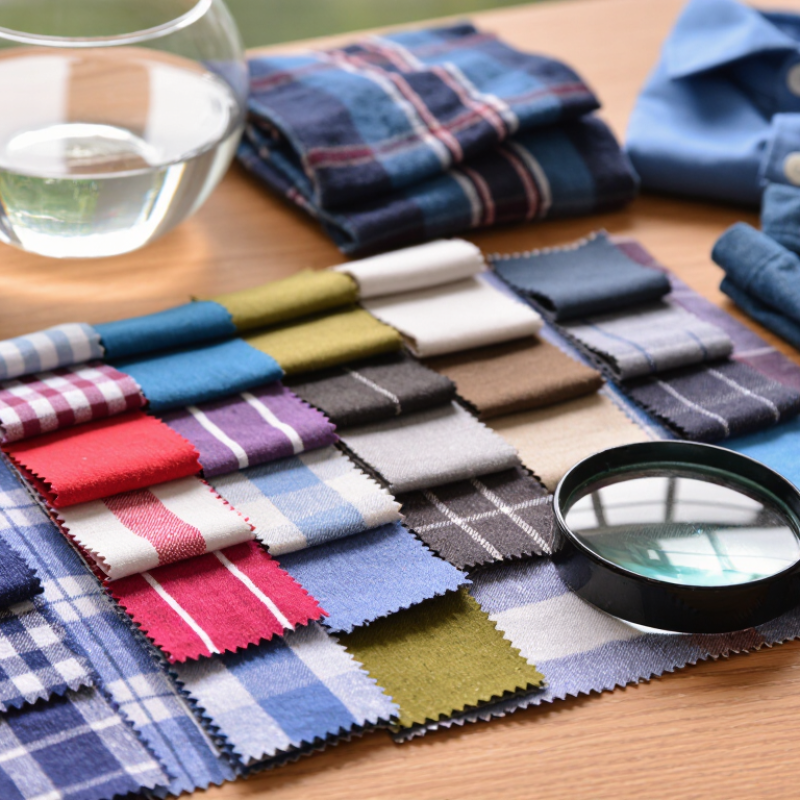
Fiber is the first commercial decision. Cotton offers breathability and familiar hand feel, while polyester improves strength, drying speed, and dimensional stability. Textile Exchange’s 2024 Materials Market Report recorded global fiber production at approximately 124 million tonnes in 2023. Polyester represented the largest share, but volume does not equal suitability. USDA’s Cotton: World Markets and Trade report forecast global cotton production near 117 million bales for 2024/25. End use must lead the choice.
Yarn count controls thickness, coverage, and surface character. In the Ne system, a higher number means finer cotton yarn. A 40–60 Ne yarn can create a light shirting fabric with a crisp, smooth face. Coarser 16–30 Ne yarns may better support overshirts, uniforms, or durable home textiles. Always state the count system. Tex works differently; higher tex means heavier yarn.
Weave changes performance dramatically. Plain weave gives balanced stability. Twill usually offers better abrasion resistance and softer movement. Satin feels smooth, but its longer floats can snag more easily. For yarn-dyed fabric, inspect color contrast at the cuff and under daylight. Test laundering, rubbing, and light exposure using relevant ISO 105 methods. A perfect specification is rare. Laboratory results can still miss sewing tension, humidity, or repeated wear. Sample the finished garment, not only the fabric roll.
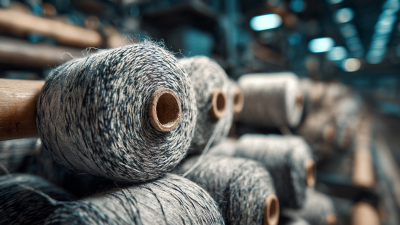
Choosing yarn dyed fabric starts with measurable specifications, not attractive sample cards. Set the target GSM with ASTM D3776, which provides a recognized method for measuring fabric mass per unit area. Test conditioned samples from several rolls, including edges and the center. A practical specification might be 180 GSM with a defined tolerance, such as ±5%, if the garment structure allows it.
Width needs equal attention. Record usable width separately from overall width, because selvages, bowing, and shrinkage can reduce cutting efficiency. Agree on the measuring condition, sampling points, and acceptable deviation before bulk production. Shade tolerance should use an approved master standard, not memory or casual visual judgment. ISO 105 is mainly used for colour fastness testing, so it should support durability requirements rather than replace a shade approval process. Use controlled lighting and, where possible, instrumental colour readings.
Tips: Ask for a test report from each production lot. Check GSM after conditioning. Compare shade bands beside the approved standard. Keep a retained cutting for traceability. Small details matter.
A first tolerance plan may be too strict for a textured yarn dyed fabric. That is worth reviewing. Tighter limits can increase waste without improving the finished product. Consider the fabric’s end use, washing process, and cutting layout. Experienced teams also inspect repeat alignment, yarn irregularity, and width stability. These checks reveal problems that a single laboratory result may miss. Reliable records make future orders more consistent, even when the first specification needs refinement.
| Fabric Application | Typical Construction | Target GSM (g/m²) |
GSM Tolerance ASTM D3776 |
Finished Width (cm) |
Width Tolerance (cm) |
Shade Tolerance ISO 105-A02 |
Recommended Color Difference Internal ΔE00 Limit |
Minimum Colorfastness Rating |
|---|---|---|---|---|---|---|---|---|
| Lightweight Shirts | Plain weave, combed cotton, 40–60 Ne | 110 | ±5% | 145 | ±2 | Grade 4 or better | ≤ 1.0 | Grade 4 |
| Casual Shirts | Twill or oxford weave, cotton or cotton blend | 150 | ±5% | 148 | ±2 | Grade 4 or better | ≤ 1.0 | Grade 4 |
| Workwear | 3/1 twill, ring-spun cotton or cotton-polyester | 220 | ±5% | 150 | ±2 | Grade 4 or better | ≤ 1.5 | Grade 4–5 |
| Trousers and Uniforms | Medium-weight twill, cotton or stretch blend | 260 | ±5% | 152 | ±2 | Grade 4 or better | ≤ 1.5 | Grade 4 |
| Jackets and Overshirts | Heavy twill, canvas, or brushed yarn-dyed fabric | 320 | ±5% | 155 | ±2 | Grade 4 or better | ≤ 1.5 | Grade 4 |
| Testing notes: Determine fabric mass per unit area in accordance with ASTM D3776. Assess shade change with the ISO 105-A02 grey scale; use the same approved standard, lighting conditions, and viewing procedure for all production lots. The ΔE00 values shown are practical internal acceptance targets and should be confirmed with the buyer’s color approval procedure. Colorfastness requirements may also be specified using applicable ISO 105 methods, such as ISO 105-C06 for domestic and commercial laundering, ISO 105-X12 for rubbing, and ISO 105-E04 for perspiration. | ||||||||
A yarn dyed fabric can look perfect on the sample table and still fail after washing.
Colorfastness testing must begin before bulk production. AATCC TM61 uses accelerated laundering conditions to estimate repeated domestic washing. One 45-minute cycle roughly represents five home launderings, although results vary by fabric construction and dye class.
ISO 105-C06 adds internationally recognized laundering procedures, including color change and staining assessments.
Test both the dyed yarn and finished fabric. Check dark shades beside white adjacent fabric. Look for bleeding at seams, cuffs, and folded edges. These areas often reveal problems sooner.
Record washing temperature, detergent type, cycle time, and drying method. Small details matter.
The Textile Exchange Materials Market Report 2024 estimated global fiber production at 124 million tonnes in 2023.
It projects production could reach 160 million tonnes by 2030. Longer-lasting fabrics may help reduce avoidable replacement, but testing alone cannot guarantee retail performance. Real washing habits are messier. Consumers may use hotter water or stronger detergents than laboratory conditions.
I once treated a passing test result as final; that judgment was too confident. Request an additional internal wash trial, especially for saturated colors, mixed fibers, and brushed surfaces. A clear pass is useful. A cautious review is better.
How to Choose the Best Yarn Dyed Fabric for Your Brand?
Check GOTS Compliance Against the 70% Organic-Fiber Threshold
A yarn dyed fabric can look responsible while hiding complicated fiber content. The Global Organic Textile Standard (GOTS) permits a “made with organic” claim when at least 70% of the product’s fibers are certified organic. A stronger “organic” claim generally requires at least 95% certified organic fibers. The remaining fibers cannot be treated as unrestricted substitutes. They must also satisfy GOTS material and chemical requirements.
Check the paperwork before approving the color card. Request the supplier’s valid Scope Certificate and transaction certificate. Then compare the certificate with the exact yarn composition, dyeing unit, and production lot. On a navy cotton-linen swatch, for example, confirm whether the organic percentage applies to the whole fabric or only the cotton portion. That small detail changes the claim.
Textile Exchange reported that global fiber production reached about 124 million tonnes in 2023. This scale increases the value of credible organic sourcing, but it also increases verification pressure. GOTS certification includes environmental processing controls, wastewater expectations, and social criteria throughout the textile chain. Still, certificates can expire, and supplier documents may not match later production. I have seen teams trust a familiar specification too quickly. That is a weakness worth correcting.
Use laboratory fiber testing when the composition is commercially important. Keep approved swatches, certificates, and batch records together. The 70% threshold is not a marketing shortcut. It is a compliance checkpoint.
Check the certified organic-fiber percentage before selecting a yarn-dyed fabric. Under GOTS fiber-content labeling thresholds, products must contain at least 70% certified organic fibers for the “made with organic” grade and at least 95% for the “organic” grade. Fiber content alone does not guarantee certification; processing, chemicals, environmental, and social criteria must also be met.
How to use this chart: Compare the verified organic-fiber percentage in a yarn-dyed fabric against these thresholds, then request valid transaction certificates and scope certificates from the supplier.
Reference: Global Organic Textile Standard (GOTS), organic-fiber labeling thresholds.
Choosing yarn dyed fabric starts with evidence, not attractive swatches. A supplier should pass four inspection points before approval. I examine color consistency, weaving defects, yarn quality, and finishing stability. These checks reveal streaks, slubs, broken ends, and uneven texture. The fabric may look excellent under showroom lights. It can still fail outdoors.
For color, compare bulk fabric with approved lab dips under controlled lighting. Record shade variation across the roll, not only one small cutting. Inspect both fabric sides, then mark defects on a roll map. A practical four-point score separates minor faults from unacceptable damage. I also request loom, dyeing, and finishing records. Records build trust, although paperwork alone proves little.
Shrinkage needs a clear target: no more than 3% after the agreed wash test. Cut samples from different roll areas, then wash them consistently. Measure length and width before and after washing. Check skew, spirality, and seam appearance too. A fabric can meet shrinkage limits yet twist badly in a garment. Ask suppliers to repeat testing after finishing adjustments. I have approved promising samples too quickly before. That mistake taught me to test production fabric, not promises. Keep acceptance criteria in the purchase specification, supported by photos and signed reports.