Top Benefits of Recycled Polyester Fabric for Sustainable Fashion?
In the world of sustainable fashion, "Recycled Polyester Fabric" stands out as a game changer. It offers numerous environmental benefits while meeting the demands of modern consumers. This innovative fabric is made from post-consumer plastics, significantly reducing waste in landfills and oceans.
Many fashion brands are now embracing recycled polyester, attracted by its versatility and durability. The fabric retains the quality of virgin polyester while consuming less energy and water during production. It is also lightweight and comfortable, making it ideal for various clothing styles.
However, reliance on recycled polyester raises questions. Is it truly sustainable? Can the recycling process itself be improved? While it represents progress, we must reflect on its long-term impact. Understanding the balance between consumption and sustainability is key to a greener future in fashion.
Understanding Recycled Polyester: Definition and Sources
Recycled polyester is a remarkable step towards sustainable fashion. This fabric is made from post-consumer plastics, like discarded bottles. It offers a viable alternative to virgin polyester, which relies heavily on petroleum. The process of recycling plastic not only reduces waste but also minimizes the need for new resources. Understanding where this fabric comes from helps us appreciate its role in sustainability.
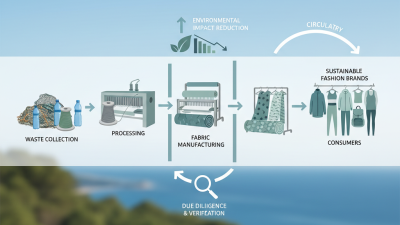
Recycled polyester sources vary. Many companies use PET from water bottles, fabrics, and other plastic products. The recycling process involves collecting, cleaning, and processing these plastics into new fibers. However, not all recycled polyester is created equal. Some manufacturers may use processes that are less eco-friendly than others. The impact on the environment hinges on how responsibly these materials are sourced and processed. Consumers should be mindful in choosing products that reflect truly sustainable practices. This awareness can drive more brands to improve their transparency and commitment to environmental health.
The Environmental Impact of Conventional Polyester vs. Recycled Polyester
The environmental impact of conventional polyester is significant. Traditional polyester is derived from petroleum, a non-renewable resource. The production process emits approximately 1.5 kg of CO2 for every kilogram of polyester created. In contrast, recycled polyester uses post-consumer plastic bottles, significantly reducing greenhouse gas emissions. Reports indicate that using recycled materials can lower CO2 emissions by up to 75%.
One major downside of conventional polyester is its contribution to microplastic pollution. Every year, around 190,000 tons of microplastics enter the ocean from synthetic fabrics. In contrast, recycled polyester reduces this risk. However, it still sheds microfibers during washing. Brands and consumers need to adopt better washing practices to mitigate this issue.
While recycled polyester presents a more sustainable alternative, it is not without challenges. The recycling process is energy-intensive and may require chemicals that can raise concerns. Understanding the trade-offs between conventional and recycled polyester is essential for making informed choices in sustainable fashion. This requires ongoing research and development to improve recycling technologies and reduce environmental footprints further.
Environmental Impact of Conventional Polyester vs. Recycled Polyester
This chart compares the environmental impact of conventional polyester and recycled polyester along four key dimensions: water usage, carbon emissions, energy consumption, and waste generation. The data highlights the advantages of recycled polyester in terms of sustainability.
Key Advantages of Using Recycled Polyester in Fashion Industry
Recycled polyester fabric is a game-changer for the fashion industry. It offers significant environmental benefits. By using recycled materials, brands reduce the demand for virgin polyester production. This process conserves energy and decreases carbon emissions. It transforms plastic waste into valuable fabric instead of letting it pollute the oceans or landfills.
Fashion brands also find recycled polyester versatile and durable. This fabric retains the same quality as traditional polyester but with a smaller ecological footprint. It can imitate various textures and strengths, making it suitable for clothing, accessories, and home textiles. However, the supply chain for recycled polyester is not perfect. There are challenges regarding consistency and availability. Ensuring quality control can be difficult, leading to variability in final products.
Public awareness of recycled fabrics is growing, but misconceptions remain. Some consumers may doubt the durability of recycled materials. Others are unsure about their environmental impact compared to organic fibers. Educating consumers is essential. This transparency can empower them to make informed choices, ultimately driving demand for sustainable options in fashion.
Top Benefits of Recycled Polyester Fabric for Sustainable Fashion
| Benefit |
Description |
| Environmental Impact |
Reduces plastic waste and lowers carbon footprint. |
| Water Conservation |
Uses less water in production compared to virgin polyester. |
| Durability |
High resistance to wear and tear, ensuring longevity. |
| Versatility |
Suitable for a wide range of products, from activewear to accessories. |
| Consumer Demand |
Increasing consumer preference for sustainable products drives growth. |
| Recycling Process |
Innovative recycling methods reduce reliance on finite resources. |
How Recycled Polyester Contributes to Circular Economy Practices
Recycled polyester fabric significantly supports circular economy practices. By repurposing plastic waste, this material reduces landfill contributions. It transforms discarded bottles and fabrics into new textiles. This process cuts down on resource consumption, lowering the demand for virgin materials.
Sustainability in fashion often revolves around finding eco-friendly solutions. Recycled polyester offers just that, yet it comes with challenges. The recycling process can release microplastics, which may harm marine life. Brands must consider this when promoting sustainability. Transparency in their methods is crucial for building trust.
Adopting recycled polyester also encourages consumer awareness. Shoppers become more mindful of their purchases when they know the impact on the environment. This shift in mindset supports sustainability, but the industry must reflect on its entire lifecycle. Innovation and responsible practices are needed for significant progress.
Innovative Uses of Recycled Polyester in Sustainable Fashion Design
Recycled polyester fabric is transforming sustainable fashion design. This innovative material is made from post-consumer plastic bottles. In fact, it takes about 25 plastic bottles to create one T-shirt. This process not only reduces waste but also saves significant energy compared to virgin polyester production.
Fashion designers are increasingly adopting recycled polyester for various creative uses. For instance, it can be blended with natural fibers to create unique textures. This combination enhances durability and breathability, appealing to eco-conscious consumers. A report from the Global Sustainability Forum states that using recycled polyester can reduce greenhouse gas emissions by up to 32% compared to conventional polyester.
Despite its benefits, there are challenges to consider. Not all recycled polyester is created equally. Quality can vary significantly among suppliers. Some recycled fabrics may not perform as well as expected, leading to consumer disappointment. Additionally, as demand rises, the supply chain may struggle to keep pace. This highlights the need for ongoing innovation and transparency in sourcing materials. Sustainability is a journey, and every step counts in the fight against fashion waste.