What is Stretch Fabric and How is it Used in Industries?
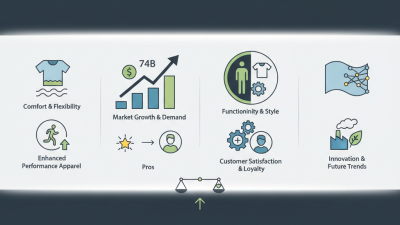
Stretch Fabric is a versatile material that has gained significant popularity across various industries. Its unique ability to stretch and recover makes it ideal for a wide range of applications. From fashion to sportswear, Stretch Fabric enhances comfort and flexibility. It is commonly used in activewear, lingerie, and swimwear, providing a snug fit without compromising movement.
In the automotive industry, Stretch Fabric is employed for seat covers and upholstery, contributing to aesthetics and durability. Additionally, medical fields use Stretch Fabric for bandages and compression garments. These products support healing while ensuring ease of use.
However, there are challenges associated with Stretch Fabric. The manufacturing process often raises concerns about sustainability. Many fabrics are synthetic, leading to environmental implications. Reflecting on these issues is crucial for a responsible approach to using Stretch Fabric in different sectors. As industries continue to innovate, the focus on eco-friendly alternatives will shape the future of this functional material.

What is Stretch Fabric? Definition and Characteristics
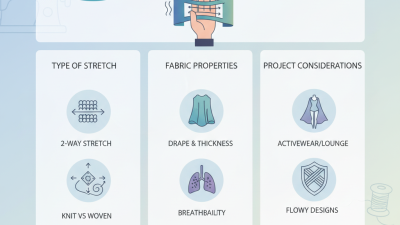
Stretch fabric is a unique textile that offers exceptional flexibility and comfort. It is primarily made from a blend of fibers, often including elastane or spandex. These fibers allow the fabric to expand and recover its shape. Stretch fabric exhibits remarkable elasticity, making it an ideal choice for activewear, swimwear, and fitted garments. This versatility enables designers to create clothing that moves with the body.
The characteristics of stretch fabric go beyond mere elasticity. It often features a smooth texture and a lightweight feel, providing comfort during wear. Moreover, stretch fabric can be breathable, suitable for various climates. Additionally, the fabric is durable and resistant to wrinkling, yet it may require careful washing to maintain its properties. Reflecting on the environmental impact, some stretch fabrics may not be biodegradable, raising concerns about sustainability in the fashion industry. Balancing these factors is crucial for designers aiming to create innovative and responsible products.
What is Stretch Fabric and How is it Used in Industries?
| Characteristic |
Description |
Common Uses |
Industries |
| Elastane Content |
Contains a high percentage of elastane, typically 5-20%. |
Athletic wear, swimwear, activewear. |
Textiles & Apparel |
| Comfort |
Offers superior comfort and flexibility during wear. |
Casual clothing, loungewear. |
Fashion & Retail |
| Durability |
Resistant to wear and tear, maintains shape over time. |
Workwear, uniforms. |
Industrial & Safety |
| Breathability |
Allows air circulation, keeping the wearer cool. |
Sports apparel, summer clothing. |
Sports & Outdoor |
| Versatility |
Can be used in various styles and formats. |
Dresses, leggings, tops. |
Fashion & Apparel |
Types of Stretch Fabrics: Spandex, Lycra, and Blends
Stretch fabrics play a crucial role in various industries,
especially in fashion, sportswear,
and medical applications. Spandex and Lycra are two of the most popular types.
These fabrics are known for their exceptional elasticity and are often blended with cotton or polyester to enhance overall performance.
According to a report by the Global Textile Market, the demand for stretch fabrics is expected to grow by 10%
annually over the next five years.
Spandex, often used in activewear, provides flexibility and comfort. It can stretch significantly yet return to its original shape.
This characteristic is beneficial for garments like leggings and swimsuits.
Lycra, a branded form of spandex, is known for its durability and ability to maintain shape over time.
Blends of these fibers with natural fabrics can create garments that are not only comfortable but also highly functional.
A study from the Journal of Clothing Science noted that these blends can improve moisture management and fit.
However, the versatility of stretch fabrics is not without challenges. The production process can involve environmental concerns, as synthetic fibers often require extensive resources.
Additionally, the durability of these materials can vary based on their composition.
Manufacturers must balance performance with sustainability. Reflecting on these factors can lead to more responsible choices
in fabric selection and usage within the industry.
Applications of Stretch Fabric in the Fashion Industry
Stretch fabric is gaining traction in the fashion industry for its versatility and comfort. This material can expand and contract, making it perfect for garments that require flexibility. According to a report by Smithers Pira, the global market for stretch fabrics is projected to grow by 4.4% annually, indicating a rising demand in fashion.
In activewear, stretch fabrics are crucial. They allow for unrestricted movement during exercise. Sportswear brands often prioritize these materials to enhance performance. Research from Transparency Market Research notes that activewear accounts for over 30% of the stretch fabric market. This is a testament to how essential these fabrics have become for functional clothing.
However, the reliance on stretch fabrics raises questions. Not every consumer appreciates the fit or sustainability. Some find these materials less breathable, leading to discomfort. The industry must address these issues. Striking a balance between comfort and performance is necessary. As trends evolve, manufacturers will need to innovate while considering consumer feedback.
Impact of Stretch Fabric on Athletic Wear Performance Metrics
Stretch fabric has become a game changer in athletic wear. It enables freedom of movement, crucial for various sports. This type of fabric provides a snug fit that enhances performance. Athletes find that stretch fabrics improve their agility and flexibility. The material conforms to body shapes, minimizing drag during activities.
Moreover, stretch fabrics often incorporate moisture-wicking properties. This feature keeps athletes dry and comfortable even during intense workouts. Some studies suggest that these fabrics can improve overall performance metrics.
However, the durability of stretch fabric can vary. Over time, frequent use may lead to loss of elasticity. This factor can affect how well the gear performs.
There’s also a need to consider the environmental impact of these fabrics. While they enhance athletic performance, many are made from synthetic materials. These can contribute to pollution and waste. Brands face the challenge of balancing performance benefits with sustainability. Athletes and consumers alike may need to reflect on their choices.
Sustainable options exist but often lack the same performance features. This area presents opportunities for growth and improvement in the industry.
Market Trends: Growth and Demand for Stretch Fabric in 2023
The demand for stretch fabric in 2023 is witnessing significant growth across various industries. From apparel to automotive, manufacturers are embracing stretch materials for their versatility. This fabric provides comfort and flexibility, making it ideal for activewear, loungewear, and even formal clothing. As people prioritize comfort in their daily wear, brands are taking notice.
One interesting trend is the use of sustainable stretch fabrics. More companies are looking to eco-friendly materials. However, this shift presents challenges. Sourcing sustainable options can be difficult. Managers often face higher costs and limited availability. Yet, the long-term benefits, such as improved brand loyalty, outweigh these issues.
Another area of growth is in the medical field. Stretch fabric is becoming crucial for scrubs and patient gowns. The fabric's elasticity allows for ease of movement, which is vital in healthcare settings. Still, not all stretch fabrics are created equal. Quality varies widely in the market. End-users need to be informed to make the best choices. This landscape continues to evolve, highlighting the importance of
ongoing research and consumer education.