Stretch Fabric is used in activewear, swimwear, uniforms, and performance clothing. For global buyers, choosing a manufacturer involves more than comparing prices. Fabric weight, fiber blend, stretch recovery, color consistency, and finishing can all affect the finished garment. Small details matter.
This guide introduces manufacturers serving different production needs, from development samples to larger orders. It also outlines practical points buyers can verify: available compositions, minimum order quantities, sample options, lead times, quality checks, and communication across time zones. Ask for current specifications and test reports where relevant. A product description alone may not reveal how fabric performs after repeated wear or washing.
No supplier is right for every project. A mill with advanced finishing equipment may not suit a small trial order, while a low quoted price may come with longer lead times or limited customization. That deserves a closer look. Buyers should compare like with like, request representative swatches, and confirm details in writing before committing. Even then, results can vary by batch, so clear inspection criteria are useful. The manufacturers featured here offer a starting point, not a substitute for careful evaluation. With the right questions, sourcing Stretch Fabric can become a more informed process—though not a perfect one.
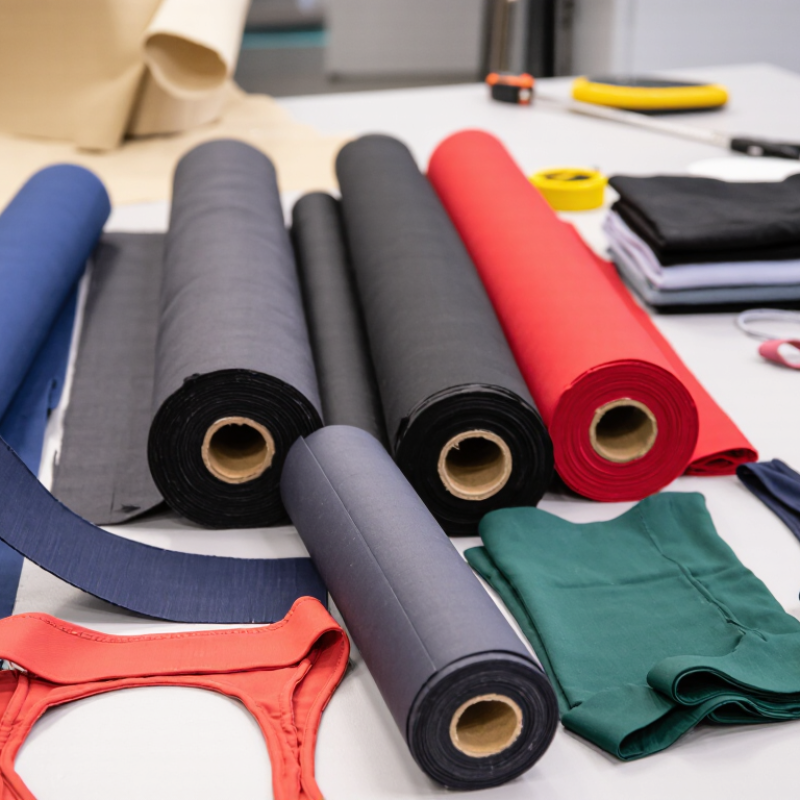
Stretch fabrics combine recovery with movement, making them useful for clothing that must follow the body without feeling restrictive. Their performance depends on fiber content, knit or weave structure, and fabric weight. Elastane is often blended with polyester, nylon, or cotton to add stretch, but the blend alone does not determine comfort. Construction matters. A compact knit may feel supportive in activewear, while a lighter jersey can suit T-shirts and close-fitting layers. Small changes in yarn tension can affect stretch, drape, and recovery. That detail is easy to miss.
Tips: Check stretch and recovery in both directions. Pull a fabric sample, release it, and look for lingering ripples. Also consider opacity when stretched; a swatch that looks solid on a table may become sheer on the body.
Applications range from swimwear and leggings to medical garments, upholstery, and fitted uniforms. Each use calls for different priorities. Sportswear may need moisture management and strong recovery, while everyday apparel often benefits from softness and easy care. Furniture coverings need enough flexibility to fit curved surfaces, yet should resist sagging with regular use. Testing samples under realistic conditions helps buyers compare options more reliably than relying on a specification sheet alone. Still, testing every possible condition is rarely practical, so decisions involve trade-offs. A fabric that feels excellent in a showroom may behave differently after repeated washing.
Typical elastane content by application (% of fabric weight). These indicative ranges vary with fabric construction, performance requirements, and supplier specifications.
Stretch fabrics combine elastic fibers such as elastane with other fibers to provide different levels of fit, comfort, and recovery. Always confirm composition and stretch performance with the fabric supplier.
Choosing a stretch fabric manufacturer starts with the intended use, not a glossy swatch. Yoga leggings, support garments, and fitted jackets place different demands on recovery, opacity, and abrasion resistance. Ask for the fabric composition, weight, width, and test methods in writing. Compare samples after repeated stretching and washing, not just fresh from the roll. Small differences matter. A 220 gsm knit may feel stable on a table yet turn sheer during movement. Ask how the supplier controls batch shade, knitting tension, and finishing, and whether production records can be traced to a lot.
Reliable evaluation also includes communication and capacity. Request a clear sampling timeline, minimum order quantity, and lead-time range for samples and bulk production. Check whether the mill can explain test results, including recovery after laundering, instead of sending unexplained figures. If a visit is impractical, ask for dated process photos and a recent inspection report. Elastane percentage alone does not predict comfort or durability. It is tempting to choose the softest swatch, but that can be a weak decision. Handfeel may change after dyeing, heat setting, and sewing. Keep a retained sample, agree on tolerances, and reassess specifications when the design changes.
East Asian manufacturing hubs are often strong in high-volume circular knits, warp knits, and finely controlled elastane blends. Buyers can compare fabric recovery, width consistency, and shade matching across repeat lots. Textile Exchange’s Materials Market Report 2024 estimates that global fiber production reached 124 million tonnes in 2023, with polyester accounting for 57%. This scale supports broad material availability, but it does not guarantee stretch performance. Ask for test results, not just a swatch.
South Asian mills commonly offer cotton-rich stretch jerseys and woven blends suited to warm-weather apparel. European suppliers often focus on technical knits, documented processes, and smaller development runs. These are tendencies, not rules. A well-equipped mill can outperform its regional stereotype. Check recovery after repeated extension, pilling, and dimensional change after washing; these details matter more than a polished sales sheet.
For global sourcing, specify end use before comparing quotations. A waistband, swim garment, and lightweight shirt need different stretch and recovery profiles. Request production-lot data alongside sample measurements, since hand feel can shift between batches. It can be frustrating. Regional sourcing guides help narrow the search, but they rarely reveal how reliably a factory repeats a fabric construction.
For stretch fabric buyers, stated capacity matters less than verified output. Ask manufacturers for monthly knitting and dyeing volumes, machine lists, minimum order quantities, and peak-season lead times. Textile Exchange’s Materials Market Report 2024 estimates global fiber production reached 124 million tonnes in 2023, with growth expected to continue. That scale makes resilient sourcing important. A supplier should explain backup yarn sources and how elastane shortages affect delivery. Small details count: a delayed dye lot can leave finished fabric waiting in rolls.
Certifications help compare suppliers, but check their scope and validity. OEKO-TEX STANDARD 100 tests textile products for harmful substances; GRS addresses recycled-content claims and chain of custody. Neither certificate alone proves consistent stretch recovery or shade matching. Request recent audit documents, test reports, and samples from actual production—not only showroom swatches. Then compare recovery, shrinkage, colorfastness, and weight against your own specifications. A spreadsheet can still flatter a mill.
Tips: Request capacity figures by process, not just total factory output. Ask for a trial order, written tolerances, and a shipment plan covering delays. Compare air, sea, and regional stock options. Keep one point of doubt: sample quality may not predict bulk quality.
| Manufacturer Type | Common Stretch Fabric Offerings | Production Capacity Comparison | Certifications and Evidence to Request | Typical Supply Options | Best Fit for Buyers |
|---|---|---|---|---|---|
| Integrated textile mill | Knitted or woven fabrics with elastane; may offer dyeing and finishing in-house. | Potentially supports larger, repeat orders across multiple production stages. Actual monthly output, minimum order quantity, and lead time are facility- and fabric-specific; request written figures for the exact specification. | Ask for current, scope-specific certificates and transaction documents. OEKO-TEX Standard 100 tests textile articles for harmful substances; GRS applies to recycled-content claims and associated chain-of-custody requirements. Verify certificate validity and product scope. | Bulk greige or finished fabric; custom color and finish programs; repeat-order planning may be available. | Buyers seeking coordinated production, repeat supply, or multiple processing stages from one supplier. |
| Specialist knitting mill | Warp-knit and circular-knit stretch fabrics, including jersey, interlock, and power-knit constructions. | Capacity depends on machine type, gauge, fabric construction, and finishing access. Compare confirmed output for the requested fabric rather than relying on a general mill-wide capacity figure. | Request test reports for composition, dimensional stability, colorfastness, and performance claims. For chemical or recycled-content claims, check the relevant certificate and its scope. | Custom construction development, greige fabric, or finished fabric through an in-house or partner dyehouse. | Buyers prioritizing knit construction, stretch recovery, or technical fabric development. |
| Woven-stretch producer | Stretch woven fabrics using elastane yarns or mechanical stretch, commonly for apparel and workwear. | Available loom capacity and finishing throughput vary by construction and color program. Confirm trial-lot availability, bulk capacity, and delivery schedule separately. | Request composition and performance test results, including stretch and recovery where relevant. ISO 9001 concerns a quality-management system; it is not a product-performance certificate. | Stock-supported basics or made-to-order colors and finishes, depending on the supplier’s range. | Buyers needing woven hand feel, structured garments, or stretch workwear materials. |
| Fabric converter or sourcing-led supplier | Sources stretch fabrics from one or more mills and may coordinate dyeing, finishing, inspection, or export logistics. | Supply depends on the underlying production mills and allocated capacity. Ask which facility will make the order and obtain facility-level capacity and traceability details. | Check that certificates and test reports identify the actual production site and apply to the ordered material. For organic claims, GOTS covers defined requirements for organic fibers and processing; verify the applicable scope. | May offer consolidated sourcing, smaller assortments, stock programs, or coordinated shipments; availability is supplier-specific. | Buyers seeking broader sourcing support or consolidated orders across fabric types. |
Buyer note: These are supplier-type comparisons, not rankings of named companies. There is no single reliable capacity figure for a manufacturer without a specified fabric, facility, production period, and order scope. Before placing an order, confirm MOQ, monthly capacity for the exact construction, lead time, test methods, certificate validity, and shipment terms in writing.
For global buyers, selecting a stretch fabric manufacturer means checking more than price and sample appearance. Ask how the factory controls yarn sourcing, knitting tension, dyeing, and finishing across repeat orders. A swatch may recover well after stretching, yet a bulk roll can behave differently after washing. Request test results for stretch and recovery, dimensional stability, colorfastness, and fabric weight, using agreed methods and tolerances.
Scale matters. Textile Exchange’s Materials Market Report 2024 estimates that global fiber production reached 124 million tonnes in 2023. That figure signals a large, complex supply chain, not guaranteed access to consistent materials. Ask manufacturers to identify fiber origins, production sites, minimum order quantities, lead times, and backup capacity. Check whether traceability documents match the actual material and facility. Details matter.
Before committing, compare production samples with a signed specification and test them under your intended care conditions. A clear corrective-action process is useful when test results miss target. Factory audits can reveal practices, but one visit is only a snapshot. No checklist is perfect. Buyers should also leave room to reassess assumptions, especially when a low quote depends on unusually short lead times or vague material descriptions. Reference: Textile Exchange, Materials Market Report 2024.