Top 5 Tips for Choosing Recycled Polyester Fabric for Your Projects
Choosing the right fabric for your projects can be daunting. Recycled Polyester Fabric has become popular due to its eco-friendly properties. This sustainable option not only reduces waste but also offers durability and versatility. It’s important to find the right type for your specific needs.
When selecting Recycled Polyester Fabric, consider its source and quality. Not all recycled fabrics are created equal. Some may contain harmful chemicals, affecting both durability and safety. Investigate the manufacturer’s reputation and ensure they adhere to environmental certifications. This research can reflect on the fabric’s performance in real-world applications.
Furthermore, think about the intended use of the fabric. Whether for clothing, upholstery, or outdoor gear, the choice of Recycled Polyester Fabric can impact the success of your project. Each project requires a specific texture and strength. It’s essential to balance aesthetics with practical requirements. Ultimately, the goal is to create something that is not only visually appealing but also sustainable and functional.

Understanding Recycled Polyester Fabric: An Overview
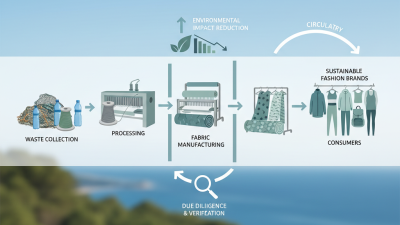
Recycled polyester fabric has gained popularity as a sustainable choice in the textile industry. This material is made from recycled plastics, often PET bottles. It is an eco-friendly alternative that reduces waste and conserves resources.
When considering recycled polyester, evaluate its texture and durability. Some fabrics may feel different than traditional polyester. It’s essential to test samples before committing to a larger purchase. Additionally, check the fabric’s weight and thickness, as these factors influence the final project’s quality.
Be aware that not all recycled polyester is created equal. Production methods can vary, impacting the overall performance of the fabric. Research suppliers to ensure they prioritize sustainability and ethical practices. Always question whether the fabric meets your specific project needs. This thoughtful approach can lead to better choices for your creations.
Top 5 Tips for Choosing Recycled Polyester Fabric for Your Projects
| Tip |
Description |
Benefits |
Considerations |
| Check Certification |
Look for recycled polyester fabrics certified by reputable organizations. |
Ensures the material meets environmental standards. |
Certifications can vary; research what is credible. |
| Evaluate Material Quality |
Assess the texture and durability of the fabric. |
High quality fabric ensures longevity of your projects. |
Higher quality may come with a higher price tag. |
| Consider Colorfastness |
Check if the fabric is treated for colorfastness. |
Prevents colors from fading after washing. |
Test strips or samples may be required for assurance. |
| Assess Environmental Impact |
Research the production process of the fabric. |
Choose processes with minimal environmental impact. |
Not all recycled fabrics are equally sustainable. |
| Choose the Right Weight |
Select fabric weight based on intended use. |
Ensures the fabric performs well for your project needs. |
Lighter fabrics may be less durable for heavy-duty use. |
Identifying Quality Indicators in Recycled Polyester Materials
When selecting recycled polyester fabric, understanding quality indicators is essential. Look for certifications like Global Recycled Standard (GRS). This ensures that the fabric meets strict environmental and social criteria. According to the Textile Exchange, the global demand for recycled polyester is increasing, with a 30% rise from 2019 to 2021. This trend reflects an industry commitment to sustainability.
Another indicator of quality is the source of the recycled materials. Check if the fabric is made from post-consumer plastic waste, which has a lower carbon footprint. The Association of Plastic Recyclers (APR) states that using recycled polyester can save up to 70% of energy compared to virgin polyester. Fabrics labeled as "100% recycled" indicate a higher level of sustainability. However, not all labels are transparent, leading to potential confusion.
Consider the texture and feel of the fabric. High-quality recycled polyester should be durable yet soft. It's essential to balance sustainability with performance. Sometimes, the recycled materials may not meet industry expectations for comfort. Prioritize suppliers who provide transparency about their production processes. Reliable sourcing can significantly affect quality perception, leading to better project outcomes.
Top 5 Tips for Choosing Recycled Polyester Fabric for Your Projects
Evaluating Sustainability Certifications for Recycled Fabrics
When selecting recycled polyester fabric, sustainability certifications should be a primary consideration. These certifications provide essential insights into the fabric's environmental impact and manufacturing practices. According to the Global Recycling Standards, only about 20% of recycled materials meet stringent certification requirements. This statistic highlights the need for careful evaluation.
Certifications such as GRS (Global Recycled Standard) and OEKO-TEX® Standard 100 indicate that the fabric has undergone rigorous testing. GRS focuses on the recycling process, ensuring materials are genuinely recycled. OEKO-TEX® emphasizes the absence of harmful substances. Fabrics carrying these certifications often reflect a commitment to sustainability, but not all recycled fabrics are created equal. One study found that 30% of consumers are misinformed about recycled materials' eco-friendliness. This shows the importance of transparency in the textile industry.
While certifications can guide choices, looking beyond them is crucial. Investigate the brand's entire supply chain. Understand the energy sources and waste management practices involved in production. Even certified fabrics can have hidden environmental impacts. Engaging with manufacturers can lead to more informed decisions. Transparency and authenticity should be the ultimate goals in sustainable fabric choices.
Comparing Texture and Durability in Recycled Polyester Options
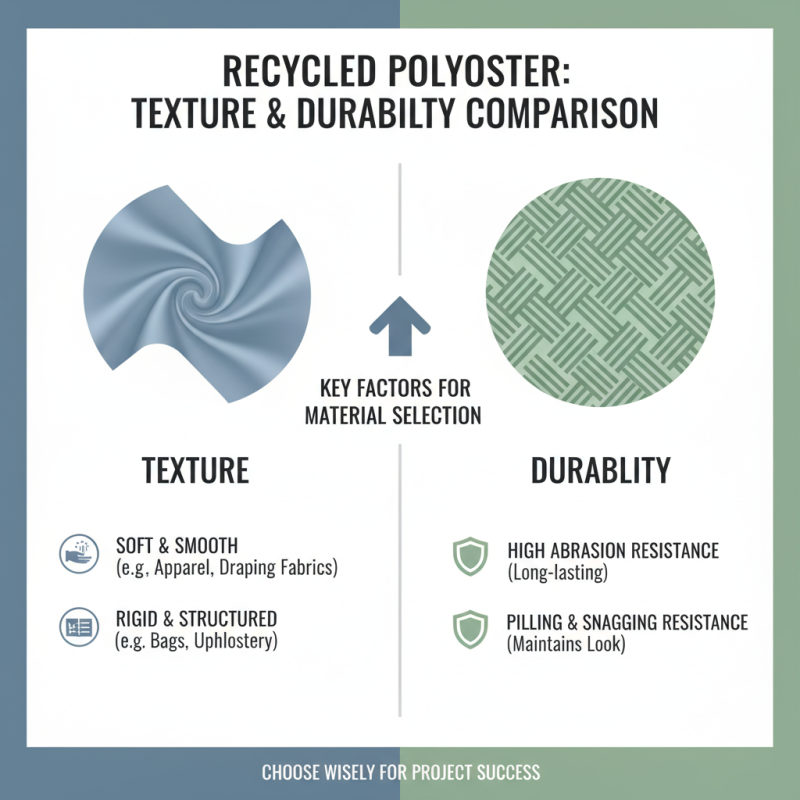
When choosing recycled polyester fabric, texture and durability are key factors. Texture significantly impacts the feel of the final product. Some recycled polyester options may feel soft and smooth, while others have a more rigid texture. Consider how the fabric will drape and whether it meets the tactile expectations for your project. An evaluation of the fabric’s surface can also reveal its suitability for various uses.
Durability is equally important. Recycled polyester is often praised for its strength, but not all options are created equal. Some fabrics are designed to withstand intense wear, while others may fade or wear thin after repeated use. Testing a fabric sample can provide insight into its resilience. Furthermore, consider the manufacturing processes; some treatments can enhance durability. Not all recycled polyester meets the highest performance standards. Reflect on your project's long-term needs and how fabric choices align with those requirements.
Budgeting: Cost Considerations When Selecting Recycled Polyester
When selecting recycled polyester fabric, budgeting plays a crucial role. Prices can vary widely based on quality and sourcing. It's essential to analyze your project's financial constraints early on. Understanding the cost per yard helps in making informed choices. This practice ensures that you don’t overspend while still acquiring quality materials.
Keep in mind that cheap isn’t always cheerful. Sometimes, low-priced options may compromise durability and appearance. Look for reputable suppliers who maintain a balance between cost and quality. Investing in slightly more expensive fabric can save you money in the long run. Projects using subpar materials often require more frequent replacements.
Consider the total cost of ownership. This includes both purchase price and projected longevity. Projects that rely heavily on recycled polyester should factor in environmental impact too. Sometimes this means spending a bit more. Remember, the fabric you choose reflects your commitment to sustainability. Balancing budget and quality can be a challenging yet rewarding journey.