Leave Your Message

Top 10 Micro Fabric Manufacturers for Global Buyers

Micro Fabric is known for its fine fibers, smooth surface, and adaptable performance. Depending on its construction, it may suit apparel, upholstery, cleaning products, or other applications. The name alone, however, does not tell buyers how a fabric will feel or perform. Weight, fiber content, weave, finish, and durability all matter. Details matter.

This guide introduces ten Micro Fabric manufacturers for global buyers. It offers a starting point for comparing product ranges, production capabilities, customization options, and communication practices. These factors can shape a sourcing decision as much as price does. A clear specification helps: include the intended use, target weight, color requirements, and expected order volume when requesting quotations. Ask about minimum order quantities, sample availability, production lead times, and quality checks. Samples matter. A fabric swatch can reveal texture and color differences that a product description may miss.

Supplier profiles and published claims should still be checked directly. Buyers can request current technical data, sample yardage, and relevant quality documentation before making commitments. No shortlist is flawless. A strong catalogue cannot reveal every production variation, and delivery performance may differ by order. Comparing suppliers carefully—and recording unanswered questions—can reduce avoidable surprises. The right partner is not simply the one with the broadest range; it is the one whose materials, service, and capabilities fit a buyer’s actual needs.
Top 10 Micro Fabric Manufacturers for Global Buyers

Microfabric Defined: Microfibers Measure Less Than 1 Denier

Microfabric describes fabric made from very fine fibers; the key measurement is denier per filament. A filament below 1 denier is classified as a microfiber. One denier means 1 gram of fiber weighs 9,000 meters long. That is a useful specification, not a quality guarantee. A soft hand feel, dense weave, or strong seam depends on construction and finishing too.

The market context is substantial. Textile Exchange’s Materials Market Report 2023 estimated global fiber production at 116 million tonnes in 2022; its 2024 report put 2023 production at 124 million tonnes. These totals cover all fiber types, not microfibers alone. They show why buyers should request precise technical data rather than rely on the word “micro.” A fabric may use fine filaments but still feel thin or snag easily. I would check the sample, not just the spec sheet.

Tips: Ask suppliers for denier per filament, fabric weight in grams per square meter, and a test method for durability. Rub a swatch against a rough surface and inspect the edges. Small checks matter. If the supplier cannot explain how the figure was measured, pause before comparing prices.
Market Context: Global Fiber Production Reached 124 Million Tonnes in 2023

Global fiber production reached 124 million tonnes in 2023, according to Textile Exchange’s Materials Market Report 2024. Its 2023 edition reported 116 million tonnes for 2022. The increase is substantial. Yet these totals cover many fiber types and applications, not microfabrics alone. That distinction matters.

For global buyers, the figures suggest a vast raw-material base, but not automatic supply security. Polyester, cotton, man-made cellulosics, and other fibers compete for production capacity, energy, water, and transport. At mill level, a lightweight microfiber fabric still depends on yarn fineness, weave density, finishing, and consistent fabric weight. A swatch can look smooth under showroom lights, then pill or snag after repeated abrasion. Small details matter.

Use production statistics as context, then verify the fabric itself. Request fiber-content documents, lot-level test results, and abrasion or pilling data. Compare samples after washing, not only straight from the roll. Textile Exchange’s reports help show market scale, although estimates may change as underlying data improves. A little caution is healthy. The 124-million-tonne headline does not guarantee uniform quality, traceability, or availability of a specific fabric construction.

Supplier Evaluation: Compare GSM, Fiber Blend, Width, and ISO 13934-1 Strength

When comparing microfibre manufacturers, treat GSM as a measurable specification, not a quality score. A 120 GSM fabric may feel light and dry quickly, while a heavier option can offer more coverage but retain more moisture. Request the stated tolerance and verify it on a production sample. Small differences matter.

Check the fiber blend against the end use. Polyester-rich fabrics often dry quickly, while added polyamide can change softness and abrasion behavior. Percentages alone do not predict hand feel, though. Ask for a swatch, then rub it between your fingers and inspect the surface under bright light. It is a simple check, not a laboratory result.

Confirm usable width, excluding selvages, and ask whether the quoted figure is nominal or measured. This affects cutting plans and fabric yield. For strength, request ISO 13934-1 results in both warp and weft directions, with units and test conditions shown. Ask for the method. A single tensile figure can hide directional weakness. Compare reports from the same test method, and consider testing an independently selected sample when the order is substantial. Supplier paperwork helps, but it should not replace physical inspection; even a careful evaluation can miss variation between rolls.

Top 10 Microfabric Manufacturers: Compare Products, Capacity, and Export Markets

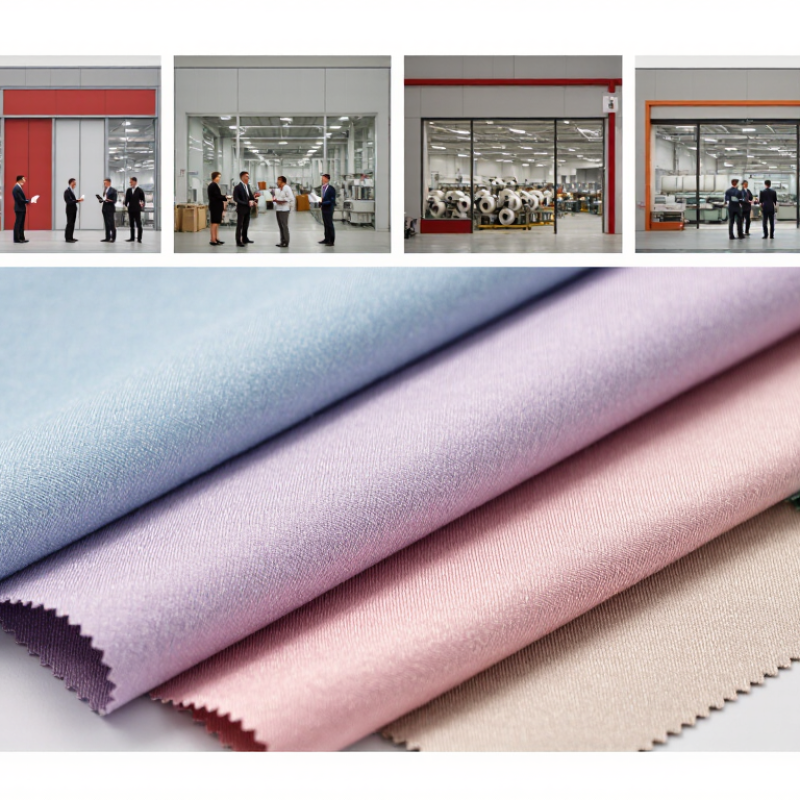
Global buyers comparing ten microfabric manufacturers should look beyond quoted prices. Product ranges may include microfiber suede, cleaning cloth, lining, and brushed polyester, but similar labels can hide differences in weight, softness, and finish. Request swatches and compare them under the same light. Check fabric width, composition, colorfastness, and the available test reports before judging quality.

Tips: Ask for monthly capacity, minimum order quantity, and typical lead time in writing. Clarify whether stated capacity covers your fabric type and color, not the factory’s entire output. Small details matter. Also request recent export-market references or shipping documents with confidential information removed.

Export experience can affect communication, packing, and delivery planning. Ask which regions the manufacturer regularly serves and how it handles sample approval, production updates, and defects. Compare capacity against your forecast, including seasonal peaks; a large number alone proves little. A neat spreadsheet can still miss shade variation between lots, and I would not treat one sample as a guarantee. Confirm inspection criteria and replacement terms before placing a bulk order.

Microfiber Fabric: Typical Product Weight Ranges

A buyer-focused comparison of common microfiber fabric categories by weight (GSM).

Lightweight linings and apparel fabrics generally use lower GSM, while cleaning cloths and upholstery fabrics are typically heavier. These are indicative product-specification ranges, not manufacturer capacity or export figures; actual weights vary with fiber, weave, and finish.

Buyer Verification: Check OEKO-TEX STANDARD 100 and ISO 9001 Credentials

A micro-fabric certificate is useful only when its scope matches the fabric you plan to buy. Check the OEKO-TEX STANDARD 100 certificate number, validity date, product class, and listed materials. A certificate for one fabric construction may not cover a different dye, finish, or lining. Ask for the current document, then verify it through the scheme’s official certificate-checking service. Small details matter.

ISO 9001 is different. It assesses a supplier’s quality-management system, not the safety or performance of every fabric roll. ISO’s 2022 Survey reported 1,265,216 valid ISO 9001 certificates across 189 countries and economies. That scale makes verification important: confirm the certificate is active, covers the relevant production site, and names activities related to your order. Check the issuing body, too. A tidy PDF is not enough. Ask how the mill records shade variation, shrinkage, and inspection results between batches. Those records reveal whether procedures reach the cutting table. No credential guarantees flawless production. A supplier may still have uneven lots, and buyers can overlook this when samples look perfect. Request a production-lot sample and compare its test data with the approved specification.

Top 10 Micro Fabric Manufacturers for Global Buyers - Buyer Verification: Check OEKO-TEX STANDARD 100 and ISO 9001 Credentials

Buyer verification matrix: these are supplier evaluation criteria, not claims about specific manufacturers. Request current, scope-matched documents and verify them with the issuing organizations before placing an order.

# Verification dimension Evidence to request Buyer verification
1 OEKO-TEX STANDARD 100 Certificate or label number, product description, product class, certificate holder, and validity details. Check the number through OEKO-TEX’s official Label Check and confirm the certificate covers the offered fabric or finished product.
2 ISO 9001 quality management Certificate number, certification body, accredited scope, covered site(s), and current status. Verify with the certification body or relevant accreditation directory. ISO 9001 certifies a management system, not a fabric product.
3 Fiber composition and microfiber specification Technical data sheet stating fiber types, blend percentages, and fiber fineness where applicable. Compare the specification with the purchase order and request a test report for composition or fineness when required.
4 Fabric construction Woven or knitted construction, yarn details, construction parameters, and product code. Approve a sealed reference sample and confirm bulk production matches its construction and appearance.
5 Weight, width, and tolerances Declared fabric weight and usable width, measurement units, and agreed tolerance limits. Specify the test method and acceptance limits in the contract; check inspection results against those limits.
6 Colorfastness and physical performance Test reports for relevant properties, such as colorfastness to washing or rubbing, tensile strength, and dimensional stability. Check that reports identify the tested material, test method, result, and laboratory; agree requirements for the end use.
7 Dyeing and finishing controls Available finishes, restricted-substance declarations where required, and batch-level color approval records. Confirm the requested finish and shade standard in writing; request test evidence appropriate to the destination market and product.
8 Production-site and process traceability Manufacturing address, process list, subcontracting disclosure, and lot or batch identification procedure. Match the certified site and documented production scope to the actual processes used for the order.
9 Sampling and pre-shipment inspection Sample approval records, inspection plan, defect classification, and final inspection report. Agree sampling and acceptance criteria before production; retain approved samples and inspection records.
10 Commercial and delivery capability Written quotation, minimum order quantity, production lead time, packaging details, and delivery terms. Confirm all terms against the purchase order and request written notice of any changes to materials, sites, or schedules.

Note: OEKO-TEX STANDARD 100 concerns testing of textile articles for harmful substances. A certificate must be checked for its product scope and current status; it should not be treated as proof of every environmental or social claim.