Choosing recycled polyester is no longer only an environmental statement. For global buyers, it is a sourcing decision involving performance, traceability, price, and delivery reliability. Rpet Fabric can be produced from post-consumer bottles, pre-consumer waste, or blended recycled inputs. Each source affects softness, color consistency, strength, and certification options. A sportswear buyer may need quick-drying interlock. A bag manufacturer may prefer durable oxford or ripstop. Home-textile brands often seek brushed fleece or recycled mesh. These choices are not interchangeable.
This guide explores ten practical types of RPET fabric for international purchasing teams. It considers weave, knit structure, weight, finish, end use, and production risks. Real supplier evaluation requires more than a recycled-content claim. Buyers should request test reports, transaction certificates, fiber composition records, and representative swatches. Ask how color variation is controlled. Check whether the fabric survives washing, abrasion, pilling, and repeated use. Small details matter. A beautiful sample can still fail bulk inspection.
The market is not perfectly consistent. Some suppliers describe blended fabric too broadly. Others provide clear documents but limited color capacity. That gap deserves attention. Experienced teams compare specification sheets with physical samples and factory evidence. They also confirm minimum order quantities, lead times, packaging, and communication routines. This article offers a practical starting point, not a substitute for independent verification. Better decisions come from questioning attractive claims, testing realistic samples, and accepting that sustainable sourcing still involves compromises.
RPET fabric begins with collected PET waste, not a single uniform material. The main stream is used beverage bottles. Other sources include food containers, manufacturing scraps, rejected preforms, and polyester textile waste. Each stream carries different colors, additives, moisture levels, and contamination risks.
Global recycling data remains uneven. The OECD reported that only about 9% of global plastic waste was recycled in 2019. PET performs better in many collection systems, but results differ sharply by country. Some markets recover more than half of PET bottles, while others lack reliable sorting infrastructure. These figures can look precise, yet collection methods are not always comparable. That deserves caution. In practice, recycled content claims need supplier records, bale information, and batch-level testing.
Tips: Ask whether the RPET comes from post-consumer bottles or factory waste. Request evidence for recycled content and chain-of-custody controls. Check fabric color, odor, tensile strength, and wash performance before bulk orders. Mechanical recycling is common, but repeated processing may reduce polymer quality. Chemical recycling can offer another route, although availability and energy data remain inconsistent. Buyers should also remember that “bottle-based” does not automatically mean higher quality. A clean, well-sorted feedstock usually matters more than a fashionable claim.
Top 10 Types of RPET Fabric for Global Buyers
Ten RPET Fabric Types by Fiber, Filament, Knit, Weave, and Surface Finish
RPET fabric begins with recycled PET bottles, but its performance depends on processing. Staple-fiber RPET feels cotton-like and suits shirts or workwear. Hollow fiber gives lightweight insulation for jackets and home textiles. Continuous-filament RPET offers a smooth appearance and stable strength. Textured filament creates stretch-like bulk without adding excessive weight. These differences matter during sampling.
Knitted RPET includes single jersey for soft, breathable tops and interlock for a denser, smoother hand. Woven RPET includes plain weave for everyday durability and twill for stronger workwear. Brushed RPET fleece provides a warm, raised surface, while laminated RPET adds wind resistance and structure. A tenth option is mesh RPET, which supports airflow in sportswear and bags. Surface finish changes comfort, drying speed, abrasion resistance, and appearance.
Tips: Request the fiber content, fabric weight, width, shrinkage, colorfastness, and pilling results. Check samples after washing, not only before shipment. Some recycled fabrics feel excellent initially but lose softness after repeated laundering. That is easy to overlook. Buyers should also confirm the recycled-content documentation and test method. Specifications can still miss real-world handling, so a small production trial remains worthwhile.
| No. | RPET Fabric Type | Fiber or Yarn Structure | Fabric Construction | Typical Surface Finish | Typical Weight | Typical Width | Main Performance Characteristics | Common Applications | Key Buyer Checks |
|---|---|---|---|---|---|---|---|---|---|
| 1 | RPET Staple-Fiber Jersey | Recycled polyester staple fibers, commonly blended with elastane for stretch | Single jersey knit | Softened, silicone-treated, or moisture-management finish | 120–220 g/m² | 150–190 cm | Soft hand feel, good drape, breathable knit structure, and comfortable stretch when elastane is included | T-shirts, base layers, casualwear, children’s clothing, and lightweight sportswear | Check pilling grade, spirality, dimensional stability after washing, elastane percentage, and colorfastness |
| 2 | RPET Filament Interlock | Continuous recycled polyester filament yarn, often made from partially oriented or drawn yarn | Double-knit interlock | Brushed, peach, wicking, or anti-static finish | 180–280 g/m² | 160–190 cm | Smoother and more stable than single jersey, with good opacity, recovery, and abrasion resistance | Activewear, leggings, uniforms, polo shirts, and travel apparel | Verify stretch and recovery, fabric weight tolerance, snag resistance, pilling performance, and print compatibility |
| 3 | RPET DTY Tricot | Recycled polyester draw-textured yarn with crimped filament structure | Warp-knit tricot | Brushed, wicking, anti-pilling, or chlorine-resistant finish | 140–240 g/m² | 150–180 cm | Lightweight, smooth, dimensionally stable, and resistant to laddering compared with many weft knits | Sports jerseys, lining, swimwear, compression garments, and performance apparel | Check stretch direction, fabric recovery, run resistance, chlorine resistance where required, and shade consistency |
| 4 | RPET Microfiber Fleece | Fine recycled polyester staple or microfilament yarns | Knitted fleece with raised inner or outer surface | Brushed, sheared, anti-pilling, and sometimes water-repellent | 220–360 g/m² | 150–180 cm | Warm, soft, lightweight, quick-drying, and suitable for thermal layering | Fleece jackets, blankets, sweatshirts, outdoor linings, and pet products | Check fleece height, shedding, pilling after laundering, bulk recovery, colorfastness, and air permeability |
| 5 | RPET Woven Taffeta | Recycled polyester filament yarn, generally fine denier | Plain weave | Calendered, cire, water-repellent, or anti-static finish | 55–110 g/m² | 145–165 cm | Lightweight, smooth, wind-resistant, low moisture absorption, and easy to pack | Jacket shells, linings, bags, windbreakers, umbrellas, and lightweight accessories | Review tear strength, seam slippage, coating adhesion, hydrostatic pressure, and colorfastness to rubbing |
| 6 | RPET Oxford Fabric | Recycled polyester filament or spun yarn, frequently using a heavier warp or basket construction | Basket or Oxford weave | PU-coated, PVC-coated, TPU-laminated, or durable water-repellent | 180–600 g/m² | 145–160 cm | Higher tear resistance and abrasion resistance than lightweight plain-weave fabrics | Backpacks, luggage, workwear, outdoor equipment, and protective covers | Check denier, coating thickness, hydrostatic pressure, tear strength, abrasion cycles, seam performance, and coating odor |
| 7 | RPET Twill | Recycled polyester spun or filament yarn; blended constructions are also available | 2/1 or 3/1 twill weave | Peached, brushed, soil-release, water-repellent, or mechanical stretch finish | 180–320 g/m² | 145–170 cm | Diagonal surface appearance, good durability, moderate drape, and strong suitability for structured garments | Uniforms, trousers, workwear, overshirts, caps, and utility products | Check skew, bow, seam slippage, abrasion resistance, shade matching, and dimensional change after washing |
| 8 | RPET Pique | Recycled polyester filament or spun yarn, optionally blended with elastane | Waffle or honeycomb pique knit | Moisture-wicking, anti-pilling, quick-dry, or UV-protective finish | 150–240 g/m² | 160–190 cm | Textured surface, good air circulation, moderate structure, and comfortable wear in warm conditions | Polo shirts, sports uniforms, golfwear, schoolwear, and promotional apparel | Evaluate collar compatibility, shrinkage, pilling, moisture transport, colorfastness, and surface snagging |
| 9 | RPET Softshell Laminate | Recycled polyester face fabric with a fleece or jersey back and a functional membrane layer | Three-layer or two-layer laminated construction | Durable water repellent on the face; breathable, windproof, or waterproof membrane | 280–420 g/m² | 145–160 cm | Wind resistance, weather protection, warmth, stretch, and improved comfort for outdoor use | Outdoor jackets, hiking trousers, workwear, cycling apparel, and sports accessories | Confirm hydrostatic pressure, moisture-vapor transmission, stretch recovery, peel strength, seam sealing, and wash durability |
| 10 | RPET Satin | Fine recycled polyester filament yarn with a smooth, lustrous filament surface | Satin weave | Calendered, anti-static, softening, or wrinkle-resistant finish | 70–160 g/m² | 145–160 cm | Low-friction surface, fluid drape, smooth hand, and distinctive sheen | Linings, fashion garments, scarves, sleepwear, decorative textiles, and packaging accessories | Check snag resistance, seam slippage, shade uniformity, colorfastness, surface gloss, and static buildup |
Global buyers often compare RPET fabric by weave, weight, stretch, and finish. Yet recycled content verification deserves equal attention. Under the Recycled Claim Standard, certified products generally need at least 5% recycled material. This threshold can support entry-level recycled claims, but it does not prove strong environmental performance alone. Buyers should review fiber percentages, supplier scope certificates, and transaction records before approving fabric.
The Global Recycled Standard raises the minimum recycled content threshold to 20%. It also includes requirements for chain of custody, social practices, chemical controls, and environmental management. A fabric may contain recycled polyester, but its certificate must match the actual product and production site. Check the certificate validity dates. Confirm the exact material blend.
A recurring audit lesson is simple: percentages can be misunderstood. A 20% recycled claim does not mean every yarn is recycled. It may describe the finished fabric’s total composition. Ask for laboratory reports and production documents. Small differences matter. Do not rely on a logo alone.
For RPET fabrics, buyers should compare certification level with intended use, customer requirements, and target markets. RCS may suit products meeting a basic recycled-content threshold. GRS may offer stronger verification for buyers needing broader production controls. However, certification paperwork can still contain gaps. Review it carefully.
Top 10 Types of RPET Fabric for Global Buyers
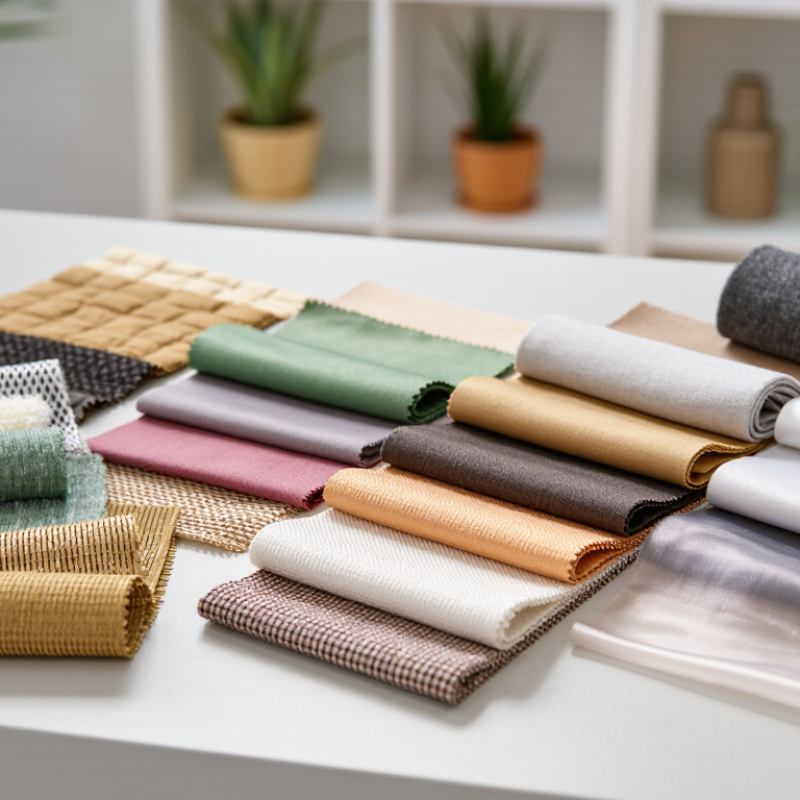
RPET fabric may appear similar across samples, but performance can differ sharply. Common options include jersey, fleece, mesh, woven fabric, oxford, taffeta, canvas, interlock, tricot, and nonwoven RPET. Buyers should record GSM for every roll. A 180 GSM jersey feels light and flexible, while a 320 GSM fleece offers more warmth and structure. GSM alone is not enough. Check thickness, handle, shrinkage, and fabric width together.
Tensile strength shows how fabric handles pulling during sewing and daily use. Request warp and weft results, not one combined figure. Colorfastness should cover washing, rubbing, perspiration, and light exposure. Dark recycled fibers may need closer inspection. Ask for test reports from competent laboratories and compare results with your intended market requirements. Fiber blend ratios also deserve careful review. A fabric labeled 100% RPET may perform differently from a 65% RPET and 35% polyester blend. Blends can improve stretch, softness, or durability, but they change recycling claims and care instructions. Small detail, major consequence. I have seen buyers approve a beautiful swatch, then reject the shipment after rubbing tests. That mistake is avoidable, though sampling is never perfect. Keep retained samples, define acceptable tolerances, and test production fabric rather than trusting color cards alone.
Top 10 Types of RPET Fabric for Global Buyers
RPET sourcing starts with traceability, not color cards. Buyers should request pellet origins, recycling process records, and transaction certificates. A reliable supplier can explain whether the fabric uses post-consumer bottles or industrial waste. This distinction affects environmental claims and buyer confidence. Check fiber content, recycled percentage, and batch identification before approving samples. Laboratory testing should cover colorfastness, tensile strength, pilling, and restricted substances. Compliance documents must match the actual production site, not only the trading office.
Application determines the best RPET type. Spun RPET suits uniforms and basic apparel, while filament fabric offers smoother surfaces for linings and sportswear. RPET fleece provides warmth, but its brushing quality can vary between batches. Mesh, woven, stretch, waterproof, and jersey constructions serve different performance needs. Cost depends on recycled feedstock quality, yarn count, fabric weight, dyeing method, finishing, order volume, and inspection requirements. Freight and energy prices also move quickly. A low quotation can hide weaker traceability or costly rework.
Tips: Ask for a sealed production sample, not only a showroom swatch. Compare GSM, width, shrinkage, and test results side by side. Keep a small reserve for color correction. Suppliers may promise stable shade control, yet actual bulk fabric can drift slightly. That risk deserves discussion before contracts are signed. Also, recycled content alone does not prove responsible sourcing; evidence and consistent production matter more.
Indicative global sourcing profile: traceability, compliance readiness, application versatility, and relative cost pressure.
Scores use a 0–100 sourcing index. Higher traceability and compliance scores indicate easier documentation and verification; higher application scores indicate broader end-use potential. Cost pressure reflects relative processing complexity, yarn or construction requirements, finishing needs, and order specifications—not quoted market prices. Buyers should verify recycled-content certificates, chain-of-custody records, chemical compliance, test reports, and final quotations for each purchase.