What Makes Yarn Dyed Fabric Popular for Global Buyers?
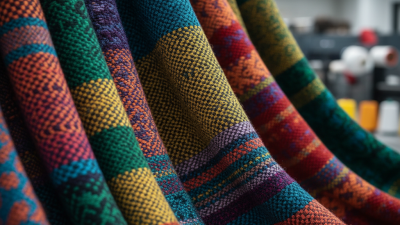
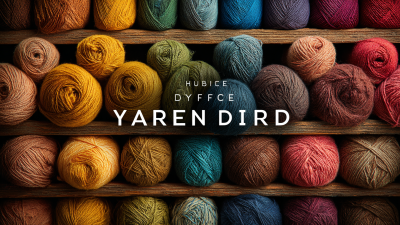
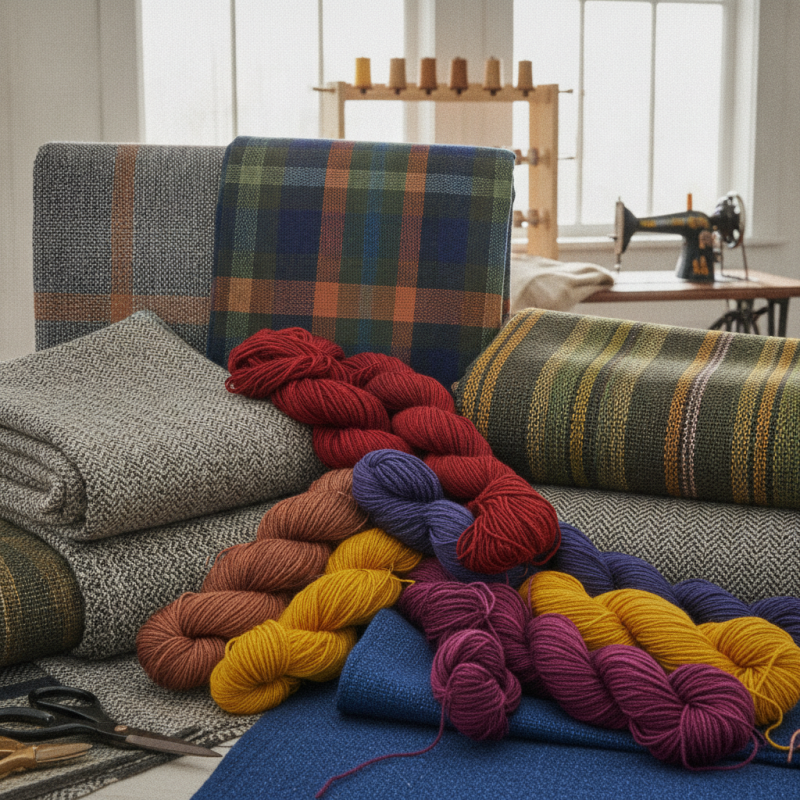
Yarn Dyed Fabric has gained immense popularity among global buyers. This fabric type offers a unique aesthetic due to its distinct color patterns. The process of dyeing the yarn before weaving creates depth and variation in color, enhancing visual appeal. For many designers, Yarn Dyed Fabric is a choice that reflects quality and craftsmanship.
Global markets are driven by trends in fashion and interior design. Yarn Dyed Fabric fits seamlessly into these trends, offering versatility for various applications. It is often associated with durability and long-lasting color retention. Buyers appreciate these attributes when selecting materials for clothing or home textiles.
However, challenges exist in sourcing high-quality Yarn Dyed Fabric. Not all suppliers maintain consistent dyeing techniques or fabric quality. Buyers must conduct thorough research and establish strong relationships with reliable manufacturers. This ensures they receive fabric that meets their standards. Embracing this process of evaluation can lead to better purchasing decisions in the long run.
Key Characteristics of Yarn Dyed Fabric that Attract Buyers
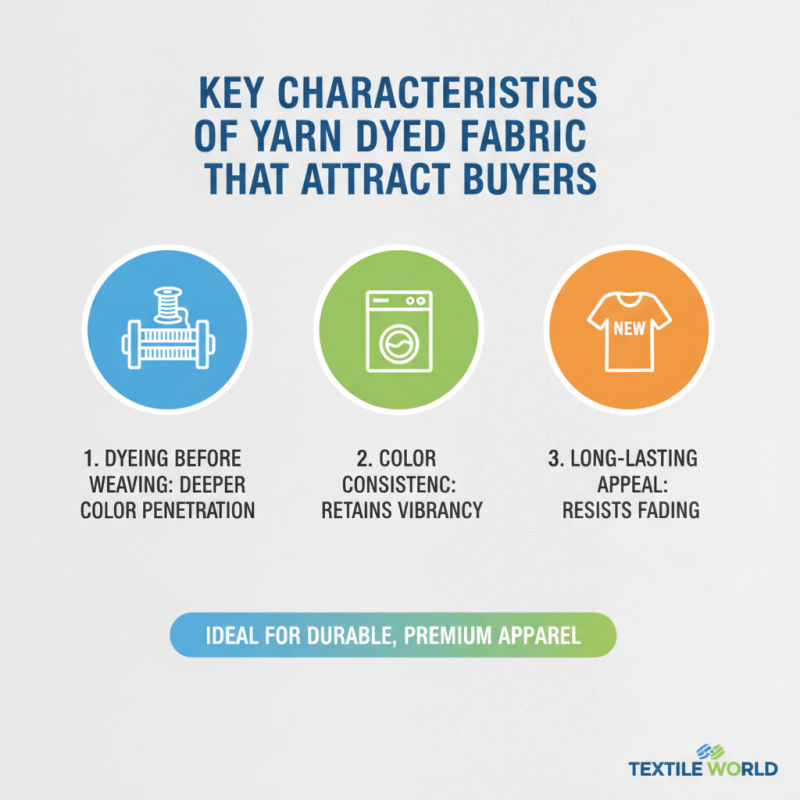
Yarn dyed fabric has gained immense popularity among global buyers due to its unique characteristics. One of its most notable attributes is color consistency. According to a report by Textile World, yarn dyed fabrics maintain color vibrancy even after multiple washes, making them ideal for long-lasting apparel. The dyeing process is done before weaving, which allows for deeper penetration and prevents fading.
Another key feature is the variety of textures and patterns achievable with yarn dyed techniques. As per the Global Textile Industry Report, 65% of consumers prefer fabrics that offer a blend of aesthetic appeal and functionality. This demand drives manufacturers to experiment with different yarns and dyeing methods, providing numerous options for buyers.
Tips: When selecting yarn dyed fabric, consider its application. For activewear, opt for synthetic blends that offer moisture-wicking properties. For home textiles, cotton blends provide comfort and durability. However, it's crucial to assess quality as some lower-cost options may not hold up over time. Be cautious; not all claims of colorfastness are equal. Research suppliers to find reliable sources that prioritize quality.
Comparison of Yarn Dyed Fabric with Other Fabric Dyeing Techniques
Yarn dyed fabric stands out in the textile industry due to its distinct qualities. Unlike other dyeing methods, such as piece or direct dyeing, yarn dyeing allows for precise color control and pattern complexity. According to a 2022 textile industry report, yarn dyed fabrics represent over 30% of the global market for dyed textiles, showcasing their increasing preference among buyers.
The process involves dyeing the yarns before weaving them into fabric. This technique results in vibrant colors and improved colorfastness, making garments look appealing over time. Studies indicate that yarn dyed fabrics show at least a 20% longer lifespan in color retention compared to piece dyed options. However, the process can be more labor-intensive and time-consuming. Some manufacturers struggle with maintaining consistency in dye batches, leading to potential discrepancies in the final product.
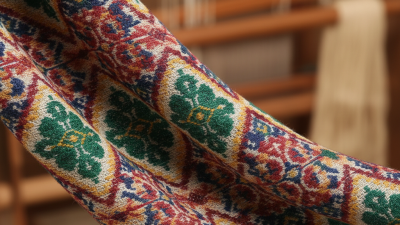
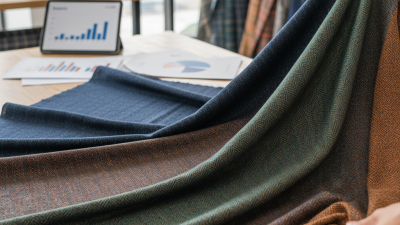
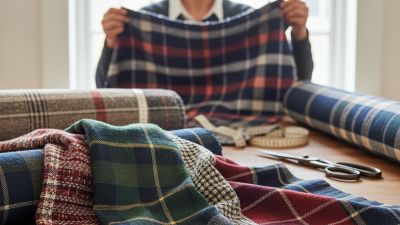
Buyers also appreciate the unique textures and patterns yarn dyed fabrics can offer. Techniques like weaving different colored yarns create intricate designs impossible with other dyeing methods. However, achieving the perfect balance in color and pattern requires skilled artisans. This craftsmanship may come at a higher price, but many find it justifiable for the enhanced aesthetic appeal. The demand for sustainable practices further pushes the popularity of yarn dyed fabrics, with many consumers prioritizing eco-friendly production methods.
What Makes Yarn Dyed Fabric Popular for Global Buyers?
| Fabric Type |
Color Quality |
Durability |
Cost |
Popular Uses |
Buyer Preference |
| Yarn Dyed |
High colorfastness |
Very durable |
Higher cost |
Apparel, Home textiles |
High demand |
| Piece Dyed |
Moderate colorfastness |
Durable |
Lower cost |
Shirts, Dresses |
Widely accepted |
| Digital Printed |
Vivid colors |
Less durable |
Moderate cost |
Fashion, Home Decor |
Trend-driven |
| Synthetic Dyed |
Variable quality |
Durable |
Lower cost |
Sportswear, Activewear |
Cost-effective |
Applications of Yarn Dyed Fabric in Various Industries and Fashion Trends
Yarn dyed fabric has gained traction across various industries, particularly in fashion. The versatility of this fabric allows for rich color palettes and intricate patterns. In 2022, the global yarn dyed fabric market was valued at approximately $20 billion, with a projected growth rate of 5% annually. Many manufacturers recognize the increasing demand for sustainable options, driving innovation in dyeing techniques.
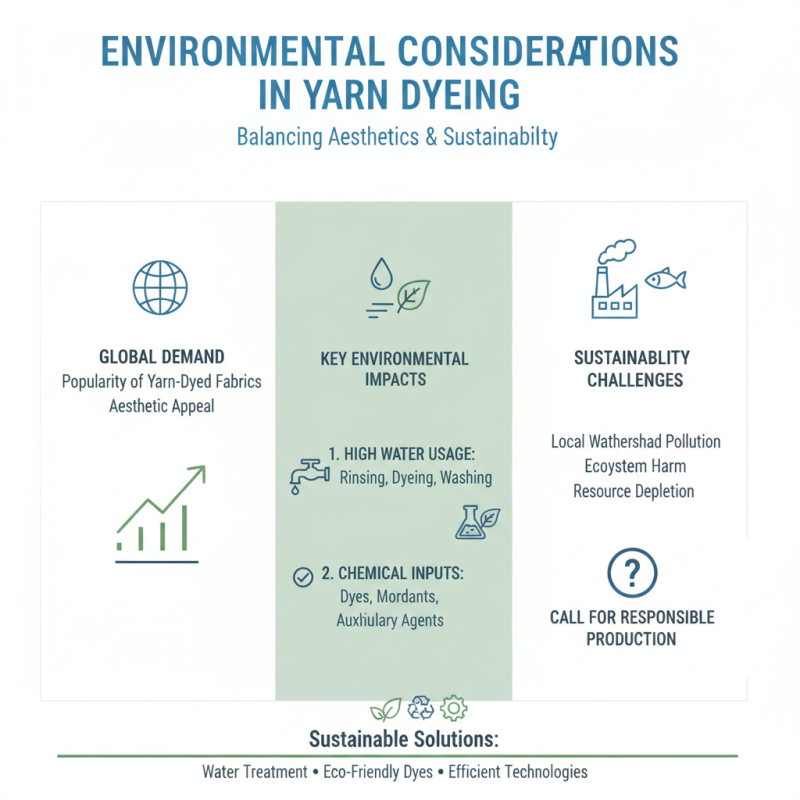
In the fashion sector, yarn dyed fabrics are prominent in collections for their vibrant colors and durability. Their application ranges from casual wear to high-end garments. Retailers have seen a trend toward eco-friendly products. For instance, a survey indicated that 72% of consumers prefer sustainable textiles. This shift influences designers to source yarn dyed materials that align with environmental goals.
Home textiles also benefit from yarn dyed fabrics. From curtains to upholstery, the aesthetic appeal captures consumer interest. However, challenges remain in balancing quality with cost. Some businesses find it hard to maintain consistent dye quality while managing expenses. As sustainability becomes a priority, the industry must navigate these complexities. Together, these dynamics shape the evolving landscape of yarn dyed fabrics.
Popularity of Yarn Dyed Fabric Among Global Buyers
This chart illustrates the applications of yarn dyed fabric across various industries and the corresponding popularity among global buyers, focusing on the following key sectors: Fashion Apparel, Home Textiles, Sportswear, and Specialty Fabrics.
Market Demand and Consumer Preferences for Yarn Dyed Fabrics Globally
Yarn dyed fabrics are gaining popularity in the global market due to their unique appeal. Buyers appreciate the depth of color achieved through yarn dyeing. This process allows for intricate patterns and vivid hues, making the fabric stand out. The demand for such materials often rises during fashion seasons, reflecting trends in design and aesthetics.
Consumer preferences lean towards fabrics that convey quality. Many purchasers prioritize sustainability and ethical production. Yarn dyed options often meet these criteria, as they are often crafted with care. Additionally, the durability of yarn dyed fabrics is a major selling point. They resist fading, maintaining their vibrant appearance over time.
Despite their merits, some consumers express concerns about cost. Yarn dyed fabrics tend to be pricier than others. This can deter budget-conscious buyers. It’s essential for manufacturers to communicate the value of these textiles beyond the price tag. Issues like environmental impact and support for local artisans should factor into their marketing strategy. A balance must be struck between affordability and quality.