How to Choose the Best RPET Fabric Supplier in 2026
Choosing the right Rpet Fabric supplier in 2026 is not just a price comparison. It is a decision about material consistency, traceability, and whether a supplier can meet your production needs without overpromising. A recycled-content claim may look convincing on a product sheet. Ask how it is verified. Request recent test reports, sample swatches, and clear details about feedstock, yarn, dyeing, and finishing. Small differences matter: a fabric roll that varies in shade or weight can disrupt cutting and create avoidable waste.
Circular-economy advocate Ellen MacArthur has described the goal as building an economy that is “restorative and regenerative by design.” That principle offers a useful lens for evaluating Rpet Fabric suppliers, though it is not a supplier endorsement. Look for evidence behind each claim, including batch records, applicable certifications, minimum order quantities, lead times, and how defects are handled. Speak with the production team, not only the sales contact. Ask what happens when a shipment misses specification. The answer can reveal more than a polished brochure.
There is no perfect supplier. A low-cost option may bring inconsistent lots; a technically strong mill may have long lead times. Compare samples under your actual lighting and test them in your intended application. Keep notes. Recheck assumptions. This guide examines the practical criteria, questions, and warning signs that can help buyers make a more informed choice in 2026.
Define Your RPET Fabric Requirements and Intended Applications
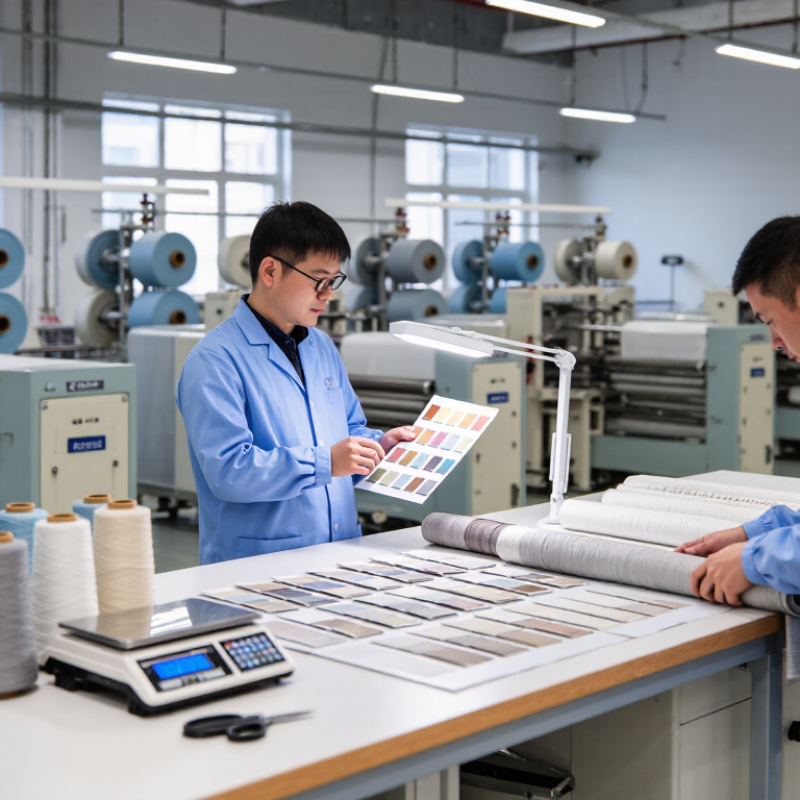
Before comparing suppliers, define where the fabric will be used and what it must do. An RPET fabric for a lightweight jacket needs different properties from one used for tote bags or upholstery. Record target weight in grams per square metre, usable width, weave or knit, color, hand feel, and finish. Note expected exposure to washing, sunlight, abrasion, or moisture. These details help suppliers recommend suitable constructions instead of quoting a generic option.
Tips: Request a sample and test it in the intended product. Check relevant results for colorfastness, pilling, tensile strength, or abrasion. Ask how recycled-content claims are documented, and confirm that test reports identify the fabric being offered.
Be specific about acceptable variation in shade, weight, and width, especially for repeat orders. If the fabric will be sewn, check how it behaves at seams and whether its stretch suits the pattern. Small details matter. A supplier’s sample may feel right, yet production fabric can differ slightly; compare approval samples with delivered batches. It is tempting to specify every feature, but overly narrow requirements can limit practical options. Separate essential performance needs from preferences, then discuss any trade-offs openly.
Verify Recycled Content, Traceability, and Material Certifications
How to Choose the Best RPET Fabric Supplier in 2026
Verify Recycled Content, Traceability, and Material Certifications
A supplier’s recycled-content claim should connect to a specific fabric lot, not just a sales sheet. Textile Exchange’s 2024 Materials Market Report estimates that global fiber production reached 124 million tonnes in 2023. That scale makes clear documentation essential. Ask for current scope certificates and transaction certificates, then check that the supplier, facility, material, and claimed percentage match your order. Standards such as GRS and RCS can support chain-of-custody claims, but confirm what each certificate actually covers. A certificate is useful, not conclusive. Request batch records and an explanation of how recycled feedstock is tracked through production.
Tips: Match the lot number on the invoice, certificate, and fabric labels. Ask whether the RPET comes from post-consumer bottles or textile waste, and request supporting records. Independent audits and material tests can add confidence, but a fiber test alone cannot prove recycled origin. If a supplier cannot explain a gap between documents, pause before approving the order. Even experienced buyers miss details here; checking every file can feel tedious, but it is worth doing.
Assess Supplier Capacity, Quality Controls, and Customization Options
Choosing an RPET fabric supplier in 2026 starts with evidence, not a polished capacity slide. Ask for monthly output by fabric type, current utilization, standard lead times, and backup plans for yarn or dyeing delays. Compare those figures with a realistic order, including peak-season volume. Capacity matters only when it holds.
Textile Exchange’s Materials Market Report 2024 estimates that recycled polyester made up about 12% of global polyester production in 2023. That makes traceability important. Request batch-level records, chain-of-custody documentation, and test results for composition, colorfastness, pilling, and tensile strength. Agree on test methods and pass limits before bulk production; a certificate alone may not describe the fabric in your hand. Ask whether the mill retains samples from each lot.
Customization should be specific: recycled yarn percentage, GSM, width, knit or weave, finish, shade range, and minimum order quantity. Request a lab dip and small trial roll, then inspect them under your intended lighting and sewing conditions. Small details matter. An attractive swatch can behave differently after washing or cutting. Confirm which changes require new tooling, added cost, or longer lead times. Leave room for imperfect first trials. They provide useful evidence before a large commitment.
How to Choose an RPET Fabric Supplier in 2026
Recycled-content certification thresholds are one useful quality-control check when comparing suppliers.
How to use this: The chart shows certification eligibility thresholds, not supplier performance scores. Also check production capacity and lead times, request relevant test and chain-of-custody documents, and confirm customization options such as color, yarn, weave, and minimum order quantity. Thresholds are based on Textile Exchange’s GRS and RCS requirements; confirm current requirements and product-claim rules directly with the standard owner.
Compare Fabric Performance, Pricing, Lead Times, and Minimum Orders
When comparing RPET fabric suppliers, request swatches from the same weight and construction range. Check the fabric under real use: stretch it, rub it against a rough surface, and inspect the color after washing. A smooth swatch can be misleading. Ask for test results covering abrasion, colorfastness, and tensile strength, plus clear documentation of recycled content. Compare production samples with bulk fabric when possible; small differences in shade or feel can matter across a full order.
Compare pricing by usable meter, not just the quoted unit price. Ask whether setup fees, testing, packaging, and freight are included. A lower quote may leave out costs—or reflect a different fabric specification. Check lead times for sampling, production, and delivery separately, and allow room for delays around busy seasons. Minimum orders can vary by color, finish, and fabric weight. Small orders cost more per meter. That is common. Still, ask whether a smaller trial run is possible before committing to several colors. Supplier estimates are not guarantees, so get dates and order terms in writing. A detail I might overlook is how much extra fabric defects could require.
Evaluate Communication, Sample Testing, and Ongoing Support
How to Choose the Best RPET Fabric Supplier in 2026
Evaluate Communication, Sample Testing, and Ongoing Support
A reliable RPET fabric supplier should answer specific questions clearly, not just promise consistent quality. Ask how they record fiber content, fabric weight, width, and color standards. Notice how quickly they respond when you request a revised quotation or a missing specification. Clear communication matters. Small delays can reveal how a supplier may handle a larger order. In my view, a polished sales conversation is useful, but it is not proof of dependable production.
Test samples under conditions close to your actual use. Check the fabric’s hand feel, stretch, color, and surface after washing or abrasion, where relevant. Compare the sample with its written specification, and keep a labeled swatch for later reference. One easily overlooked issue is shade variation between batches. A sample can look excellent under bright showroom lights, then appear different beside a finished garment. Ask what tolerances the supplier can maintain and how they document changes.
Tips: Share a simple test plan before ordering, including intended use and acceptable limits. Ask who will handle production questions, repeat orders, and quality concerns after delivery. Keep notes from each exchange; they help expose gaps, though they will not catch everything. A thoughtful supplier should welcome practical questions and explain what they can verify, rather than claiming every batch will be identical.