China Best Rpet Fabric Suppliers for Sustainable Fashion?
The fashion industry faces significant challenges today. Sustainability is a pressing issue, as brands seek eco-friendly materials. Rpet Fabric has emerged as a compelling solution. Made from recycled plastic bottles, Rpet Fabric reduces waste and conserves resources. China has numerous suppliers that specialize in this innovative material.
Sustainable fashion demands not only eco-friendly fabrics but also reliable manufacturers. Chinese suppliers are stepping up, showcasing expertise in textile production. Many companies focus on quality and environmental consciousness. They highlight their commitment to sustainable practices. This creates a brighter future for both fashion and the planet.
However, the search for the best Rpet Fabric suppliers can be overwhelming. The market is crowded, and not all suppliers meet high standards. It’s crucial to research and vet potential partners. Buyers must ensure these companies align with their sustainability goals, as not every claim is backed by accountability. This journey requires careful consideration and a willingness to learn.

China's Role in Sustainable Fashion: An Overview
China is emerging as a significant player in sustainable fashion. The textile industry here is vast, producing a wide range of materials, including RPET fabric. This fabric, made from recycled plastic bottles, aligns closely with eco-friendly fashion goals. It reduces waste and minimizes the carbon footprint associated with traditional fabrics. However, the production process still raises questions about environmental impact.
One challenge lies in the inconsistency of RPET quality. Not all suppliers adhere to the same standards. This variation can affect the final product's durability and feel. Buyers must be diligent in selecting suppliers who prioritize quality and sustainability.
Transparency in sourcing is essential for making informed choices. This means looking beyond price tags and considering the entire supply chain.
Moreover, there is a growing need for education within the industry. Many emerging designers are unaware of sustainable practices.
Workshops and collaborations could bridge this gap, promoting responsible choices. Despite advancements, the journey toward sustainability in fashion is ongoing. Awareness and continuous improvement are crucial for creating a more eco-conscious industry.
What is RPET Fabric and Its Importance in Fashion Industry?
RPET fabric, made from recycled plastic bottles, is gaining traction in the fashion industry. This material supports sustainability by reducing plastic waste. As eco-conscious consumers seek innovative solutions, RPET emerges as a vital alternative to conventional fabrics. Its durability and versatility cater to various clothing styles, making it an alluring choice for brands aiming for sustainable practices.
While the benefits are clear, transitioning to RPET can feel daunting for many brands. Sourcing high-quality RPET may involve navigating complex supply chains. Additionally, some may question the aesthetics and feel of this material. It's essential to remember that perception can be changed through thoughtful design and marketing. The industry is slowly realizing the potential of RPET, but it requires patience and consistent effort.
Tips for brands considering RPET: Engage with reliable suppliers and prioritize transparency in your sourcing process. Test different blends to find the right feel for your products. Educating consumers about RPET's benefits can also drive demand. Sharing stories behind the fabric enhances connection and trust in your brand. Embrace the journey and evaluate your impact regularly.
China Best Rpet Fabric Suppliers for Sustainable Fashion
| Supplier Type |
Production Capacity (tons/year) |
Main Products |
Sustainability Certifications |
Headquarters Location |
Years in Business |
| Manufacturer |
50,000 |
RPET Fabrics, Eco-friendly Textiles |
OEKO-TEX, GRS |
Shanghai |
15 |
| Distributor |
30,000 |
Recycled Polyester, Functional Fabrics |
ISO 14001, GRS |
Guangzhou |
10 |
| Exporter |
20,000 |
Fashion Fabrics, Sustainable Materials |
RCS, OEKO-TEX |
Shenzhen |
8 |
| Textile Innovator |
15,000 |
Smart Textiles, RPET Blends |
GRS, B Corp |
Hangzhou |
5 |
Top Suppliers of RPET Fabric in China: A Comprehensive List
The demand for sustainable fashion is rising globally. RPET fabric has emerged as a popular choice for eco-conscious brands. In China, various suppliers offer high-quality RPET options. According to industry reports, the global RPET market is expected to grow by 12% annually through 2025.
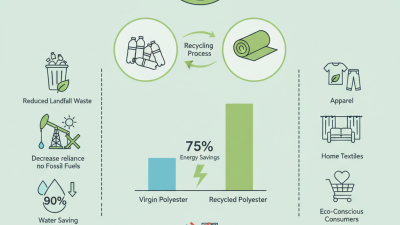
Top suppliers in China are focusing on innovation. They produce RPET from recycled plastics, reducing waste in the environment. Many factories utilize advanced technology to ensure the quality of their fabrics. A recent study noted that RPET can save up to 80% in energy consumption compared to virgin polyester. This statistic highlights the environmental benefits of using recycled materials in fashion.
However, challenges persist. The sourcing of post-consumer PET bottles is still inconsistent. Not all suppliers maintain strong ethical standards. Some factories face criticism for labor conditions and environmental practices. It's essential for brands to carefully vet suppliers to ensure alignment with their sustainability goals. Transparency in the supply chain is crucial for genuine commitment to sustainable fashion.
Evaluating Sustainability Practices of Chinese RPET Fabric Suppliers
The quest for sustainable fashion has led many brands to explore RPET (recycled PET) fabrics. In China, numerous suppliers are pushing the envelope on sustainability. However, evaluating their practices is essential for brands aiming to make conscious decisions.
Sustainable practices can vary significantly between suppliers. Some focus on using post-consumer waste, while others prioritize energy-efficient manufacturing processes. It’s crucial to look beyond marketing claims. Transparency in sourcing materials and production methods is key. One must ask: Are suppliers providing clear information about their recycling processes?
Certifications also play a role in assessing their credibility. Third-party certifications can help indicate compliance with environmental standards. However, it’s important to remain cautious. Not all certifications are created equal. Brands should keep an eye out for authenticity and relevance. Engaging with suppliers directly can offer insights into their sustainability practices. This dialogue often reveals the complexities behind their operations, encouraging ongoing improvement.
China Best RPET Fabric Suppliers for Sustainable Fashion
Future Trends in RPET Fabric Production and Sustainable Fashion
The future of RPET fabric production is driven by sustainability. Innovative techniques are emerging that enhance eco-friendly practices in fashion. More brands are opting for recycled PET as their primary fabric choice. This shift reduces plastic waste and lowers energy consumption. The market is ripe for improvement, yet challenges remain.
Recycling technology is advancing, but it is not without flaws. The process can be energy-intensive and costly. Some producers struggle with contamination in the recycled materials. These factors can affect the quality of the final products. Brands must prioritize sourcing from reputable suppliers to ensure reliability.
Consumer awareness is essential for a sustainable future. Educated choices can drive demand for high-quality RPET fabrics. However, not all consumers are aware of eco-friendly options. Addressing this gap is vital. Sustainable fashion is evolving, and so should our understanding of its complexities.