7 Tips for Choosing Yarn Dyed Fabric
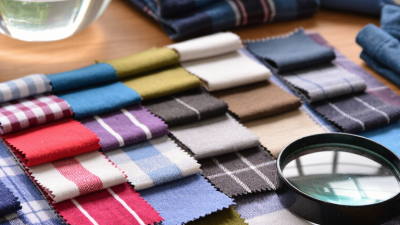
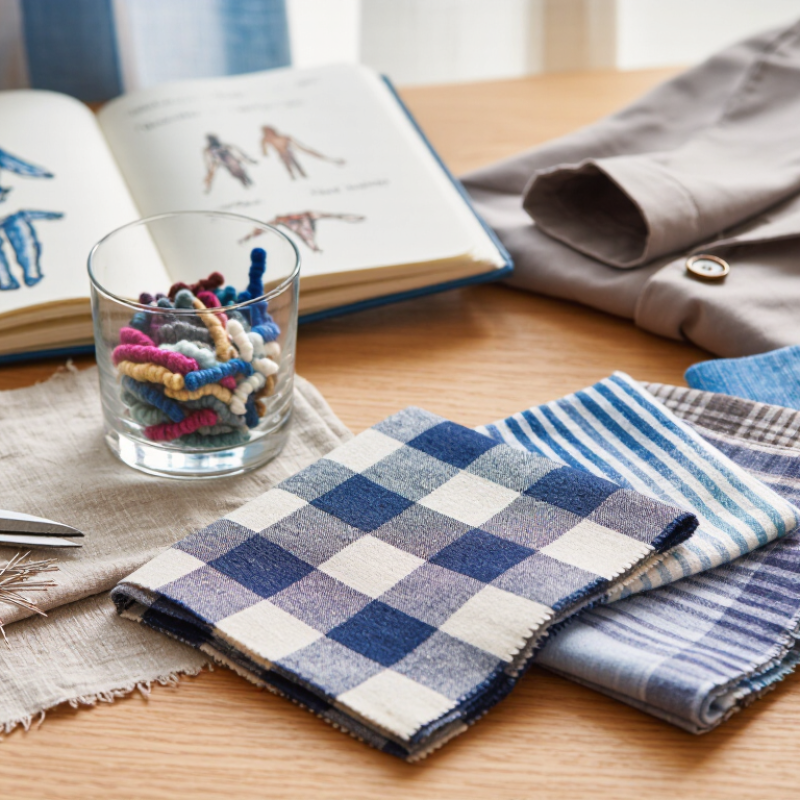
Choosing Yarn Dyed Fabric is about more than matching a color swatch. Because its yarns are colored before weaving, the pattern can show through on both sides, and small differences in yarn, weave, or finishing may affect the final look. A navy-and-cream check, for example, can appear crisp on a tightly woven shirt fabric but softer on a loose, textured weave.
Details matter. Check the fiber content, weave density, and fabric weight against the intended use. A lightweight cotton may suit a summer blouse, while a heavier blend may hold its shape better for cushions or jackets. Ask for a physical swatch when possible. Screen colors can mislead. Examine it in daylight and indoor lighting, and feel how it drapes, folds, and recovers after handling.
Care deserves a close look, too. Some fabrics may shrink, fade, or change texture after washing, depending on their fibers and finishing. Follow the supplier’s care guidance, and test a small sample before cutting a full garment. That step takes time, but skipping it can be costly. It is easy to focus on a beautiful pattern and overlook practical limits. These seven tips will help you compare options with clearer criteria, ask suppliers more useful questions, and choose Yarn Dyed Fabric that fits both your design and everyday needs. A swatch is not the whole story, but it is a sensible place to start.
Understand How Yarn-Dyed Fabric Is Made
7 Tips for Choosing Yarn Dyed Fabric
Understand How Yarn-Dyed Fabric Is Made
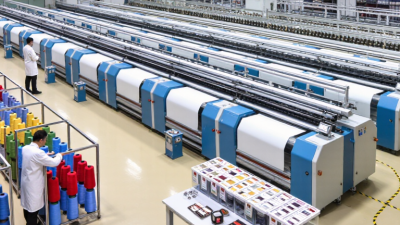
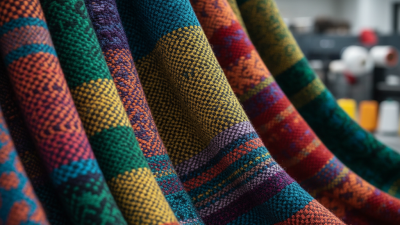
Yarn-dyed fabric gets its color before weaving or knitting begins. The yarn is dyed first, then arranged into a pattern or solid cloth. This differs from piece-dyed fabric, which receives color after it has been formed. You can often see the difference in a checked shirt: colored threads cross at the seams, and the pattern appears on both sides. Small variations may occur between batches, so request a swatch before ordering a large quantity.
Tip: Check the reverse side. A yarn-dyed pattern usually remains visible there, though it may look less crisp. Ask how the yarn was colored and whether the fabric has been washed or finished. These steps can affect softness, shrinkage, and how well the color holds up. For a practical test, dampen a small swatch and press it against white cloth. It is not a full colorfastness test, but it may reveal loose dye.
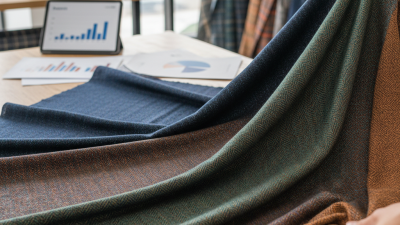
When choosing fabric, match the weave and yarn to its intended use. A tightly woven cotton can suit shirts, while a lighter blend may drape better for curtains. Look closely at the pattern alignment and thread density under good light. If the colors seem slightly uneven, that may be part of the fabric’s character—or a quality concern. I would not judge from a photo alone. Compare samples, check care instructions, and consider how the cloth feels after washing.
Match the Fabric to Its Intended Use
Yarn-dyed fabric should be chosen for the job it must do, not just the color on a swatch. For shirts worn often, inspect the cloth after rubbing and laundering; a crisp check can soften, while a loose weave may distort at seams. Ask for the fiber content, fabric weight, and care instructions. Then test a sample in the conditions it will face. A kitchen towel needs absorbency and repeated-wash resilience. A lightweight blouse needs drape and comfortable contact with skin. Small details matter.
For upholstery or bags, prioritize abrasion resistance, seam strength, and a weave that holds its shape. Request test results relevant to the finished product, such as colorfastness to washing or rubbing. The Textile Exchange Materials Market Report 2024 estimates that global fiber production reached 124 million tonnes in 2023. That scale makes material selection consequential, but the report does not identify one fiber as best for every use. Match fiber and construction to actual wear. Be cautious with a sample that looks perfect under showroom lights; home lighting can shift its appearance. I still find this easy to overlook. Ask whether the supplied fabric will match the tested sample, and confirm the intended care routine before ordering.
Evaluate Color, Pattern, and Weave Quality
COLOR & DYE
Color is the first thing you notice, but check it in daylight as well as under store lighting. Artificial lights can make navy look almost black or turn a soft cream yellow. Rub a small area with a clean, damp white cloth to check for loose dye, especially if the fabric will be washed often. A slight color shift can happen, so test a sample before cutting.
PATTERN & ALIGNMENT
Look closely at the pattern. Yarn-dyed checks and stripes are formed by colored threads, so their alignment should remain visible on both sides. The lines may not match perfectly at every edge, particularly in textured cloth, but large distortions can signal uneven tension. Hold the fabric up to a window. You’ll see skipped threads more easily.
WEAVE, FEEL & TESTING
Weave affects both appearance and use. Run your fingers across the surface: a firm, even weave usually feels stable, while loose spots may snag or stretch. Check the selvedge and a cut edge for fraying. For a shirt, a lighter plain weave may drape comfortably; upholstery needs a denser structure. I once judged a fabric by its neat stripes alone and missed how easily it wrinkled. That mattered. Test a swatch by folding it, washing it as directed, and checking how the colors and texture change.
Check Durability, Comfort, and Care Requirements
Yarn-dyed fabric gets its color before weaving, but that alone does not guarantee lasting color or strong cloth. Check the specification, then inspect a sample in daylight. Rub a pale cloth against it; loose dye may show up quickly. Ask for colorfastness results after washing and rubbing, such as tests based on ISO 105-C06 and ISO 105-X12. For abrasion, Martindale testing under ISO 12947 can help compare samples. Match the test level to the garment: a soft blouse and a hard-wearing work shirt need different performance. Numbers help, but they do not tell the whole story.
Comfort is tactile. Press the fabric against your wrist, bend it, and notice whether it feels scratchy, stiff, or clammy. Check fiber content, fabric weight, and construction, since yarn-dyed cotton, linen, and blends behave differently. Care labels matter, too. A fabric that needs cold washing, gentle handling, or line drying may not suit a busy household. WRAP’s Valuing Our Clothes report estimates that extending clothing life by nine months can cut its carbon, water, and waste footprints by 20–30 percent. That is a useful reason to choose care requirements you can realistically follow. I still find a sample can feel softer after washing, or rougher than expected. Test it. And keep the care notes with the sample.
Care requirements: read the label before choosing. Common wash-care symbols specify maximum temperatures such as 30°C, 40°C, 50°C, 60°C, 70°C, or 95°C. These are symbol settings, not recommended temperatures for every yarn-dyed fabric. Fiber content, dye, and finishing affect care, so follow the fabric’s care label.
Compare Suppliers, Certifications, and Pricing
When comparing suppliers of yarn-dyed fabric, send each one the same specification. Include fiber content, yarn count, weave, width, color references, and expected order volume. Otherwise, a low quote may cover a lighter fabric or a different finish. Ask for a current sample, then check it in daylight and under your usual store lighting. Small differences matter.
Request documentation for relevant quality or environmental certifications, and confirm which facility and product scope each document covers. Check issue dates and certificate numbers with the issuing organization when possible. A certificate alone does not guarantee consistent color or workmanship. Ask how the supplier controls shade variation between production lots, and whether inspection records are available. These details make comparisons more useful than a polished sales sheet.
Compare the full landed cost, not just the price per meter. Include sampling fees, minimum order quantities, packaging, freight, and any inspection charges. Ask for lead times in writing and clarify what happens if a shipment misses the agreed shade range. One detail I would not overlook: a slightly higher quote may include better lot tracking. I have also seen a cheap sample create false confidence; bulk production can expose uneven stripes or color shifts. Request a production swatch before committing to a large order.