Leave Your Message
Choosing a reliable Yarn Dyed Fabric supplier in China requires more than comparing catalog photos. Buyers must examine fiber quality, yarn preparation, dye uniformity, weaving control, and finishing performance. A bright sample can still hide weak colorfastness or uneven shrinkage.
Textile technologist Dr. Subhash K. Batra offers a useful reminder: “Quality begins with consistent materials and controlled processing.” This principle matters in yarn-dyed production. The yarn receives color before weaving, so mistakes may appear across the entire fabric structure. Suppliers should provide test reports for colorfastness, fabric weight, shrinkage, pilling, and tensile strength. Factory visits can reveal details that websites often omit. Look for clean winding areas, organized dyeing records, calibrated testing equipment, and stable production lines.
This guide reviews leading Chinese suppliers through practical purchasing criteria. It considers product range, customization ability, certifications, export experience, minimum order quantities, and communication quality. Some manufacturers may offer attractive prices but lack reliable after-sales support. Others may produce excellent fabric yet require larger orders than smaller brands can manage.
The ranking is not absolute. Market conditions change, and supplier performance can vary between seasons. Even experienced buyers can overlook a small process failure. That is why independent testing and sample approval remain essential. The best Yarn Dyed Fabric supplier is not always the largest factory. It is the partner that delivers consistent fabric, clear documentation, and honest communication from sampling to shipment.
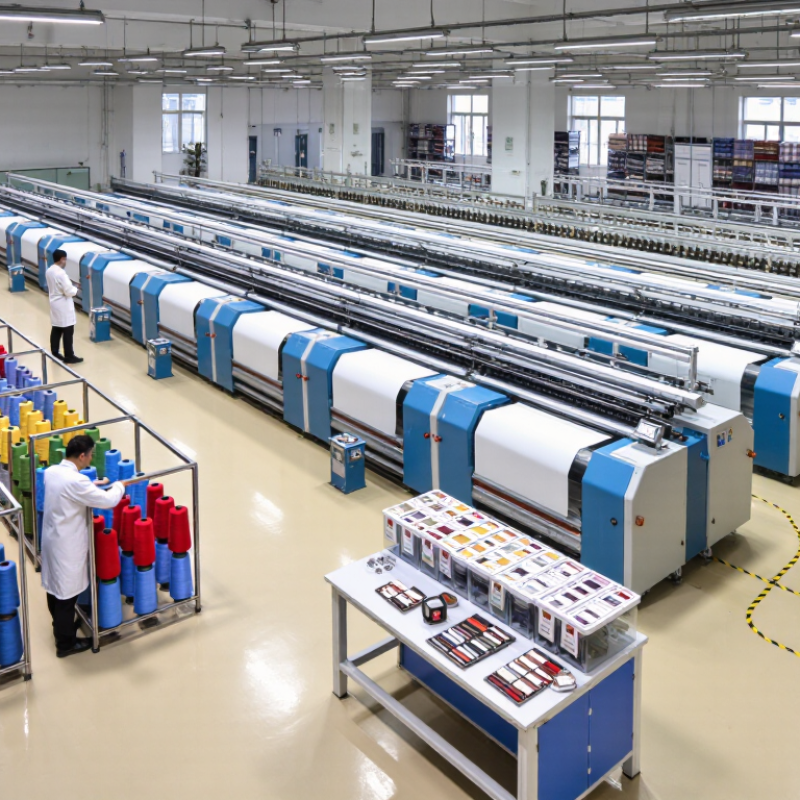
Yarn dyed fabric is made by coloring the yarn before weaving or knitting. This process creates durable checks, stripes, and heathered effects. The color sits within the fabric structure, not only on its surface. That difference matters for shirts, uniforms, home textiles, and frequently washed products. Textile Exchange’s 2024 Materials Market Report estimates global fiber production reached 124 million tonnes in 2023. It may reach 160 million tonnes by 2030. Larger volumes increase sourcing pressure, making supplier control more important.
A capable Chinese supplier should show yarn lot records, shade standards, and repeatable production data. Ask for pre-production samples, not only attractive showroom swatches. Check colorfastness, shrinkage, fabric weight, skew, and seam performance. ISO 105 test methods can support colorfastness evaluation, while laboratory reports should identify test conditions clearly. The supplier should also explain fiber origin, dyeing processes, wastewater controls, and corrective actions. Vague answers are warning signs.
Look beyond price. A cheaper offer may reflect weaker inspection or unstable yarn sourcing. The International Textile Manufacturers Federation has repeatedly identified cost pressure and supply-chain uncertainty as major industry concerns in its global surveys. That context makes communication speed and documented quality systems commercially relevant. Yet selection is not perfectly scientific. A supplier may pass laboratory tests but miss a subtle stripe alignment issue in bulk production. Independent inspection remains worthwhile, especially for complex patterns, urgent orders, and repeated seasonal colors.
| Data Dimension | Verified Industry Information | Why It Matters When Selecting a Supplier | Evidence to Request |
|---|---|---|---|
| Definition of Yarn-Dyed Fabric | The yarn is colored before weaving or knitting, rather than coloring the completed fabric. | The process supports checks, stripes, plaids, mélange effects, and other patterns that are formed during fabric construction. | Fiber-content declaration, yarn-dyeing process description, and a production sample. |
| Color Consistency | Yarn-dyed fabrics require control of shade differences between yarn lots, cones, beams, and finished rolls. | Inconsistent yarn shades can distort checks, stripes, or woven patterns and create visible panel-to-panel variation. | Approved lab dips, shade bands, lot-control records, and a stated tolerance for shade variation. |
| Colorfastness Testing | Common performance checks include colorfastness to washing, rubbing, light, and perspiration. ISO 105 contains internationally used textile colorfastness methods. | The required rating depends on the end use, washing conditions, fiber type, dye class, and destination market. | Independent laboratory report showing the test method, rating, sample identification, and test date. |
| Dimensional Stability | Shrinkage and skew can result from fiber type, yarn tension, weaving or knitting conditions, washing, and finishing. | Poor dimensional control may affect garment measurements, pattern matching, seam alignment, and repeat orders. | Pre-wash and post-wash measurements, dimensional-stability report, and the agreed washing procedure. |
| Fabric Construction | Construction is defined by factors such as weave or knit structure, yarn count, density, weight, width, and finishing. | Two fabrics with the same fiber composition can have very different appearance, handle, strength, and cost. | Technical specification sheet stating composition, yarn count, width, GSM, construction, finish, and tolerances. |
| Fiber Composition Verification | Fiber composition should be verified through an appropriate textile laboratory method, such as the ISO 1833 series for quantitative chemical analysis. | Accurate composition is important for labeling, customs documentation, product performance, and regulatory compliance. | Third-party composition test, raw-material declaration, and batch traceability records. |
| Chemical Compliance | Chemical requirements vary by destination. European shipments may need to address REACH restrictions, while other markets may apply different product-safety rules. | A supplier suitable for one market may not automatically meet another market’s restricted-substance or labeling requirements. | Current restricted-substance test report, chemical-management policy, and destination-specific compliance declaration. |
| Sourcing Regions in China | Zhejiang and Jiangsu are widely recognized textile-manufacturing areas. Shaoxing is associated with broad fabric-processing and textile-trading activity, while Nantong is strongly associated with home-textile production. | Regional specialization can affect access to weaving, dyeing, finishing, testing, logistics, and supporting suppliers. | Factory address, production-site photos or video verification, business license, and confirmation of outsourced processes. |
| Production Capability | Capability depends on the supplier’s actual looms or knitting machines, dyeing equipment, finishing lines, inspection systems, and subcontracting arrangements. | A trading office and a vertically integrated mill may offer different levels of control over quality, scheduling, and traceability. | Equipment list, monthly capacity by fabric type, process flowchart, and identification of all subcontracted operations. |
| Minimum Order Quantity | Minimum order quantities vary according to yarn count, color count, fabric width, dyeing batch, finishing requirements, and whether the fabric is standard or customized. | A low quoted MOQ may not apply to multiple colors, complex patterns, special finishes, or customized yarns. | Written MOQ by construction and color, sample-order policy, setup charges, and over- or under-shipment tolerance. |
| Lead Time Control | Actual lead time is influenced by yarn availability, dyeing queues, loom scheduling, finishing, laboratory approval, inspection, and export documentation. | A clear production schedule reduces the risk of missed seasonal launches and delayed garment production. | Milestone schedule from approval to shipment, production-capacity confirmation, and written delay-escalation procedure. |
| Inspection and Quality Control | Fabric inspection commonly reviews defects, width, weight, shade, construction, roll length, and finishing performance. | A documented inspection system makes quality decisions more consistent than visual approval alone. | Inspection standard, defect classification, inspection records, roll maps, and pre-shipment approval procedure. |
| Traceability | Traceability should connect raw yarn, dye lot, production date, machine, finishing batch, inspection result, and shipment roll. | Traceable records help isolate defects and support consistent replenishment orders. | Batch numbering format, roll labels, production records, and retention period for quality documents. |
| Sample Approval | Yarn-dyed patterns should be approved for color arrangement, repeat size, yarn appearance, hand feel, width, and finished weight. | A complete approval standard prevents disputes caused by comparing only a small swatch with bulk fabric. | Signed specification, approved counter-sample, pattern repeat diagram, and sealed reference standard. |
| Sustainability Documentation | Relevant information may include fiber origin, water and energy management, wastewater treatment, recycled-material claims, and third-party certification where applicable. | Environmental claims should be supported by verifiable scope, certificate validity, transaction records, or laboratory evidence. | Valid certificates, audit scope, chain-of-custody documents, wastewater records, and material-content evidence. |
| Commercial Evaluation | The lowest fabric price does not necessarily represent the lowest total cost because testing, defects, rework, freight, claims, and delayed production also affect sourcing cost. | A balanced evaluation should compare quality, reliability, documentation, communication, capacity, and total landed cost. | Itemized quotation, payment terms, Incoterms, defect-claim policy, replacement terms, and reference-order performance records. |